
Breast Reconstruction Guide 2024: Essential Insights
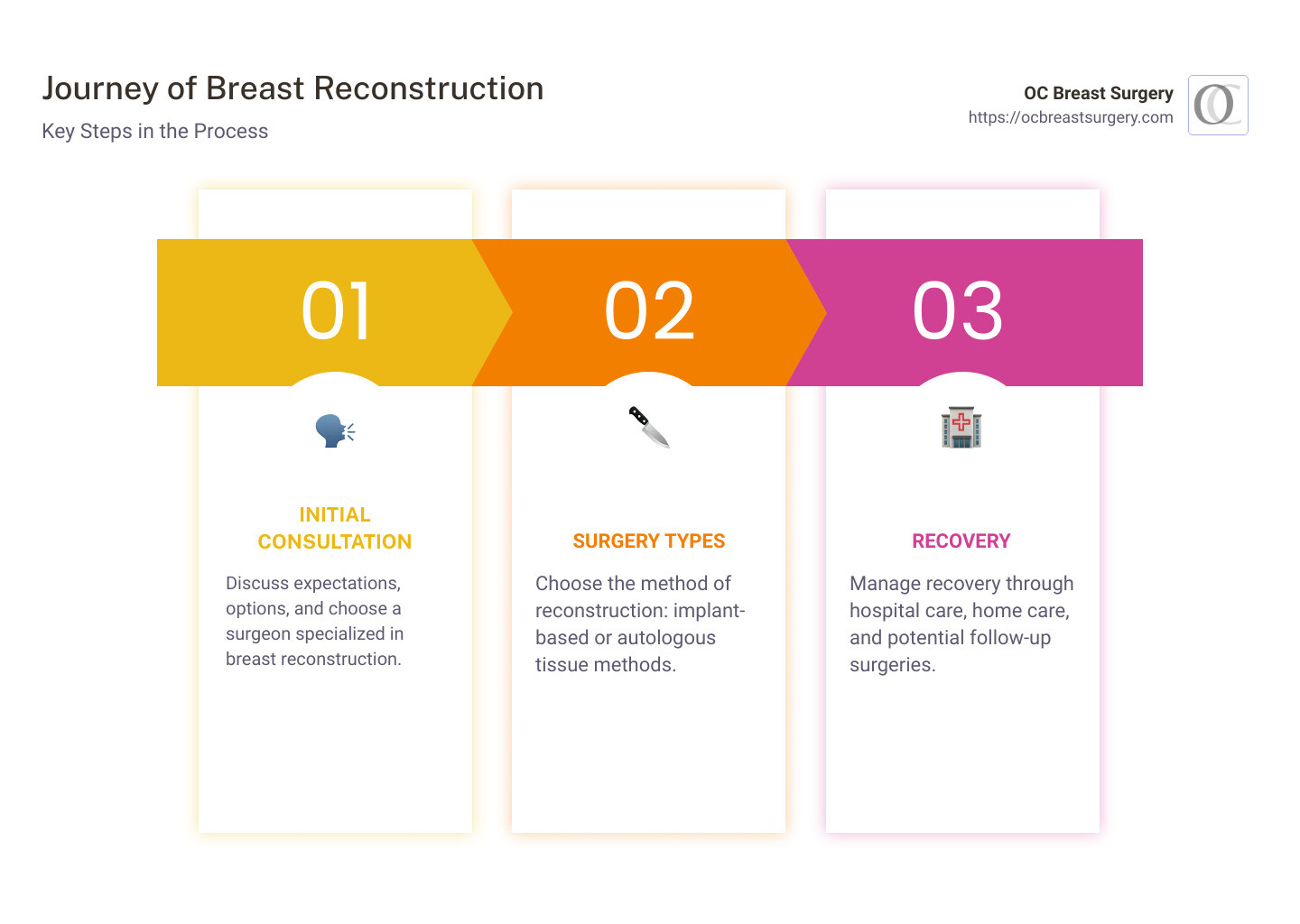
Breast reconstruction is a transformative journey for many women following mastectomy due to breast cancer. This surgical process aims to restore the breast’s appearance, creating a natural look and helping to heal emotional wounds tied to the loss. For anyone quickly seeking to understand what to expect, breast reconstruction typically involves consultation, choosing the right type of reconstruction, the surgery itself, and a recovery period with possible follow-ups for cosmetic adjustments.
Breast reconstruction after mastectomy can significantly alleviate the emotional and psychological distress associated with breast loss. Whether opting for implant-based reconstruction or using your own tissue, the goal is to provide results that feel authentic and boost self-esteem.
- Initial Consultation: Discuss expectations and options.
- Surgery Types: Choose from implants or autologous tissue methods.
- Recovery: Includes hospital stay and home recovery.
- Long-term Care: Possible follow-up surgeries and ongoing examinations.
The process is not just about physical restoration but also emotional recovery, helping women reclaim their body image and sense of normalcy.
Types of Breast Reconstruction
When it comes to breast reconstruction, there are primarily two methods to consider: Implant-based reconstruction and Flap reconstruction. Each type offers different approaches and benefits, depending on your medical history, body type, and personal preferences.
Implant-based Reconstruction
Implant-based reconstruction is one of the most common methods used worldwide. It involves placing a breast implant under the skin or muscle to recreate the breast mound. Here’s what you should know about this method:

- Procedure: This can be done as a one-stage or two-stage process. In a one-stage reconstruction, a permanent implant is placed during the initial surgery. In a two-stage reconstruction, a tissue expander is first inserted to stretch the skin and is later replaced with a permanent implant.
- Advantages: This method is generally quicker and involves less surgery than flap reconstruction. It’s often chosen by women who do not have enough extra tissue in other areas of their body to use for the reconstruction.
- Considerations: The look and feel might not be as natural as with flap reconstruction, and there’s a risk of complications such as implant rupture or capsular contracture.
Flap Reconstruction
Flap reconstruction, also known as autologous tissue reconstruction, involves using tissue from another part of your body to form a new breast. There are several types of flap surgeries:
- DIEP Flap: Uses skin, fat, and blood vessels from your abdomen, but no muscle, making recovery easier and preserving abdominal strength.
- TRAM Flap: Involves skin, fat, and muscle from the lower abdomen. It can be either free (detached and reattached by microsurgery) or pedicled (left attached to the original blood supply and tunneled up to the chest).
- Latissimus Dorsi Flap: Utilizes muscle, skin, and fat from the upper back. This flap is tunneled to the breast area to create a new breast mound.
Other Options: TUG, IGAP, SGAP, and PAP flaps use tissue from areas like the thighs or buttocks, suitable for women who might not have enough abdominal tissue or prefer not to use it.
Advantages: Flap reconstruction can achieve a more natural look and feel compared to implants. It uses your own body tissues, which may better match your body dynamics over time.
- Considerations: These surgeries are more complex and involve a longer recovery period. There’s also a risk of partial or complete flap loss, and additional scarring at the donor site.
Choosing the Right Type for You
Deciding on the type of breast reconstruction involves discussing various factors with your surgeon, such as your health, lifestyle, and aesthetic goals. Here are a few steps to guide you through this decision:
- Consult a Specialist: At OC Breast Surgery, our experts can guide you through the options and help tailor a plan that suits your medical needs and personal preferences.
- Consider Your Lifestyle: Factors like your activity level, the presence of sufficient donor tissue, and your personal recovery time availability should influence your choice.
- Think About the Future: Consider how each option might affect future health screenings, your physical comfort, and the possibility of needing revision surgeries.
By understanding the different types of breast reconstruction available, you can make a more informed decision that aligns with your health needs and personal desires. Each method has its own set of benefits and considerations, and the right choice depends on your unique situation.
Preparing for Surgery
Preparing for breast reconstruction surgery involves several critical steps to ensure the best outcomes and your peace of mind. Here’s what you need to know about consultation, medical evaluation, and selecting the right surgeon.
Consultation
Your journey begins with a consultation. This is a time for open dialogue between you and your surgeon. During the consultation:
- Discuss Your Goals: Clearly express what you hope to achieve with breast reconstruction. Whether it’s symmetry, size, or shape, your goals should guide the surgical plan.
- Review Your Medical History: Your surgeon will need to understand your medical history, including previous surgeries and any medications you’re taking.
- Ask Questions: Utilize resources like the Susan G. Komen’s Questions to Ask Your Doctor About Breast Reconstruction. This can help guide your discussion and ensure you cover all necessary topics.
Medical Evaluation
Before surgery, a thorough medical evaluation is essential. This typically includes:
- Physical Exam: Assessing your general health status and the condition of your breast tissue.
- Lab Tests: Blood tests and other screenings to ensure you’re fit for surgery.
- Imaging Tests: Mammograms or MRIs may be needed to plan the surgery or monitor your breast health.
Choosing a Surgeon
Selecting the right surgeon is crucial. Here are some tips for choosing a surgeon who’s right for you:
- Check Credentials: Ensure your surgeon is board-certified in plastic surgery and has experience specifically in breast reconstruction.
- Review Before and After Photos: Seeing real results helps set realistic expectations and assess the surgeon’s skill.
- Consider Communication: Choose a surgeon who listens to you, understands your goals, and explains things clearly.
- Get a Second Opinion: If you’re uncertain, a second opinion can provide additional perspective and reassurance.
Preparing for breast reconstruction involves thoughtful consideration and careful planning. By taking these steps, you can feel confident as you move forward with your reconstructive journey. As you prepare, each step is a move towards restoring not just your physical appearance, but also enhancing your overall well-being and confidence.
The Surgery Process
Anesthesia
During breast reconstruction surgery, you will be under anesthesia, which means you will be asleep and won’t feel pain during the procedure. The type of anesthesia used can vary, but generally, general anesthesia is administered. This ensures you are completely unconscious and comfortable throughout the surgery.
Incision Types
The incisions made during breast reconstruction depend on the type of surgery you choose:
- Implant Reconstruction: Typically involves an incision either under the breast, around the areola, or in the armpit.
- Flap Reconstruction: Incisions depend on the donor site, such as the abdomen, back, or thigh.
Surgeons aim to place incisions in less visible areas to minimize visible scarring.
Tissue Expansion
If you opt for implant-based reconstruction but lack sufficient skin to cover an implant, a process called tissue expansion may be necessary. Here’s how it works:
– A tissue expander (a temporary device) is placed under the skin near the breast area.
– Over several weeks or months, this expander is gradually filled with saline in your doctor’s office, slowly stretching the skin.
– Once the skin has stretched enough, a second surgery replaces the expander with a permanent implant.
Each of these steps in the surgery process is crucial for achieving the best possible outcome in breast reconstruction. By understanding what to expect, you can prepare better for the journey ahead and discuss any concerns with your surgeon before the procedure. This ensures a smoother transition to the next phase of recovery and aftercare.
Recovery and Aftercare
After undergoing breast reconstruction, the journey towards healing and regaining normalcy begins. This phase is crucial and involves several key steps: hospital stay, home care, pain management, and physical therapy.
Hospital Stay
Most patients will stay in the hospital for 1 to 3 days post-surgery, depending on the complexity of the procedure and individual recovery speed. During this time, medical staff will monitor your health, manage pain, and ensure that no complications arise. Your surgeon and nursing team will also begin educating you on how to care for your drains, if they were placed, which prevent fluid buildup at the surgery sites.
Home Care
Once you return home, it’s important to have a comfortable recovery area set up. This includes having your medications, gauze, and other supplies within easy reach. You will need to rest and avoid any strenuous activities that could affect the healing process. It’s also crucial to follow your surgeon’s instructions on how to care for your surgical site and drains. Proper hygiene and care can significantly reduce the risk of infection.
Pain Management
Pain and discomfort are common after breast reconstruction, but they can be managed effectively with medications prescribed by your surgeon. Over-the-counter pain relievers may also be recommended. It’s important to communicate with your healthcare provider about your pain levels so they can adjust your pain management plan as needed.
Physical Therapy
Physical therapy is often recommended to help restore movement and strength to the affected areas. A physical therapist will guide you through exercises tailored to your specific needs. These exercises help improve circulation, reduce swelling, and prevent the formation of scar tissue, which can improve your overall recovery and outcomes.
Each step in this aftercare phase is designed to support your healing and return to normal activities. Always keep in close communication with your healthcare team, and never hesitate to reach out if you have concerns about your recovery. The goal is not just to heal physically but to ensure your comfort and well-being throughout the recovery process.
Potential Complications and How to Handle Them
Breast reconstruction is a significant procedure, and like any major surgery, it comes with potential risks and complications. Understanding these risks and knowing how to address them can make your recovery smoother and more comfortable.
Infection
Risk: Infections are a common complication following any surgery, including breast reconstruction. They can occur around the incision site or, less commonly, within the reconstructed breast.
Prevention and Management:
– Keep the surgical area clean and dry.
– Follow your surgeon’s instructions on how to care for the wound.
– Report any signs of infection to your doctor immediately. These include increased redness, swelling, warmth, or pus.
Implant Issues
Risk: For those opting for implant-based reconstruction, complications might include implant rupture, leakage, or capsular contracture (where scar tissue forms around the implant, causing it to feel firm).
Prevention and Management:
– Regular follow-up visits are essential to monitor the condition of implants.
– MRI scans may be recommended every few years to check for silent ruptures in silicone implants.
– If you notice changes in the shape, feel, or symmetry of your implants, consult your surgeon.
Flap Failure
Risk: Flap reconstruction uses your own tissue to form a new breast mound. There’s a risk that the transplanted tissue does not receive enough blood flow and doesn’t survive.
Prevention and Management:
– Flap failure requires immediate medical attention. Symptoms include severe pain, discoloration, or coolness in the flap area.
– Surgeons monitor the flap during and after surgery to ensure it has a sufficient blood supply.
– Smoking and certain health conditions can increase the risk of flap failure, so it’s important to disclose your full medical history to your surgeon.
Sensation Loss
Risk: Loss of sensation in the breast or nipple area is common after breast reconstruction. Nerves may be cut or damaged during surgery, affecting sensory function.
Management:
– Sensation might partially return over time as nerves regenerate, although it may not be complete.
– Discuss realistic expectations with your surgeon regarding sensory changes post-surgery.
Each complication has its specific signs and recommended actions, so it’s crucial to stay informed and in touch with your healthcare provider. Regular check-ups and adherence to post-surgical care instructions significantly contribute to successful outcomes. If you experience any unusual symptoms, contact your surgeon immediately for advice and treatment.
In the next section, we will address some frequently asked questions about breast reconstruction to help you understand more about what to expect from this procedure.
Frequently Asked Questions about Breast Reconstruction
When considering breast reconstruction, you likely have many questions about safety, the nature of the surgery, and the best methods available. Here’s a straightforward look at some common queries:
What are the safest options for breast reconstruction?
The safest option for breast reconstruction often depends on your medical history, body type, and personal preferences. Generally, both implant-based and autologous (using your own tissue) reconstructions are considered safe. However, each has different considerations:
- Implants are typically less invasive, with a shorter surgery and recovery time. They do not require surgery at a donor site on the body, which can mean fewer complications.
- Autologous tissue reconstruction, while more invasive and involving a longer recovery, eliminates the risk of implant-related complications such as capsular contracture or implant rupture.
It’s important to discuss with your surgeon the specific risks associated with each type based on your individual health.
Is breast reconstruction considered major surgery?
Yes, breast reconstruction is considered major surgery. Whether you choose implant-based reconstruction or flap (autologous tissue) reconstruction, these procedures involve significant changes to your body and require general anesthesia. Key points include:
- Hospital stay: Depending on the complexity, you might stay in the hospital from one to several nights.
- Multiple surgeries: Especially in flap reconstructions or staged implant surgeries, you may need several surgeries spread out over months to complete the reconstruction.
- Recovery time: Recovery can vary widely but generally involves several weeks of reduced activity to allow healing.
What is the best method for breast reconstruction?
The “best” method depends greatly on your specific circumstances, but here are some considerations:
- Silicone implants are popular for their natural feel and are often preferred by many surgeons for creating a symmetrical appearance post-mastectomy.
- Autologous reconstructions are praised for their natural results and the absence of foreign materials, which some patients prefer.
The best approach is the one that aligns with your medical needs, aesthetic goals, and lifestyle. It’s beneficial to discuss extensively with your surgeon, who can guide you based on their experience and your medical history.
Choosing the right type of breast reconstruction and understanding the implications of the surgery can help you prepare mentally and physically for the journey ahead. In the upcoming sections, we will explore more about how breast reconstruction can impact self-confidence and body image, highlighting the supportive environment at OC Breast Surgery.
Conclusion
Undergoing breast reconstruction is not just about physical restoration but also a significant step towards emotional healing and reclaiming one’s body image. At OC Breast Surgery, we understand that the decision to proceed with breast reconstruction is deeply personal and impactful. We are committed to supporting you through every step of this transformative journey.
Self-confidence and body image are profoundly intertwined with our sense of identity. It’s common for individuals who have undergone mastectomy to feel a sense of loss that extends beyond the physical. Breast reconstruction serves as a powerful means of restoration, not only physically but also emotionally. It can profoundly affect how you view yourself and interact with the world.
At OC Breast Surgery, our goal is to help restore not only your natural appearance but also boost your self-esteem. We strive to ensure that each patient feels heard, respected, and cared for. Our team of skilled surgeons is dedicated to creating results that are not only aesthetically pleasing but also feel authentic to you.
We are here to help you regain confidence and feel like yourself again. With state-of-the-art technology and a compassionate approach, we ensure that you receive the highest quality care and achieve the best possible outcomes.
For more information on how we can support you through your breast reconstruction journey, please visit our dedicated service page here.
Reclaiming your body and self-image is a courageous step towards healing. At OC Breast Surgery, we are privileged to be a part of your journey to recovery and renewed self-confidence.