
Top 5 Essential Breast Reduction Requirements Weight in 2023
Understanding breast reduction requirements weight is crucial for anyone considering this surgery. The primary factors include your Body Mass Index (BMI), the weight of breast tissue you wish to have removed, and specific insurance company criteria for coverage. In summary:
- BMI: Often, a BMI under 30 is preferred.
- Weight of Breast Tissue Removed: There’s frequently a minimum amount required by insurance for coverage, typically at least 500 grams per breast.
- Insurance Requirements: These can vary, but generally include documentation of related health issues and proof that other remedies have been ineffective.
Breast reduction surgery offers a promising possibility for women burdened with the physical and emotional discomfort of large breasts. Whether it’s back pain, difficulty finding clothes, or social self-consciousness, reducing breast size can lead to significant life improvements. However, navigating the sea of requirements—from medical necessity to insurance stipulations—can feel daunting.
That’s why we’re here to break down the information into digestible bits, helping you understand the essential criteria and prepare you for discussions with your healthcare provider or insurance.
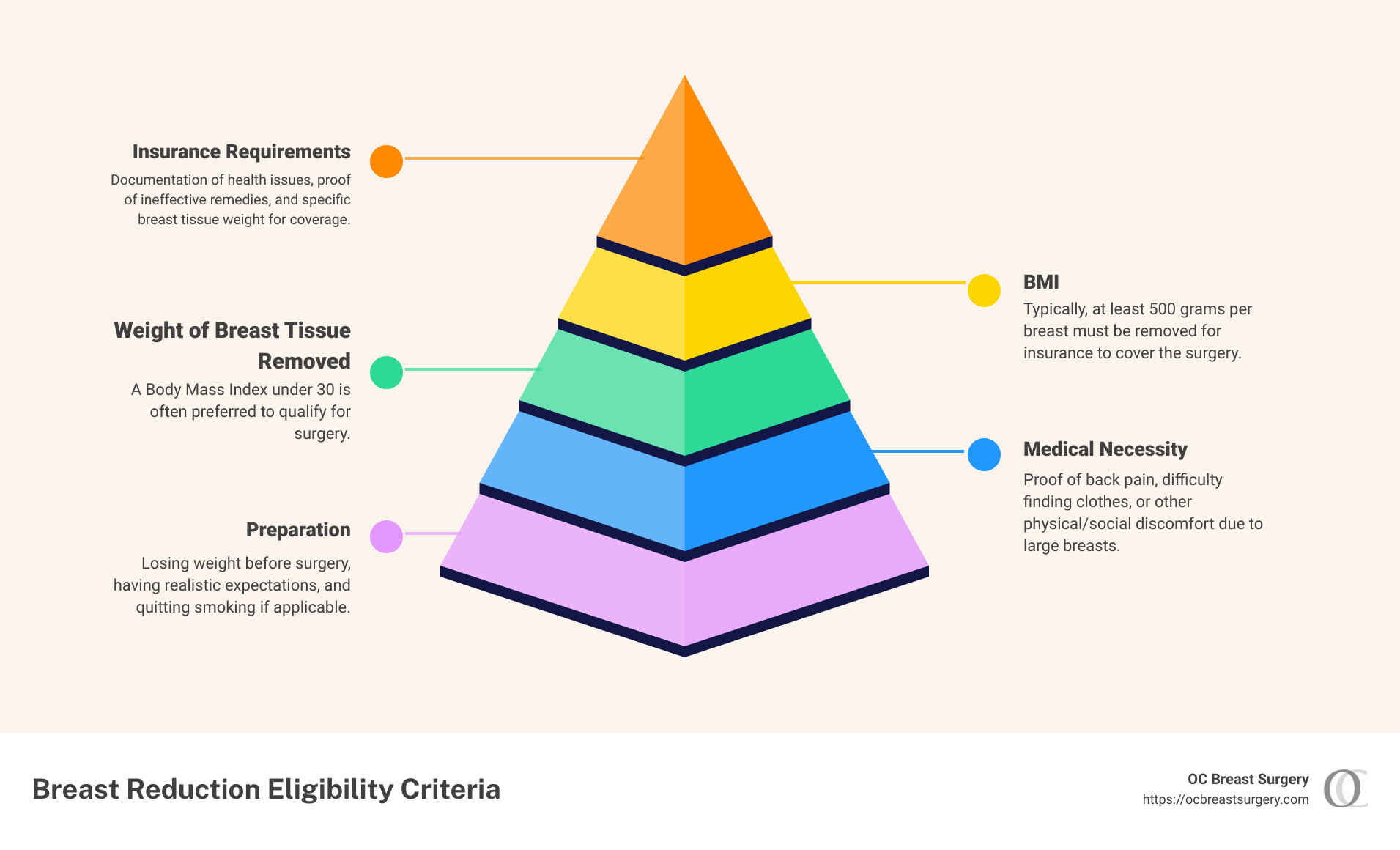
Understanding Breast Reduction Requirements Weight
When you’re considering breast reduction surgery, understanding the requirements related to weight is crucial. This includes knowing about BMI (Body Mass Index), insurance criteria, and the weight of breast tissue to be removed. Let’s dive into each of these areas to help make things clearer.
BMI (Body Mass Index)
BMI is a key factor in determining eligibility for breast reduction surgery. It’s a measure that considers your height and weight to estimate body fat. Most insurance companies and healthcare providers look at your BMI to decide if surgery is a suitable option for you. Generally, a BMI below 30 is preferred, but this can vary based on individual circumstances and insurance policies.
Insurance Criteria
Insurance companies have specific criteria to classify breast reduction surgery as medically necessary, which often includes a minimum amount of breast tissue that must be removed. This is measured in grams and varies by insurance provider. Some insurers require the removal of at least 450 to 550 grams of breast tissue for the procedure to be covered. They also want to see documented symptoms related to large breasts, such as back pain, neck pain, or skin issues, and evidence that you’ve tried other treatments, like physical therapy or weight loss, without relief.
Weight of Breast Tissue Removed
The amount of breast tissue your surgeon plans to remove is a critical factor in meeting insurance criteria and achieving your desired outcome. During your consultation, your surgeon will estimate how much tissue needs to be removed to alleviate your symptoms and reach your goals. This estimation helps in getting insurance approval and setting realistic expectations for your surgery results.
Key Takeaways:
- BMI is a significant factor in determining your eligibility for breast reduction surgery. Aim for a BMI below 30, but check with your insurance for specific requirements.
- Insurance criteria can include documented symptoms of large breasts, attempts at non-surgical remedies, and a minimum amount of breast tissue to be removed.
- Discuss with your surgeon the weight of breast tissue expected to be removed. This will be key in insurance approval and in planning for your desired outcome.
Understanding these requirements can help you navigate the process more smoothly and prepare for discussions with your healthcare provider and insurance. Every individual’s situation is unique, so it’s important to consult with a professional to get advice tailored to your specific needs.
Next, we’ll explore other Key Factors Influencing Eligibility for breast reduction surgery.
Key Factors Influencing Eligibility
When considering breast reduction surgery, several key factors play a crucial role in determining your eligibility. Let’s break these down into simpler terms to help you understand what matters most.
Signs and Symptoms
The physical discomforts you’re experiencing due to large breasts are a big part of what makes you a candidate. These can include:
- Backaches, neck pain, and shoulder pain: The extra weight can strain your muscles.
- Skin irritations: Areas under the breasts can become irritated and painful.
- Numbness: Pressure from bra straps can cause this in your shoulders and arms.
Body Mass Index (BMI)
Your BMI is a number calculated from your weight and height. It’s a big deal because:
- Insurance companies often have BMI limits. Usually, they prefer a BMI under 30 or 35.
- A lower BMI can mean fewer surgery risks and better healing.
Weight of Tissue to be Removed
This is about how much breast tissue the surgeon thinks they’ll need to take out. It’s important because:
- Insurance might require a minimum amount to be removed for coverage.
- It affects your surgery outcome. More tissue removed can mean more relief but also changes how you’ll look.
Matching Reduction after Breast Cancer
For those who’ve had breast cancer and treatment on one side:
- Insurance usually covers making both sides match. This is thanks to laws that support cancer recovery treatments.
Supportive Letters
Your surgeon isn’t the only voice that matters. You might also need:
- Letters from other doctors showing that you’ve tried other treatments (like physical therapy) without enough relief.
- These letters help prove that surgery isn’t just for looks but is medically necessary.
Photography and Measurements
Pictures and specific measurements of your breasts play a role too:
- They provide visual evidence of your breast size and how it affects your body.
- This helps your insurance company see the physical impact and supports your case for surgery.

Getting Ready for a Talk with Your Doctor
Armed with this knowledge, you’re better prepared to discuss your eligibility for breast reduction surgery with your healthcare provider. These factors aren’t just checkboxes. They’re about understanding your needs, risks, and the potential benefits surgery could bring to your life.
Next, we’ll dive into Insurance Coverage and Breast Reduction, detailing what you need to know about navigating the complexities of insurance for your surgery.
Insurance Coverage and Breast Reduction
When considering breast reduction surgery, understanding the insurance landscape is crucial. Let’s break down the key components that can determine your eligibility for coverage.
Insurance Criteria
Insurance companies have specific criteria to decide if they’ll cover your breast reduction surgery. These criteria often include:
- Medically Indicated Signs and Symptoms: Your insurer will look for documented physical symptoms caused by large breasts, such as back pain, neck pain, skin irritation, and numbness.
- Body Mass Index (BMI): Some insurers set BMI limits, often under 30 or 35, to qualify for surgery coverage. They may also require evidence of weight loss attempts.
- Weight of Tissue to be Removed: Insurers may specify a minimum amount of breast tissue that needs to be removed, commonly 450 to 600 grams, to consider the surgery necessary.
- Matching Reduction After Breast Cancer: If you’ve undergone cancer treatment, insurers typically cover surgery to balance the size of both breasts, as mandated by the 1998 Women’s Health and Cancer Rights Act.
- Evidence from Other Physicians: Supportive letters from other doctors that detail your symptoms and previous attempts to alleviate them through non-surgical means can bolster your case.
- Photographs and Measurements: Detailed photos and measurements of your breasts can help demonstrate the need for reduction surgery.
Navigating the Process
- Documentation is Key: Gather all medical records, letters from physicians, and any other documents that support the medical necessity of your surgery.
- Understand Your Policy: Insurance policies vary. Contact your insurance provider to get a written statement of what is covered and the specific criteria you need to meet.
- Preparation Time: Start preparing 3-6 months in advance. This time is used for consultations, trying alternative remedies, and gathering necessary documentation.
- Seek Expert Advice: Consider consulting with a specialist, like those at OC Breast Surgery, who can guide you through the insurance process and help meet the requirements.
Real Patient Experiences
Patients who meticulously document their symptoms and attempts at non-surgical remedies often find success in getting their insurance to cover breast reduction surgery. For instance, one study highlighted the discrepancy between the predicted and actual weight of tissue removed, emphasizing the importance of accurate documentation and the potential challenges in meeting insurance weight criteria.
Conclusion
Navigating insurance coverage for breast reduction surgery requires understanding the criteria and preparing thorough documentation. By focusing on medically indicated signs and symptoms, meeting BMI and tissue weight requirements, and providing evidence from other physicians alongside detailed photographs and measurements, you can strengthen your case for coverage. Each insurance company has its own set of rules, so direct communication and clarification from your provider are essential steps in the process.
Keep these considerations in mind as you prepare for your breast reduction surgery. Next, we’ll explore what you can do to prepare for your surgery, including weight loss and setting realistic expectations.
Preparing for Your Breast Reduction Surgery
Getting ready for your breast reduction surgery involves several important steps. These steps are not just about ticking boxes for your surgeon; they’re about ensuring your body is in the best possible condition to heal and adapt to the changes it will go through. Let’s break down what you need to do:
Lose Weight Before Surgery
If you’re considering breast reduction, aiming for a healthy weight before the procedure can improve both your surgical outcomes and recovery. A lower Body Mass Index (BMI) can reduce surgical risks and enhance the aesthetic results. Breast reduction is not a weight loss procedure, but losing excess weight can make a significant difference in your comfort and the final look of your breasts.
Impact on Weight Loss
Undergoing breast reduction may motivate further weight loss. Many find that after surgery, physical activities become more comfortable and enjoyable, leading to a healthier lifestyle and potentially more weight loss. However, significant weight changes after surgery can affect the appearance of your breasts, so try to reach a stable weight before your procedure.
Realistic Expectations
It’s crucial to have a clear understanding of what breast reduction surgery can and cannot do. While it can significantly improve your quality of life by alleviating pain and discomfort, it also comes with its own set of challenges during the recovery period. Scars, although they will fade, are a permanent outcome of the surgery. Understanding and accepting the realities of recovery and outcomes is key to a satisfying experience.
Health Status
Being in good health is not just about weight. It means having no major medical issues that could complicate surgery or recovery. Conditions like diabetes or high blood pressure should be managed and under control. Your surgeon will review your medical history to ensure you’re a good candidate for surgery.
Smoking Cessation
If you smoke, now’s the time to quit. Smoking can significantly impair your body’s ability to heal, increasing the risk of complications during and after surgery. Most surgeons will require you to stop smoking well in advance of your procedure, so start taking steps now to kick the habit.
Preparing for your breast reduction surgery is about more than just meeting the requirements; it’s about ensuring your body and mind are ready for the journey. By focusing on your health, understanding the realities of surgery, and taking proactive steps like losing weight and quitting smoking, you’re setting yourself up for the best possible outcome. This surgery is a step towards a more comfortable and confident you.
Frequently Asked Questions about Breast Reduction
When considering breast reduction, many questions come to mind. Here are answers to some of the most common queries:
How much do you have to weigh to get a breast reduction?
There isn’t a specific weight you must be to qualify for a breast reduction. However, your Body Mass Index (BMI) plays a critical role. Ideally, a BMI under 30 is preferred for surgery. This is because a lower BMI can reduce the risk of complications and improve healing post-surgery. If your BMI is above 30, you might be advised to lose weight before the procedure. It’s not just about the number on the scale but your overall health and how it impacts surgical outcomes.
What is the smallest size you can get for a breast reduction?
The smallest breast size you can achieve through reduction depends on several factors, including your initial breast size, your body frame, and your goals. Generally, a reduction to a ‘B’ cup is the lower limit, but have a realistic discussion with your surgeon about what’s achievable and safe for you. The aim is to create a breast size proportionate to your body, ensuring you’re comfortable and happy with the results.
What happens if I lose weight after breast reduction?
Losing significant weight after breast reduction surgery can affect the size and shape of your breasts. They may become smaller and could potentially sag. If you’re planning to lose weight, it’s best to do so before the surgery. This way, your surgeon can plan the reduction based on your future body size, helping achieve a result that remains consistent with your body’s proportions. If you lose weight after the procedure and are not satisfied with how your breasts look, further surgical options, like a breast lift, can be considered.
Preparing for breast reduction is a journey that requires careful consideration and planning. It’s crucial to address all your concerns and questions with your surgeon beforehand. OC Breast Surgery specialists are here to guide you through every step, ensuring you’re fully informed and comfortable with the process. Every patient’s journey is unique, and we’re committed to helping you achieve the best possible results.
Remember that the goal of breast reduction surgery is not just about aesthetic improvement but also enhancing your quality of life. If you’re ready to take the next step or have more questions, OC Breast Surgery specialists are here to help.
Conclusion
Embarking on the journey towards breast reduction surgery is a significant decision that impacts not only how you look but, more importantly, how you feel. It’s about reclaiming your comfort, enhancing your health, and embracing your body with renewed confidence. At OC Breast Surgery, we understand the depth of this decision and the hopes and concerns that come with it.
Our team of specialists is dedicated to providing you with the highest standard of care, from the initial consultation to post-surgery follow-up. We prioritize your safety, comfort, and satisfaction, ensuring that your experience is supportive, informative, and tailored to your individual needs.
Why Choose OC Breast Surgery Specialists?
Expertise and Experience: With years of specialized training and a wealth of experience in breast reduction surgery, our surgeons are equipped to deliver exceptional results. Our founder, Dr. Mark Anton, and his team have helped countless patients achieve their desired outcomes with precision and care.
Personalized Care: We believe that every patient’s journey is unique. That’s why we take the time to listen to your concerns, understand your goals, and develop a personalized treatment plan that aligns with your vision for your body and your life.
Comprehensive Support: From navigating insurance coverage to understanding the recovery process, we’re here to provide you with all the information and support you need. Our team is always available to answer your questions and address any concerns you may have.
State-of-the-Art Facilities: Our surgeries are performed in fully equipped, modern facilities, ensuring the highest standards of safety and comfort. We use the latest surgical techniques and technology to achieve the best possible outcomes for our patients.
A Commitment to Education: At OC Breast Surgery, we believe in empowering our patients with knowledge. We’ll provide you with all the information you need to make informed decisions about your surgery and your health.
If you’re considering breast reduction surgery, we invite you to explore your options with OC Breast Surgery. Together, we can achieve the results you desire and improve your quality of life. Our specialists are here to guide you every step of the way, ensuring that you feel informed, prepared, and excited about your journey to a more comfortable and confident you.
Take the first step towards a new beginning. Contact us today to schedule your consultation and learn how we can help you achieve the comfort and confidence you deserve.