
How to Fix Inverted Nipple: Top 3 Effective Tips 2024
How to fix inverted nipple is a question many people ask when they find their nipples are inverted rather than protruding. The good news is that there are both non-surgical and surgical options available to address this condition, depending on its severity. Options include:
- Non-surgical methods: Use of suction devices, like a breast pump or specially designed suction cups, and manual techniques such as Hoffman’s technique.
- Surgical solutions: Procedures that involve placing specialized stitches to provide a lasting outward projection.
Inverted nipples are more common than you might think, affecting up to 10% of women and can occur in men as well. An inverted nipple doesn’t protrude as expected; instead, it remains retracted into the breast. Causes can range from short breast ducts to congenital conditions and may affect one or both nipples.
In understanding how to fix inverted nipple, it’s crucial to start by recognizing its prevalence and causes. I’m Dr. Mark Anton, with over 30 years of experience in breast surgery, including the correction of inverted nipples. Next, we’ll dive deeper into what inverted nipples are and the reasons behind their occurrence.
Understanding Inverted Nipples
Inverted nipples are a condition where the nipple, instead of pointing outward, is pulled inward into the breast. This can be due to various factors, including the anatomy of the breast ducts and whether the condition is congenital (present from birth) or acquired later in life.
Anatomy and Breast Ducts
The nipple is connected to the breast ducts, which lead to the breast gland responsible for milk production. When these ducts are too short, they pull the nipple inward, causing inversion. This anatomical feature is often at the heart of the condition, influencing both the appearance and function of the nipple.
Congenital vs. Acquired Inversion
Inverted nipples can be congenital, meaning they are present from birth due to genetic factors or developmental anomalies. Alternatively, they can be acquired later in life due to changes such as aging, weight fluctuations, trauma, or specific medical conditions like duct ectasia or periductal mastitis.

Grades of Inversion
Understanding the grade of nipple inversion is critical in determining the best treatment options. Inverted nipples are classified into three grades based on severity:
Grade 1 (Mild or Slight): The nipple is flat or slightly inverted but can protrude with stimulation or gentle pressure. Breastfeeding is usually not affected.
Grade 2 (Moderate): The nipple appears more inverted and retracts quickly after being pulled out. Breastfeeding might be challenging, but not impossible.
Grade 3 (Severe): The nipple is deeply inverted and does not protrude when stimulated. This grade often makes breastfeeding very difficult or impossible.
Breastfeeding Challenges
Inverted nipples can pose challenges for breastfeeding, particularly in grades 2 and 3. The difficulty arises because the baby may struggle to latch onto the nipple, which is essential for effective breastfeeding. For mothers facing this issue, consulting with a lactation specialist or considering corrective treatments can be beneficial.
By understanding the anatomy, causes, and grades of inverted nipples, individuals can better steer the available treatment options. Whether you are considering how to fix inverted nipple naturally or through surgical means, knowing your specific grade of inversion is a key first step.
Next, we’ll explore natural methods for addressing this condition, including manual techniques and home exercises.
How to Fix Inverted Nipples Naturally
If you’re exploring how to fix inverted nipples naturally, there are a couple of non-invasive strategies you can try. These methods are generally safe and can be done in the comfort of your home. Here, we’ll focus on the Hoffman’s Technique and the use of suction devices.
Hoffman’s Technique
The Hoffman’s Technique is a manual exercise that has been around since the 1950s. It’s a simple method that involves using your thumbs to help the nipple protrude. Here’s how you can do it:
Thumb Placement: Place your thumbs on either side of your nipple. Make sure they’re at the base of the nipple, not the outer areola.
Breast Tissue Pressure: Press firmly into your breast tissue.
Thumb Movement: While maintaining pressure, gently pull your thumbs away from each other.
Repeat: Move your thumbs around the nipple and repeat the process.
This technique can be done daily. While there isn’t scientific evidence proving its effectiveness, some people have found it helpful. Consistent practice may encourage the nipples to protrude more often.
Suction Devices
Suction devices are another non-invasive option for addressing inverted nipples. These devices work by gently pulling the nipple into a small cup, encouraging it to protrude. Some popular options include the Philips AVENT Niplette and other similar products.
Philips AVENT Niplette: This device uses gentle suction to draw the nipple out. It’s worn for extended periods, often daily, over several weeks.
Breast Pump: Some people use a breast pump to help with nipple protrusion. The suction from the pump can temporarily draw out the nipple.
These devices can be worn discreetly under clothing, making them convenient for daily use. While results can vary, many find them helpful for mild to moderate nipple inversion.
Trying these natural methods may provide a solution for your inverted nipples, especially for those with Grade 1 or 2 inversion. If these techniques don’t work for you, or if you have a more severe inversion, you might consider consulting a medical professional for further advice.
Next, we’ll dig into surgical options for fixing inverted nipples and what you can expect from these procedures.
Surgical Options for Inverted Nipples
When natural methods aren’t enough to address inverted nipples, surgical options provide a more permanent solution. These procedures are typically quick and effective, offering significant cosmetic improvements.
Types of Surgical Procedures
Surgical correction of inverted nipples often involves the use of specialized stitches and sutures. The procedure is usually straightforward and can be done in less than an hour.
Specialized Stitches: These are strategically placed around the nipple to push it out and maintain its position. The stitches provide a stable platform, helping the nipple remain projected.
Sutures: For more severe cases, such as Grade 2 or 3 inversions, sutures may be used to divide the fibrous tissue pulling the nipple inward. This helps to maintain the nipple’s outward position over the long term.
Anesthesia: The surgery is commonly performed under local anesthesia, ensuring minimal discomfort. However, if the procedure is part of a larger cosmetic surgery, general anesthesia might be used.
Post-Surgery Care
Recovery from inverted nipple surgery is typically swift, but it’s essential to follow post-operative care instructions to ensure the best results.
Recovery Time: Most patients can return to work the next day, but it’s advised to avoid vigorous activities for 1 to 2 weeks.
Bruising and Swelling: These are common side effects and should subside within 1 to 2 weeks. Using cold compresses can help reduce swelling.
Activity Restrictions: To aid recovery, avoid activities that raise your heart rate or blood pressure. This includes exercise, heavy lifting, and even bending over.
Final Results: While immediate improvements are noticeable, the final shape of the nipples may take a few months to manifest as swelling decreases and tissues settle.
Surgical options provide a reliable way to correct inverted nipples, especially for those with more severe inversions. If you’re considering this route, consulting with a qualified surgeon can help you understand the procedure and expected outcomes.
Next, we’ll explore non-surgical treatments for inverted nipples, including the use of piercings and suction devices.
Non-Surgical Treatments
For those looking to fix inverted nipples without surgery, there are effective non-surgical options. These methods can provide noticeable improvements and are especially useful for less severe cases.
Using the Niplette
The Philips AVENT Niplette is a popular non-invasive tool designed to address inverted nipples. It works by applying gentle suction to the nipple, encouraging it to protrude.
How It Works: The device resembles a small thimble and is placed over the nipple. Gentle suction is applied, pulling the nipple outward.
Daily Use: Consistent use is key. Many users wear the Niplette daily for several weeks. Over time, this helps the nipple maintain its projected position.
Effectiveness: The Niplette is most effective for Grade 1 and some Grade 2 inversions. It’s a simple, painless method that can be a good first step before considering surgical options.

Piercings
Nipple piercings can also help maintain nipple projection, though they come with their own set of considerations.
How It Works: The jewelry inserted during piercing can help keep the nipple erect by providing a constant outward force.
Considerations: While some people find piercings effective, they are not suitable for everyone. Piercings can lead to infections and should be avoided if you plan to breastfeed.
Consultation: Before opting for a piercing, it’s crucial to consult with both a healthcare provider and an experienced piercer. They can help you weigh the benefits against potential risks.
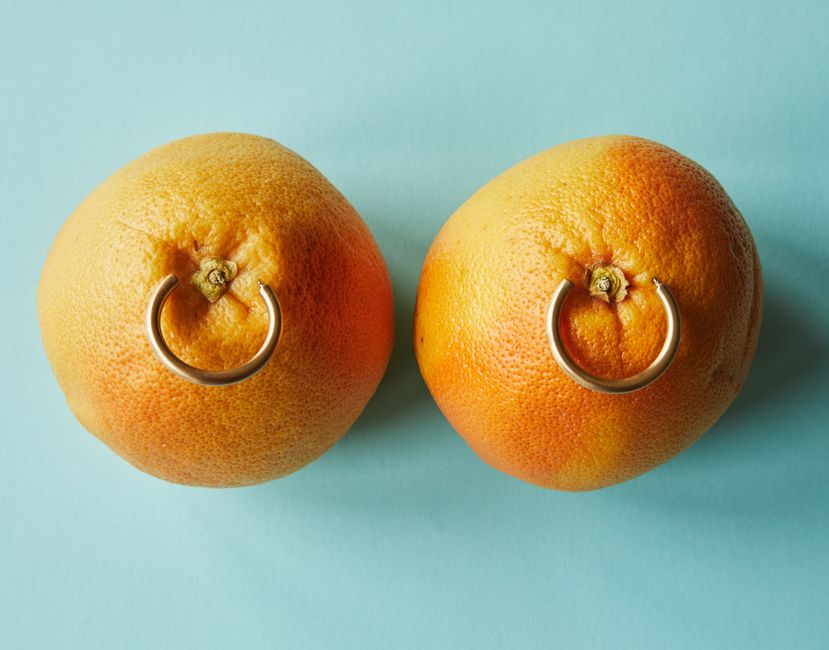
These non-surgical methods offer viable alternatives for those seeking to improve nipple projection without undergoing surgery. However, it’s important to assess the suitability of these treatments based on the severity of the inversion and personal preferences.
Next, we’ll address some frequently asked questions about how to fix inverted nipples and explore the costs associated with different treatment options.
Frequently Asked Questions about How to Fix Inverted Nipples
Can an Inverted Nipple be Corrected?
Yes, an inverted nipple can indeed be corrected. There are both surgical and non-surgical options available. The choice between these methods depends on the severity of the inversion and personal preference.
Safety: Surgical correction is generally safe when performed by a qualified surgeon. Non-surgical methods, like the Niplette or manual techniques, are also safe and can be effective for milder cases.
Postoperative Period: After surgery, expect some bruising and swelling. Most people can return to regular activities within a few days, but it’s advisable to avoid strenuous activities for a couple of weeks.
Complications: Complications are rare but can include infection or changes in nipple sensation. Discuss potential risks with your surgeon to make an informed decision.
How Much Does It Cost to Fix an Inverted Nipple?
The cost of correcting an inverted nipple varies widely based on the method chosen and geographic location.
Cost Range: Surgical correction can range from $1,000 to $5,000. Non-surgical options like the Niplette are much more affordable, typically under $100.
Insurance Coverage: Most insurance companies consider inverted nipple correction to be a cosmetic procedure. Therefore, it is usually not covered unless there’s a medical necessity. Always check with your insurance provider to understand your coverage.
Factors Affecting Cost: The cost can be influenced by the surgeon’s experience, the complexity of the procedure, and additional fees such as anesthesia or facility costs.
Can You Fix an Inverted Nipple Without Surgery?
Yes, there are several non-surgical methods to address inverted nipples, especially for less severe cases.
Non-Surgical Options: These include manual exercises, the use of suction devices like the Niplette, and nipple piercings.
Effectiveness: Non-surgical methods are particularly effective for Grade 1 and some Grade 2 inversions. The Niplette, for example, uses gentle suction to encourage the nipple to protrude and can be a good first step before considering surgery.
These FAQs provide a quick overview of the most common concerns and options for those looking to fix inverted nipples. Understanding these details can help you make a more informed decision about which treatment is right for you.
Conclusion
Inverted nipples are more common than many people realize, affecting up to 10% of women and men as well. They can range from mild to severe and may impact self-esteem or breastfeeding. Fortunately, there are several options available for those seeking to correct this condition, from simple non-surgical techniques to surgical procedures.
If you’re considering how to fix inverted nipples, understand your options and choose what best suits your needs. Non-surgical methods like the Hoffman’s technique and the Niplette device can be effective for mild cases. For more severe inversions, surgical correction offers a permanent solution, although it may involve a recovery period and potential risks.
When should you see a doctor?
If you notice sudden changes in your nipple appearance or if inversion occurs suddenly, it’s crucial to consult with a healthcare provider. These changes can sometimes signal underlying issues that require medical attention. Additionally, if non-surgical methods haven’t provided the desired results, a consultation with a specialist can help you explore surgical options.
At OC Breast Surgery in Newport Beach, California, we specialize in a range of breast surgeries, including nipple reconstruction. Our team, led by Dr. Mark Anton, is dedicated to providing natural-looking results and correcting complications from previous surgeries. If you’re ready to explore your options for correcting inverted nipples, schedule a consultation with us today.
Understanding your treatment options and knowing when to seek professional advice can make all the difference in achieving the results you desire. Whether you’re looking to boost your confidence or address a practical concern like breastfeeding, the right approach is out there for you.