
How Long Does Breast Revision Surgery Take? Top Tips
How long does breast revision surgery take? Breathing new life into previous breast augmentation, this surgery typically spans two to three hours. The specific duration varies depending on your body’s needs and the complexity of the procedure.
Navigating breast revision surgery can feel overwhelming. It’s a complex process aimed at correcting or enhancing the results of your original breast augmentation. Whether you’re addressing medical issues, cosmetic concerns, or the natural changes of aging, it’s crucial to understand the journey from start to finish.
I’m Dr. Mark Anton, with over three decades of experience in breast surgery. I’ve dedicated my career to guiding patients through the intricate process of procedures like breast revision, ensuring their surgeries meet their expectations. Let’s explore what you can expect from the duration and intricacies of this procedure.
How long does breast revision surgery take helpful reading:
– breast revision surgery recovery time
– breast revision surgery cost
– breast augmentation revision surgery
What is Breast Revision Surgery?
Breast revision surgery is a procedure designed to improve or correct the results of a previous breast augmentation. This surgery can address various implant issues, appearance changes, and complications that may arise over time.
Implant Issues
Over time, breast implants can develop problems. Some women experience implant complications like rupture or leakage. A rupture occurs when there’s a tear or hole in the implant shell, which can lead to changes in breast size or shape. Saline implants deflate noticeably, while silicone ruptures are subtler, often requiring imaging to detect.

Capsular contracture is another common issue. This is when the scar tissue around the implant hardens, causing discomfort and distortion. Revision surgery helps by removing the scar tissue and replacing the implant.
Appearance Changes
Aging, weight fluctuations, and lifestyle changes can alter the appearance of breast implants. These factors can lead to changes in the size, shape, and position of the breasts. For instance, implants may shift, causing a condition known as bottoming out, where the implants sit too low on the chest.
Some patients may also desire a change in implant size or type. Breast revision surgery allows for implant downsizing or upsizing, offering the chance to switch from saline to silicone implants or vice versa, depending on personal preference.
Complications
Complications from the initial surgery can necessitate a revision. Symmastia, where implant pockets merge, is one such issue. It can be corrected by separating the pockets and reinforcing them with the patient’s own tissue or a material like Strattice™.
Rippling, especially in thinner patients, occurs when the implant surface shows through the skin. This can be improved with fat grafting or additional support materials.
Each of these concerns highlights the importance of a personalized approach to breast revision surgery. The goal is to address specific medical concerns while achieving the desired cosmetic results.
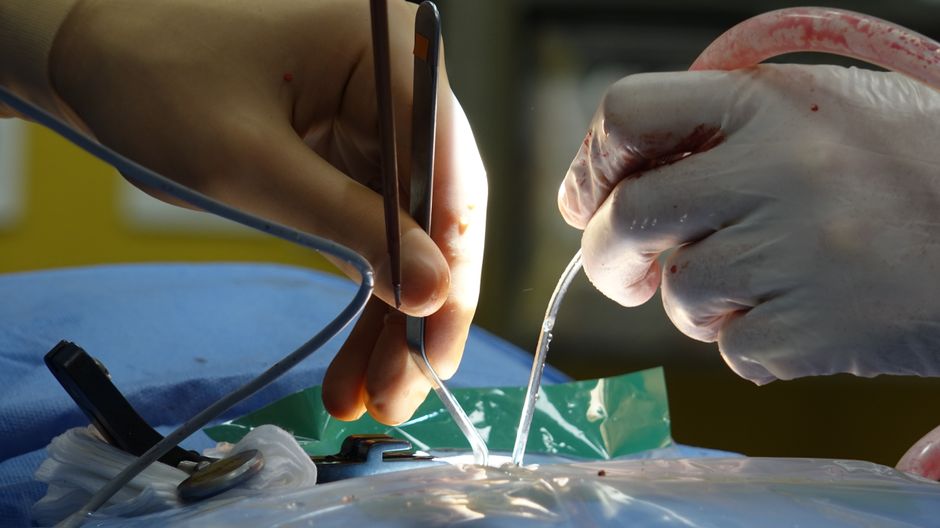
Understanding these aspects of breast revision surgery helps set realistic expectations and prepares you for a successful outcome. Next, we’ll explore the factors that can influence how long your surgery might take.
How Long Does Breast Revision Surgery Take?
Breast revision surgery typically takes 2 to 4 hours to complete. The exact duration depends on several factors that can influence the complexity and procedure time.
Factors Affecting Surgery Duration
- Complexity of the Procedure
Revision surgery is often more complex than the initial breast augmentation. This complexity arises from dealing with issues like scar tissue, implant displacement, or capsular contracture. Each of these challenges can add time to the surgery as the surgeon steers through existing complications.
- Techniques Used
Various techniques may be employed during breast revision surgery, depending on the issues being addressed. For example, correcting capsular contracture might involve removing and replacing the implant, which can take longer than a simple implant exchange.
- Type of Implants
The type of implants being removed or replaced can also impact the surgery duration. Saline implants might be quicker to handle than silicone implants, especially if there is a rupture involved.
- Surgeon Expertise
The expertise of your surgeon plays a significant role in how long the surgery takes. Experienced surgeons who specialize in breast revisions, like those at OC Breast Surgery, can efficiently address complications, potentially reducing the time spent in surgery.
In summary, the question of how long does breast revision surgery take cannot be answered with a one-size-fits-all response. The time varies based on the complexity of your specific case, the techniques required, the type of implants involved, and the expertise of your surgeon. Understanding these factors can help you prepare for the surgery and set realistic expectations.
Next, we’ll dig into the recovery process after breast revision surgery and what you can expect during this time.
Recovery Process After Breast Revision Surgery
Recovering from breast revision surgery is a journey that requires patience and careful attention. Let’s break down what you can expect and offer some practical tips for a smooth recovery.
Initial Downtime
After surgery, you will likely experience bruising, swelling, and discomfort, especially in the first 48 hours. This is completely normal. During this period, it’s crucial to rest and give your body the time it needs to start healing. Most patients can return to light activities within one to two weeks, but full recovery can take up to six weeks.
Activity Restrictions
For the first few weeks, you should avoid activities that could raise your blood pressure or heart rate. This includes bending, lifting, and any vigorous exercise. Your surgeon will provide specific guidelines, but generally, you should refrain from these activities for at least two and a half weeks. Listen to your body, and don’t rush back into your normal routine.
Healing Time
While most women return to normal daily activities after about seven to ten days, complete healing and the full results of your surgery will typically take around six weeks. It’s important to follow your surgeon’s instructions during this time to ensure the best possible outcome.
Tips for a Smooth Recovery
Pain Management: Use prescription or over-the-counter pain medications as directed by your surgeon. Don’t wait until the pain becomes severe to take them, as this can cause unnecessary stress on your body.
Mobility: Gentle movement is encouraged to promote circulation and reduce swelling. Start with simple walks around your home and gradually increase your activity level as you feel comfortable.
Nutrition: Eating well is vital. Prepare healthy meals and snacks in advance, focusing on whole foods like fruits, vegetables, and lean proteins. Avoid junk food and stay hydrated to support your body’s healing process.
Sleep Position: Sleeping on an incline can help reduce swelling. Consider using a wedge pillow to maintain a comfortable and supportive position.
Follow-Up Care: Attend all scheduled follow-up appointments with your surgeon. These visits are crucial for monitoring your progress and addressing any concerns you may have.
By following these guidelines and working closely with your healthcare provider, you can help ensure a successful recovery. Up next, we’ll address some frequently asked questions about breast revision surgery to further guide you through the process.
Frequently Asked Questions about Breast Revision Surgery
Is Breast Revision Surgery More Complex Than Initial Surgery?
Yes, breast revision surgery is often more complex than the initial augmentation. There are several reasons for this:
Scar Tissue: Over time, scar tissue can form around the implants, making the revision process more challenging. This tissue must be carefully managed during surgery to prevent complications.
Existing Issues: Revision surgery addresses problems from the first procedure, such as implant displacement or capsular contracture. These issues add layers of complexity to the surgery.
Expertise Required: Due to these challenges, it’s crucial to choose a skilled surgeon who specializes in breast revisions. Their expertise can make a significant difference in achieving the desired results.
How Soon Can I Have Revision Surgery After Initial Procedure?
Timing is key when considering breast revision surgery. Generally, it’s recommended to wait at least six months to one year after your initial surgery. Here’s why:
Healing Time: Your body needs time to heal and for swelling to subside. This period allows the final results of the initial procedure to become visible.
Complications: If complications like implant malposition or capsular contracture arise, your surgeon might recommend an earlier revision. Each case is unique, so a consultation with your surgeon is essential to determine the best timing based on your healing process and concerns.
Do I Need to Replace My Implants Every 10 Years?
The notion that breast implants must be replaced every 10 years is common, but not always accurate:
Implant Lifespan: Many implants come with a lifetime warranty, but it’s the associated surgery costs that may not be covered after 10 years.
Maintenance: Some women have implants for 20 years or more without any issues. Regular check-ups with your surgeon can help monitor the condition of your implants.
Options: If you’re not experiencing problems, there’s no need to replace them solely based on time. However, if you desire a change in size or shape, or if complications arise, revision surgery is an option.
Understanding these aspects can help you make informed decisions about your breast implants and their maintenance. In the next section, we’ll explore more about the expertise and natural results you can expect from OC Breast Surgery.
Conclusion
At OC Breast Surgery, our focus is on providing exceptional care and achieving natural-looking results for our patients. With Dr. Mark Anton leading our team, we specialize in breast revision surgeries that address complications from previous procedures. Our expertise ensures that each patient receives personalized treatment custom to their unique needs.
Expertise You Can Trust
Breast revision surgery can be complex, requiring a skilled and experienced surgeon. At OC Breast Surgery, we pride ourselves on our ability to handle even the most challenging cases. Our team has experience in correcting issues such as implant displacement, capsular contracture, and scar tissue complications. This expertise allows us to deliver results that not only meet but exceed patient expectations.
Achieving Natural Results
Our goal is to help you achieve a look that is both beautiful and natural. We understand the importance of feeling confident in your appearance, and we work diligently to ensure that your results improve your natural beauty. Whether you’re seeking to improve the appearance of your breasts or correct complications from previous surgeries, our team is committed to helping you achieve your desired outcome.
If you’re considering breast revision surgery, trust the experts at OC Breast Surgery to guide you through the process. Our commitment to quality care and natural results makes us a top choice for patients in Newport Beach and beyond.
For more information about our services and to schedule a consultation, visit our breast implant revision page. Let us help you achieve the results you’ve always wanted.