
Innie Nipple Surgery: Top 3 Transformative Options 2025
Understanding Inverted Nipple Concerns
Innie nipple surgery is a specialized procedure designed to correct inverted nipples, a condition affecting approximately 10-20% of the general population. For those seeking quick information:
Inverted Nipple Surgery – Key Facts
* Definition: Surgical correction of nipples that point inward instead of outward
* Procedure Time: Typically less than 1 hour
* Anesthesia: Usually performed under local anesthesia
* Recovery: Most patients return to work within 1-3 days
* Breastfeeding Impact: Depends on technique used (duct-preserving vs. duct-dividing)
* Success Rate: Approximately 88.6% satisfactory correction rate
Inverted nipples occur when the nipple retracts into the breast instead of projecting outward. This condition can range from mild (where the nipple can be temporarily coaxed outward) to severe (where the nipple remains firmly inverted). While often harmless, inverted nipples may cause functional challenges with breastfeeding and psychological impacts on self-image and confidence.
I’m Dr. Mark Anton, and with over 33 years of specialized experience in breast surgery, I’ve helped countless patients achieve natural-looking results with innie nipple surgery using techniques including the Star Flap Nipple Reconstruction method that I co-created with Dr. Carl Hartrampf.
Understanding Inverted Nipples
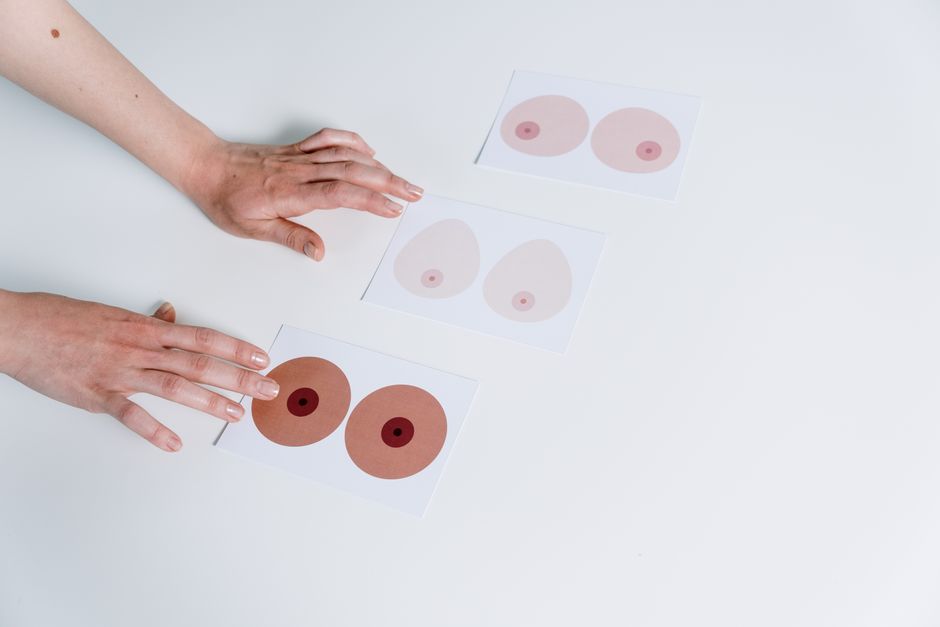

Inverted nipples are much more common than you might think, though they’re rarely discussed openly. If you’re one of the many people with this condition, you’re definitely not alone on this journey.
What Are Inverted Nipples?
Simply put, inverted nipples turn inward rather than pointing outward from the areola. Imagine a belly button that’s an “innie” rather than an “outie” – it’s a similar concept, just on the breast.
This is actually quite common – about 10-20% of women have inverted nipples to some degree. Men can have them too, though it’s less frequently discussed. Most people are born with this condition, but sometimes it develops later in life.
The numbers might surprise you – up to one in five women worldwide have some form of nipple inversion. It can affect just one nipple or both, and while most cases are present from birth, about 3-5% develop after puberty.
As Dr. Nina Naidu, a respected colleague in plastic surgery, once noted: “Inverted nipples can significantly impact a woman’s self-perception and sense of femininity, making this more than just a physical concern for many patients.”
Causes and Grades of Inversion
At the heart of innie nipple surgery is understanding why nipples invert in the first place. The main culprits are shortened milk ducts or tight fibrous tissue that essentially pull the nipple inward instead of allowing it to project outward.
Not all inverted nipples are the same. Doctors classify them into three grades:

Grade 1 (Mild) inverted nipples are sometimes called “shy nipples” – they can be coaxed out with gentle pressure and might stay out temporarily. Cold temperatures or stimulation might make them pop out naturally. Breastfeeding is usually possible without any special interventions.
Grade 2 (Moderate) nipples can be manually pulled out, but they quickly retreat back inward. These require more manipulation to achieve even temporary protrusion. Breastfeeding may be challenging but is sometimes possible. These often respond well to surgical techniques that preserve milk ducts.
Grade 3 (Severe) nipples are firmly inverted and can’t be pulled out manually due to significant scarring or fibrosis. Breastfeeding is typically not possible without correction, and these cases usually require more extensive surgical intervention.
The causes fall into two main categories:
Congenital factors account for about 90% of cases. These are present from birth or develop during puberty, often due to milk ducts that didn’t fully extend during development. There may be a genetic component as well.
Acquired conditions develop later in life and can result from breast inflammation, infections like mastitis, scarring from breast surgery or trauma, changes after pregnancy, aging-related tissue changes, or benign breast disease. In rare cases, sudden nipple inversion can be a sign of breast cancer, which is why new inversion should always be evaluated by a doctor.
Psychological and Functional Impacts
Living with inverted nipples affects more than just physical appearance – it can touch many aspects of a person’s life and wellbeing.

The psychological impacts can be significant. Many of our patients talk about decreased self-confidence and body image struggles. Feeling self-conscious during intimate relationships is extremely common. There’s often anxiety about perceived “abnormality” and social discomfort in situations where the chest might be visible, like at the beach or in changing rooms.
One of our patients shared her experience: “I avoided relationships and even certain clothing styles for years because I was so self-conscious about my inverted nipples. After surgery, I felt like I could finally be comfortable in my own skin.”
The functional challenges are equally important. Many women struggle with breastfeeding because babies have difficulty latching onto inverted nipples. There can be challenges with nipple stimulation during intimacy. The inverted area can trap moisture, potentially leading to recurring infections. Even performing proper breast self-exams can be more difficult.
At OC Breast Surgery, we understand that inverted nipples affect both body and mind. That’s why our approach to innie nipple surgery addresses both the physical correction and the emotional aspects of this condition. We’ve seen how this relatively simple procedure can make a profound difference in our patients’ confidence and quality of life.
If you’re considering options for inverted nipple correction, we’re here to help you understand all your choices in a warm, supportive environment. More info about How to Fix Inverted Nipple
Non-Surgical Management Options
Before considering innie nipple surgery, many people try non-surgical approaches first. While these methods can provide some relief—especially for mild cases—they rarely offer permanent solutions for moderate to severe nipple inversion.
The Hoffman Technique is a simple manual method you can try at home. It involves placing your thumbs on opposite sides of the nipple base and gently pressing outward while moving them apart. With regular practice, this technique may gradually loosen the tight tissue in mild cases, though patience is key as results develop slowly.

Suction devices like the Niplette™ have gained popularity as they create gentle vacuum pressure to draw the nipple outward. These work best when used consistently—typically for 8 hours daily over several months. For Grade 1 inversion, studies show impressive 80-90% effectiveness rates. However, like most non-surgical options, the nipple may gradually revert once you stop using the device.
Breast shells and nipple shields offer another non-invasive approach. These dome-shaped devices sit inside your bra, applying gentle pressure around the nipple area. They’re particularly helpful during pregnancy for women who plan to breastfeed, as they can prepare inverted nipples for better latching. Many women find them comfortable enough for daily wear.
Some people have turned to nipple piercing as an alternative solution. While not medically recommended due to infection risks, the jewelry can create a physical barrier that prevents complete inversion. It’s worth noting that this approach may interfere with breastfeeding and only works while the piercing remains in place.
The limitations of these non-surgical approaches become more apparent as inversion severity increases. For Grade 2 and 3 inversion, they typically provide minimal lasting improvement. They also require consistent, long-term use to maintain any results achieved and don’t address the underlying structural causes of the inversion.
If you’re primarily concerned about breastfeeding and have only mild inversion, these non-surgical options may be worth exploring. However, if you’re seeking a permanent solution or have moderate to severe inversion, surgical correction typically offers the most reliable results.
At OC Breast Surgery, we’re happy to discuss both surgical and non-surgical options during your consultation, helping you choose the approach that best fits your specific needs and goals.
Inverted Nipple Surgery Options
For patients seeking permanent correction of inverted nipples, innie nipple surgery provides reliable and lasting results. At OC Breast Surgery, we tailor our surgical approach to each patient’s unique situation, considering both the severity of inversion and whether preserving breastfeeding ability matters to you.
Lactiferous Duct Preservation Techniques
If you’re hoping to breastfeed in the future, you’ll be glad to know we offer specialized techniques that correct nipple inversion while carefully preserving the milk ducts.
The dermal flap technique has revolutionized how we approach nipple correction. Using your own tissue, we create small triangular flaps from the base of the nipple that act as a natural support structure for the newly protruded nipple. The beauty of this approach is that your milk ducts remain intact, preserving your ability to breastfeed. Patients love the results—studies show an impressive 97.5% satisfaction rate with recurrence rates as low as 1.5%.
For patients with more pronounced inversion, we might recommend the reverse S-shaped design. This modification creates two triangular dermal flaps that are tunneled beneath the nipple and sutured in a special pattern. This provides stronger support to maintain projection, making it particularly effective for Grade 2 and Grade 3 inversion.
Some cases benefit from distractor systems, which use specialized devices or materials to maintain projection during healing. We sometimes use biocompatible mesh that gradually dissolves over 18-24 months, eventually being replaced by your body’s own supportive tissue. This approach preserves most milk ducts while providing the structural support needed for lasting results.
According to scientific research on duct preservation, these techniques not only maintain breastfeeding ability but also show exceptional outcomes with high patient satisfaction and minimal recurrence.
Techniques Involving Duct Division
For patients who don’t plan to breastfeed or who have severe Grade 3 inversion, techniques that divide the milk ducts may provide more definitive correction.
The duct division with Z-plasty approach involves releasing the constricted milk ducts that pull the nipple inward. The Z-shaped incisions help redistribute tension and minimize scarring, providing the most complete release of the nipple with very low recurrence rates. While this permanently affects breastfeeding ability, it often provides the most dramatic and lasting correction.
Another option is the purse-string suture method, which uses a circular suture pattern at the base of the nipple. When tightened, it creates an effect that gently pushes the nipple outward. It’s less invasive than complete duct division and can be combined with other techniques for improved results.
| Technique | Preserves Breastfeeding | Recurrence Rate | Best For | Recovery Time |
|---|---|---|---|---|
| Dermal Flaps | Yes | 1.5% | Grade 1-2 | 1-2 weeks |
| Reverse S-Shaped | Usually | Low | Grade 2-3 | 1-2 weeks |
| Distractor Systems | Mostly | 1.5% | Grade 1-3 | 2-3 weeks |
| Duct Division | No | 3.3% | Grade 3 | 1-2 weeks |
| Purse-String | Partially | 6% | Grade 1-2 | 1 week |
Factors to Consider Before Innie Nipple Surgery
Making the decision to undergo innie nipple surgery is personal, and several important factors should guide your choice:
Your future family plans matter tremendously when selecting a surgical approach. If you hope to breastfeed someday, we’ll strongly recommend duct-preserving techniques. We’ll discuss your family planning timeline during your consultation to ensure we choose the right approach for your life goals.
The severity of your inversion also guides our recommendation. Mild Grade 1 inversion often responds well to less invasive techniques, while severe Grade 3 inversion typically requires more extensive correction. During your consultation at OC Breast Surgery, we’ll carefully assess your specific situation.
Your medical history plays an important role too. Previous breast surgeries, certain medical conditions, and medications that affect blood clotting all influence our surgical planning. We take a thorough health history to ensure your safety and optimal results.
Finally, we’ll discuss your expectations and goals. It’s important to have a realistic understanding of potential results, balancing aesthetic improvement with functional preservation. We want you to be thrilled with your results, which starts with clear communication about what’s possible.
As one of our colleagues, Dr. Terry Myckatyn, often says: “The decision between duct-preserving and duct-dividing techniques is one of the most important choices a patient will make. It requires thorough discussion of the patient’s priorities and future plans.”
At OC Breast Surgery, we believe in a comprehensive consultation process that explores all these factors before recommending the most appropriate surgical approach for your unique situation. We’re committed to helping you feel confident in both your decision and your results.
The Inverted Nipple Surgery Procedure

When you’re considering innie nipple surgery, it’s natural to wonder exactly what happens during the procedure. Let me walk you through the experience so you’ll feel more at ease about what to expect.
Pre-operative Considerations
Before your surgery date at OC Breast Surgery, we’ll take several important steps to ensure your safety and optimal results. First, you’ll have a thorough consultation where we’ll review your medical history and perform a physical examination. This helps us understand your unique situation and customize your treatment plan.
If your nipple inversion developed recently rather than being something you’ve had since puberty, we may recommend diagnostic imaging to rule out any underlying conditions—this is simply a precautionary step to ensure your complete health and safety.
You’ll receive detailed pre-operative instructions that cover everything from medications to avoid to what to wear on surgery day. We’ll also take photographs for planning purposes and to document your “before” state, which helps both you and us track your change.
When it comes to anesthesia, you have options! Most of our patients choose local anesthesia, which numbs just the breast and nipple area while you remain awake. We typically combine this with mild oral sedation to help you relax. The benefit? You’ll have minimal recovery time and fewer side effects compared to general anesthesia.
That said, if you’re having multiple procedures done simultaneously or experience significant anxiety, general anesthesia might be the better choice for you. We’ll discuss what makes the most sense for your specific situation.
One thing our patients love hearing: innie nipple surgery is relatively quick, typically taking just 30-45 minutes per nipple. You’ll be in and out before you know it!
Steps Involved in Innie Nipple Surgery
The magic happens in several carefully orchestrated steps, though the specific technique will be custom to your unique anatomy and chosen approach.
We begin with preparation and marking, where I’ll carefully outline the incision areas on your nipple and areola. These markings serve as my roadmap during surgery. After thoroughly cleansing the area with antiseptic solution, we’ll administer the local anesthesia. Most patients describe feeling a brief pinch followed by a cooling sensation as the area becomes numb.
Next comes nipple eversion. I often place a temporary stitch through the nipple to gently pull it outward. This might sound uncomfortable, but you won’t feel it thanks to the anesthesia. This step gives me better visualization of the structures that need to be released.
For the incision, I make small, strategic cuts at the base of the nipple or along the areola border. These are carefully positioned to minimize visible scarring afterward. If we’re using a duct-preserving technique (important if you plan to breastfeed someday), these incisions typically go at the 3 and 9 o’clock positions.
The most critical step is the release of tethering tissues. I’ll carefully identify the fibrous bands and shortened ducts that are pulling your nipple inward. In duct-preserving techniques, these tissues are stretched or selectively released without completely cutting the milk ducts. If we’ve decided on a duct-dividing approach, I’ll cut the ducts to allow complete release of the nipple.
Creating a support structure is essential for long-term success. Depending on your specific case, I might create dermal flaps, use purse-string sutures, or even incorporate biocompatible mesh. At OC Breast Surgery, we often use a modified dermal flap technique that provides excellent long-term projection and natural-looking results.
Finally, I’ll close the incisions with fine, often dissolvable sutures and apply a specialized dressing or nipple shield to protect your newly everted nipple. Some techniques use a temporary stent to maintain nipple projection during those crucial first days of healing.
As one of our patients recently shared: “I was surprised by how straightforward it all was. Dr. Anton explained each step as he went, which was reassuring. I felt some pressure but no pain, and before I knew it, we were finished and I was looking at my new nipples. I couldn’t believe the difference!”
For more comprehensive information about nipple correction procedures, visit our Nipple Correction Surgery page, where we dive deeper into the various techniques and options available.
Risks, Complications, and Recovery
When considering innie nipple surgery, it’s important to understand both the incredible benefits and the potential risks involved. While this procedure boasts impressive satisfaction rates between 88.6% and 97.5%, we believe in providing our patients with a complete picture of what to expect.
Potential Risks and Complications
The good news is that innie nipple surgery has an overall complication rate of just 1.7%, making it one of the safest cosmetic procedures available. However, as with any surgical procedure, there are some risks to be aware of.
Infection occurs in less than 1% of cases and typically responds well to oral antibiotics. If you have diabetes or an immune system condition, we’ll take extra precautions to minimize this already small risk.
Changes in nipple sensation are something many patients ask about. Most people experience some temporary numbness or hypersensitivity, which is completely normal. Permanent sensation changes happen in only about 2-5% of patients, with a higher likelihood in procedures where the milk ducts are divided.
Scarring is minimal with modern techniques. Most patients are pleasantly surprised by how well-concealed their scars are after healing. Hypertrophic scarring (raised but contained within the original scar line) occurs in less than 2% of patients. True keloid formation is rare but possible if you’re genetically predisposed.
Recurrence of inversion is something we work hard to prevent. The overall recurrence rate is approximately 3.89%, but this varies significantly depending on the technique used. Duct-dividing techniques have a recurrence rate of about 3.3%, while our specialized dermal flap techniques show even better results with just a 1.5% recurrence rate. Grade 3 (severe) inversion cases naturally have a slightly higher chance of recurrence.
“I was so worried about scarring, but six months later, I can barely find the incisions myself,” shared one of our patients. “The improvement in my confidence was absolutely worth the minimal risks involved.”
Recovery Process
Most of our patients at OC Breast Surgery are delighted by how straightforward their recovery is. The process typically unfolds in three phases:
During the first few days after surgery, you’ll experience mild discomfort that’s usually well-managed with over-the-counter pain relievers. You’ll have a protective dressing or nipple shield in place to protect the newly positioned nipple. Most patients return to desk work or light activities within 1-3 days, though we do ask that you avoid compressing the nipples by wearing tight bras or sleeping on your stomach.
Within the first two weeks, visible bruising and swelling typically resolve, giving you a better idea of your final results. If non-dissolving sutures were used, they’ll be removed during this period. You can usually resume light exercise, though you’ll need to continue wearing the protective devices we provide.
By three to four weeks post-surgery, most patients have fully recovered. You can resume normal activities including more vigorous exercise, and your final nipple position becomes established. The small scars will continue to fade over the next 6-12 months.
One patient told us, “I was back at my desk job the next day with minimal discomfort. The biggest challenge was remembering not to sleep on my stomach for a couple of weeks!”
For the smoothest recovery, we recommend wearing loose-fitting tops, sleeping on your back initially, taking showers instead of baths until incisions are fully healed, avoiding nicotine products which can impair healing, and attending all follow-up appointments so we can ensure you’re healing beautifully.
Breastfeeding After Innie Nipple Surgery
For many women, the impact of innie nipple surgery on future breastfeeding is a crucial consideration. This is why we take time to discuss your family planning goals before recommending a specific approach.
After duct-preserving techniques, many women can successfully breastfeed. While lactation may be somewhat reduced, it’s often sufficient for feeding. Success rates vary based on the extent of duct preservation, and working with a lactation consultant can be helpful for optimizing your breastfeeding technique.
If you’ve had a duct-dividing technique, breastfeeding is typically not possible. Some women may produce milk but cannot deliver it through the nipple, meaning alternative feeding methods would be necessary.
“When I told Dr. Anton I wanted to have children in the future, he immediately recommended a duct-preserving technique,” shared a recent patient. “Three years later, I was able to successfully breastfeed my daughter. That kind of thoughtful, forward-thinking care made all the difference.”
At OC Breast Surgery, we have extensive discussions about breastfeeding goals with patients before surgery and select techniques accordingly. For women of childbearing age who haven’t completed their families, we generally recommend duct-preserving approaches whenever technically feasible.
For a visual understanding of the remarkable outcomes possible, you can explore our Corrective Nipple Surgery Before and After gallery to see the changes our patients have experienced.
Choosing the Right Surgical Approach
Finding the perfect solution for your inverted nipples isn’t one-size-fits-all. At OC Breast Surgery, we take the time to understand your unique situation and goals before recommending any approach for innie nipple surgery.
When you visit our Newport Beach office, Dr. Anton will carefully evaluate several key factors that influence which technique might work best for you. The severity of your nipple inversion plays a major role in this decision-making process. If you have Grade 1 (mild) inversion, you might be an excellent candidate for gentler, duct-preserving techniques that maintain breastfeeding ability. For moderate (Grade 2) inversion, we might need to create more substantial support structures, though we can often still keep your milk ducts intact. Those with severe (Grade 3) inversion typically require more extensive correction, sometimes including duct division for the most lasting results.
“Every patient’s body tells a different story,” Dr. Anton often explains during consultations. “What creates beautiful, natural results for one person might not be right for another. That’s why we never rush the planning process.”
Your personal priorities matter tremendously in this decision. Are you planning to breastfeed in the future? How important is the aesthetic outcome versus functional considerations? Are you concerned about the possibility of recurrence? Do you have time constraints for recovery? We’ll talk through all these questions in a warm, judgment-free environment.
Your unique anatomy also guides our approach. The size and shape of your nipples, diameter of your areolas, overall breast shape, and tissue elasticity all influence which technique will create the most natural-looking results. If you’ve had previous breast surgeries or have existing scars, we’ll factor those into our planning as well.
Health considerations can’t be overlooked either. Factors like your natural healing capacity, tendency toward scarring, and any medical conditions that might affect recovery are important pieces of the puzzle. If you smoke, we’ll recommend stopping at least six weeks before surgery to optimize your healing potential.
During your consultation at OC Breast Surgery, we’ll:
- Conduct a thorough examination of your breast tissue and nipples
- Review your health history and discuss your future plans
- Explain appropriate surgical options with clear explanations of benefits and limitations
- Use visual tools to help you understand the recommended techniques
- Take time to answer every question so you feel completely informed
As Dr. Anton often says, “A personalized approach ensures the best outcomes for inverted nipple correction. By thoroughly understanding each patient’s anatomy, goals, and lifestyle, we can select the technique most likely to provide lasting satisfaction.”
This collaborative, thoughtful approach ensures that your innie nipple surgery is custom specifically to your needs, giving you the confidence that comes with knowing you’ve chosen the right path forward.
Frequently Asked Questions about Inverted Nipple Surgery
Will I Be Able to Breastfeed After Inverted Nipple Surgery?
One of the most common concerns we hear at OC Breast Surgery involves future breastfeeding ability. The answer isn’t simply yes or no – it depends largely on the surgical technique chosen for your innie nipple surgery.
If you’re planning to have children and wish to breastfeed, we’ll likely recommend a duct-preserving technique. With these approaches, about 70-80% of women maintain some breastfeeding ability. While milk production might be somewhat reduced, many patients successfully nurse their babies.
On the other hand, duct-dividing techniques offer the most definitive correction but typically eliminate breastfeeding ability. The milk ducts are intentionally severed during surgery, making nursing impossible afterward. We generally reserve these techniques for patients who’ve completed their families or don’t plan to breastfeed.
During your consultation, we’ll have an honest conversation about your family planning timeline. Your future goals matter to us, and we’ll prioritize techniques that align with your breastfeeding plans whenever technically possible.
How Long Does Recovery Take After Inverted Nipple Surgery?
The recovery journey after innie nipple surgery is generally straightforward, with most patients pleasantly surprised by how manageable it is.
Those first few days after surgery typically bring mild discomfort that’s easily handled with over-the-counter pain relievers. Most of our patients return to desk jobs within 1-3 days – many have their procedure on a Friday and return to work Monday morning.
By the end of two weeks, you’ll notice most bruising and swelling has subsided. If you received non-dissolving stitches, we’ll remove them during this period. The protective dressings might feel a bit awkward at first, but they’re easily concealed under clothing.
As one patient told us: “I kept waiting for the difficult part of recovery, but it never came. The whole process was so much easier than I expected.”
By weeks 2-3, you can typically resume all normal activities, including more vigorous exercise. Your body continues internal healing for about 4-6 weeks as your nipples settle into their final position. Any visible scars will continue improving for 6-12 months, becoming increasingly faint with time.
Are the Results of Inverted Nipple Surgery Permanent?
When patients invest in innie nipple surgery, they understandably want lasting results. The good news is that recurrence rates are quite low across all techniques.
Duct-dividing techniques offer the most definitive correction, with recurrence rates of only about 3.3%. These approaches completely release the structures causing inversion, creating a permanent solution. Modern duct-preserving techniques using dermal flaps also show excellent permanence, with recurrence rates of just 1.5% – making them an excellent option for women wanting to preserve breastfeeding ability without sacrificing long-term results.
The severity of your original inversion plays a role too. More severe (Grade 3) cases have a slightly higher chance of recurrence regardless of technique, which is something we’ll discuss during your consultation.
Your tissue characteristics and how well you follow post-operative care instructions also influence long-term outcomes. Wearing protective devices as directed and following all care guidelines helps ensure your results last.
Overall, patient satisfaction with inverted nipple correction is remarkably high – between 88.6% and 97.5%. Most of our patients enjoy permanent improvement that improves both their appearance and confidence. And should you experience any recurrence (which is rare), a simple revision procedure can usually achieve the desired result.
At OC Breast Surgery, we carefully select techniques with proven long-term success and provide comprehensive aftercare guidance to maximize the permanence of your results. We’re committed to helping you achieve the natural-looking, lasting outcome you deserve.
Conclusion
Inverted nipples, while common, can significantly impact both physical function and emotional well-being. Through this comprehensive guide, we’ve explored the various aspects of innie nipple surgery – from understanding the condition and its causes to examining the surgical options available for correction.
Living with inverted nipples doesn’t have to be your permanent reality. As we’ve seen throughout this guide, there are effective solutions available that can help you achieve the appearance and functionality you desire.
The journey we’ve taken together through this guide has shown us that inverted nipples affect a substantial portion of the population – about 10-20% – and come in varying degrees of severity. Whether you’re dealing with mild Grade 1 inversion or more challenging Grade 3, there are options custom to your specific situation.
While non-surgical approaches may work temporarily for some, surgical correction offers the most reliable and lasting results. The beauty of modern innie nipple surgery techniques is their versatility – from duct-preserving approaches that maintain breastfeeding ability to duct-dividing methods that provide definitive correction for those who prioritize permanence over lactation.
One of the most reassuring aspects of this procedure is its simplicity. Taking less than an hour in most cases, with a recovery period of just 1-2 weeks, innie nipple surgery offers tremendous benefits with minimal disruption to your life. The impressive success rates – with 88.6% to 97.5% of patients reporting satisfactory outcomes – speak to the effectiveness of these techniques in skilled hands.
At OC Breast Surgery in Newport Beach, California, Dr. Mark Anton and our compassionate team specialize in providing personalized care for patients seeking inverted nipple correction. With over three decades of experience in breast surgery, we understand that your situation is unique – there’s no one-size-fits-all approach to nipple correction.
We believe in treating the whole person, not just the physical condition. Whether your concerns stem from functional challenges with breastfeeding, aesthetic preferences, or the emotional impact of inverted nipples on your self-confidence, we’re here to listen and help you find the solution that best fits your life and goals.
Even if you’ve had disappointing results from previous attempts at correction, don’t lose hope. Our expertise in addressing complications from previous surgeries means that even patients with complex cases can find solutions at our practice.
We invite you to learn more about Inverted Nipple Correction and take the next step by scheduling a consultation. During this one-on-one meeting, we’ll take the time to understand your specific concerns, evaluate your condition, discuss your options in detail, and develop a treatment plan designed specifically for you.
While inverted nipples are common, you don’t have to accept the functional or emotional challenges they may cause. With modern surgical techniques and expert care from our team at OC Breast Surgery, natural-looking, outwardly projecting nipples are an achievable goal for virtually everyone.
Reach out to us today to begin your journey toward nipple correction and renewed confidence. We’re here to support you every step of the way.