
Do Fake Breasts Float? 7 Surprising Truths for 2025
Swimming with Implants: The Truth About Buoyancy
Do fake breasts float? The short answer is: not significantly. Here’s what you need to know:
- Saline implants are neutrally buoyant (neither float nor sink) as their density closely matches water
- Silicone implants are slightly denser than water and may have a mild sinking effect
- Once implanted in the body, any buoyancy difference becomes negligible for swimming
- Breast implants will NOT function as flotation devices or save you from drowning
The question of whether breast implants provide extra buoyancy in water is one of the most common myths in plastic surgery. Many women considering augmentation wonder if their new additions might affect how they float in pools, oceans, or bathtubs. It’s a reasonable curiosity – after all, we’ve all noticed how natural breast tissue tends to hover at the water’s surface when swimming.
The science behind implant buoyancy is straightforward but often misunderstood. When discussing density and water displacement, we need to consider both the implant material and how it interacts with your body’s natural buoyancy.
I’m Dr. Mark Anton, and as a specialist who has performed thousands of breast surgeries over my 33-year career, I’ve addressed the question “do fake breasts float?” countless times with patients considering augmentation at my Newport Beach practice. My fellowship training in breast surgery and reconstruction has given me extensive knowledge about how implants interact with various environments, including water.
Do fake breasts float terms to remember:
– can you breastfeed with fake breasts
– do fake breasts bounce
– fake breasts

How Buoyancy Works Underwater

Let’s take a moment to understand the science behind what happens when we enter the water. Remember those high school physics lessons about Archimedes? His principle is actually quite simple: when you submerge something in water, it experiences an upward push equal to the weight of the water it displaces. This explains why some things float while others sink to the bottom.
Your body’s relationship with water comes down to a few key factors. Density is the most important – anything less dense than water (which is 1 g/cm³) will float, while denser objects sink. The volume of water you displace also matters significantly. Your body composition plays a huge role too – muscle tissue tends to sink because it’s denser than water, while fat tissue naturally wants to float.
And don’t forget about those deep breaths! The air in your lungs acts like a natural flotation device, significantly increasing your buoyancy. This is why swimming instructors often tell beginners to take a deep breath when practicing floating.
Where you swim makes a difference too. You’ll float more easily in the ocean than in a pool because saltwater has a higher density (about 1.025 g/cm³) compared to freshwater (1 g/cm³). That’s not just your imagination – it’s actual physics at work! According to research from Divers Alert Network, these small density differences can significantly impact how our bodies behave underwater.
Why Natural Breasts Tend to Hover at the Surface
Have you ever noticed how natural breasts seem to float at the water’s surface? There’s a scientific reason for this. Natural breast tissue contains a high percentage of fat, which has a density of approximately 0.93 g/cm³—slightly less than water. This lower density is why natural breasts naturally want to float when you’re in water.
Your posture while swimming improves this effect. Most of us automatically assume a slightly reclined position when floating on our backs, which brings the chest area closer to the surface. Combined with the natural buoyancy of breast tissue and the air in your lungs pushing upward, this creates that familiar sight of breasts partially emerging from the water.
This natural buoyancy leads many women to wonder: do fake breasts float the same way? It’s a perfectly reasonable question, especially if you enjoy swimming or water activities and are considering breast augmentation. Understanding how different materials interact with water can help you set realistic expectations about how your body might feel during these activities after surgery.
Do Fake Breasts Float?

Now to the question that brings many of you here: do fake breasts float? The answer isn’t as straightforward as you might think, but in practical terms, the effect is quite minimal.
From my years of experience and based on extensive clinical research, I can confidently tell you that breast implants don’t significantly change how a person floats in water. The Divers Alert Network (DAN) has conducted fascinating research on this topic, finding that saline, silicone, and hybrid implants experience minimal volume changes (less than 4%) even under the pressure of scuba diving conditions. This makes any buoyancy differences virtually undetectable in real-world settings.
So, Do Fake Breasts Float in Water?
Let’s break this down by implant type:
Saline implants contain sterile salt water with essentially the same density as swimming pool water. This gives them what scientists call “neutral buoyancy” – they neither sink nor float when placed in water. When these implants become part of your body, they behave very similarly to the water environment around you.
Silicone implants, on the other hand, contain a gel that’s slightly denser than water (about 1.04 g/cm³ compared to water’s 1.0 g/cm³). In theory, this means silicone implants have a very mild sinking effect. But don’t worry – once these implants are nestled within your natural breast tissue, this tiny difference becomes practically impossible to notice.
You might have seen videos online of bench-top tests where implants are placed directly in water. In these demonstrations, silicone implants typically sink slowly while saline implants hover somewhere in the middle of the water column. While interesting to watch, these tests don’t accurately represent what happens when implants become part of your body.
The reality is that once implants are placed within your breast tissue, their individual buoyancy characteristics become just one small factor in your overall flotation. The air in your lungs, your natural body composition, and even your swimming position have far greater effects on how you float than your implants ever will.
Do Fake Breasts Float Enough to Save You?
I need to be crystal clear about this: absolutely not. One particularly dangerous myth I encounter is that breast implants can function as built-in life preservers. Fake breasts will not save you from drowning.
Even the largest implants available don’t provide nearly enough buoyancy to keep a person afloat in an emergency situation. To put this in perspective, a typical life jacket contains several liters of specially designed buoyant material – far more volume than any breast implant could provide.
At OC Breast Surgery, we take water safety seriously and discuss this with all our patients. Always use proper flotation devices when needed, take swimming lessons if you’re not confident in the water, and never rely on breast implants as safety equipment.
Real-world tests and hyperbaric chamber studies consistently show that the overall effect of implants on swimming and floating is negligible. Most patients report no noticeable difference in how they float after getting implants – just one of the many aspects of life that continues normally after recovery from breast augmentation.
Saline vs Silicone vs Natural Tissue: The Density Showdown
When it comes to the buoyancy question, it all boils down to density. Think of it as a friendly competition between your natural tissue and the different implant materials.
Natural breast tissue, rich in fat, has a density of about 0.93 g/cm³—making it slightly lighter than water. This explains that familiar “floating” sensation many women experience in pools or bathtubs. Saline solution, at approximately 1.0 g/cm³, matches water’s density almost perfectly, creating a neutral buoyancy effect. Silicone gel, slightly heavier at around 1.04 g/cm³, has a mild tendency to sink.
| Material | Density (g/cm³) | Buoyancy in Water | Typical Volume Range |
|---|---|---|---|
| Natural fatty tissue | ~0.93 | Slight float | Varies naturally |
| Saline solution | ~1.0 | Neutral | 200-800cc per implant |
| Silicone gel | ~1.04 | Slight sink | 200-800cc per implant |
| Water (reference) | 1.0 | – | – |
| Saltwater | ~1.025 | – | – |
But here’s the reassuring part—these differences are truly minimal. When you’re enjoying a relaxing float in the pool or taking a refreshing ocean swim, you likely won’t notice any difference in how your body behaves in water after augmentation. Your overall buoyancy is influenced much more by factors like your body composition, how much air you’re holding in your lungs, and your swimming position than by your implant choice.
As Dr. Anton often explains to patients at our Newport Beach practice, “The physics are interesting, but in real-world swimming situations, these small density differences become practically undetectable.”
Size, Profile & Placement Matter (Just a Little)
While material composition is the star player in the buoyancy game, a few supporting factors deserve honorable mentions:
Size matters—but probably less than you’d think. Larger implants (600-800cc) displace more water than smaller ones, which theoretically could create a slightly different buoyancy effect. However, even with larger implants, this difference remains subtle compared to your body’s natural flotation factors.
Profile preferences affect appearance more than buoyancy. Whether you choose a moderate, high, or ultra-high profile implant won’t significantly change how you float, though it might slightly alter your hydrodynamics when doing the breaststroke.
Placement position (submuscular vs. subglandular) has virtually no impact on buoyancy. However, placement can influence how your breasts move and feel during active water sports or vigorous swimming.
At OC Breast Surgery, Dr. Anton carefully considers these factors during your consultation. His approach isn’t just about creating beautiful results—it’s about ensuring those results complement your lifestyle, including your love for water activities.
After examining thousands of patients with implants over his 33-year career, Dr. Anton has found that women quickly adapt to any subtle differences in water. Most patients report that once they’re swimming or floating, they completely forget about their implants and simply enjoy the water like everyone else.
So do fake breasts float? The scientific answer is “not significantly different from your natural tissue”—and that’s actually good news for water lovers considering augmentation.
Swimming, Sports & Safety with Implants
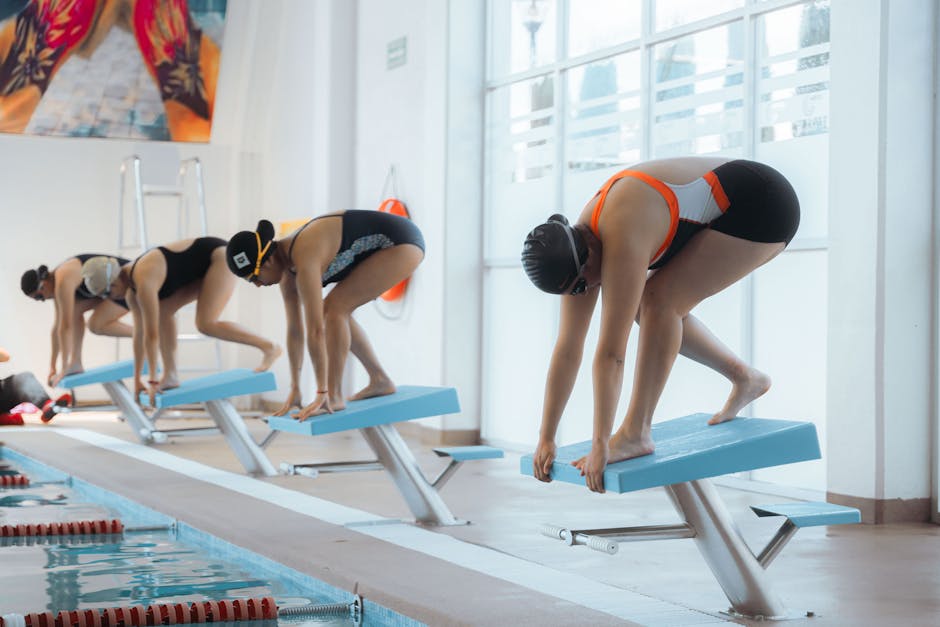
Good news for our Newport Beach water enthusiasts – once you’re fully healed, those breast implants won’t keep you from enjoying your favorite aquatic activities!
Many of our patients love swimming, surfing, and water sports, and they’re often concerned about how implants might affect their water trips. Let me put your mind at ease.
For everyday swimmers, you’ll hardly notice any difference in how you float or move through water. Your post-surgery swimming experience will feel remarkably similar to before, with perhaps some subtle differences in how your body glides through water due to your new shape and profile.
Competitive swimmers might notice some changes, though. Research shows a potential 9-12% decrease in swimming speed – not because of buoyancy issues, but due to increased drag. This comes from interesting studies where varsity swimmers simulated breast implants using rubber softballs in their swimsuits! We’ve also heard similar feedback from competitive swimmers who noticed slightly slower times after augmentation.
Do fake breasts float enough to affect scuba diving? Not significantly. The Divers Alert Network conducted fascinating research showing implants experience less than a 4% volume change under simulated diving conditions – not enough to create noticeable buoyancy differences. If you have silicone implants, you might need minor adjustments to your diving weights due to their slightly higher density, but that’s about it.
For those adrenaline junkies who love water skiing, wakeboarding, or jet skiing, there’s only a very small risk of implant damage from high-speed falls. Modern implants are remarkably durable! However, we typically recommend waiting 2-3 months after your surgery before resuming these higher-impact water activities. This gives your body ample time to heal completely and creates the best environment for long-term results.
Tips for Water Lovers After Augmentation
Your post-surgery water routine will need some adjustments, but you won’t be landlocked for long! Here’s what we recommend to our patients at OC Breast Surgery:
Wait at least 3-4 weeks before dipping into clean, chlorinated pools, and extend that to 6-8 weeks for ocean swimming to minimize infection risk. During those first few months, invest in supportive swimwear that limits excessive breast movement – your healing tissues will thank you!
Don’t forget to protect those healing incisions. Apply waterproof sunscreen with at least SPF 30 to your scars, as sun exposure can permanently darken them. And ease back into your swimming routine gradually – start with gentle strokes before returning to your vigorous butterfly or freestyle.
Surfers might want to consider wearing a rash guard for activities with chest contact to protect healing tissues. And perhaps most importantly – always wear a proper life jacket during water skiing, jet skiing, or boating. Do fake breasts float enough to save you? Absolutely not – proper safety equipment is essential regardless of implant status.
Dr. Anton provides each patient with personalized guidance for returning to water activities based on your specific procedure, healing progress, and lifestyle needs. Our goal is to get you back to enjoying Newport Beach’s beautiful waters as safely and quickly as possible!
For more detailed information about diving with implants, the Divers Alert Network medical FAQ offers excellent research-backed guidance for implant patients who enjoy underwater trips.
Busting Popular Myths & Fun Facts

Let’s have some fun separating fact from fiction when it comes to breast implants and water. After performing thousands of augmentations at our Newport Beach practice, I’ve heard just about every myth imaginable – and some are truly creative!
Perhaps the most dangerous misconception is that do fake breasts float enough to serve as built-in life preservers. This is absolutely false. While natural breast tissue does have slight buoyancy due to its fat content, implants provide negligible flotation benefit. Always rely on proper life jackets and flotation devices when enjoying water activities – your implants are beautiful additions to your body, not safety equipment.
Many women worry about damaging their implants in high-temperature environments. I’m happy to reassure you that your implants won’t melt in saunas or hot tubs. Silicone implant shells are designed to withstand temperatures up to 392°F (200°C), while most saunas top out around 150-190°F. Your average hot tub sits at a comfortable 102°F – nowhere near hot enough to affect your implants. So go ahead and enjoy that relaxing soak!
Similarly, tanning beds pose no threat to your implants. They use UV rays, not heat that would impact implant integrity. Once your incisions have fully healed (typically 3+ weeks after surgery), you can safely resume tanning. Just remember to protect those healing scars with sunscreen to prevent darkening.
Water pressure is another common concern, especially among diving enthusiasts. Modern implants undergo rigorous pressure testing during manufacturing. Recreational swimming, snorkeling, and standard scuba diving depths won’t compromise properly placed implants. The Divers Alert Network research confirms this, showing minimal volume changes even under simulated diving conditions.
Here’s an interesting tidbit that often surprises patients: there is a documented case where a woman’s silicone breast implant actually deflected a bullet, potentially saving her life! While this makes for a fascinating story, I definitely don’t recommend implants as body armor – that’s one benefit we don’t advertise at OC Breast Surgery!
During our educational demonstrations, we sometimes show bench-top testing where implants appear to float despite silicone being slightly denser than water. This occurs because their convex shape displaces enough water to counteract their density – the same principle that allows massive steel ships to float. It’s a neat physics lesson, but once implants are in your body, this effect becomes negligible.
At OC Breast Surgery, we believe informed patients make confident decisions. Understanding the science behind do fake breasts float questions helps separate entertaining myths from the facts that matter for your health and safety. If you’re considering augmentation and have questions about how implants might affect your active lifestyle, we’re always here to provide straightforward answers based on scientific evidence and decades of clinical experience.
Frequently Asked Questions about Breast Implants and Water
1. Will breast implants slow me down in a swim meet?
For the competitive swimmers among our patients, this is a legitimate concern. Research does suggest that breast implants might affect your performance in the water, with studies indicating a potential 9-12% decrease in swimming speed.
This slowdown isn’t related to buoyancy issues but rather to changes in your body’s hydrodynamics. Simply put, your augmented breasts create more drag as you move through the water.
If competitive swimming is an important part of your life, I recommend having a detailed conversation with Dr. Anton about timing. Many of our athletic patients choose to schedule their surgeries during their off-season or after they’ve retired from competitive swimming. This gives them the best of both worlds – the aesthetic results they want without compromising their athletic performance when it matters most.
2. Can implants rupture from a high-speed wipe-out on a jet ski?
Good news for our water sports enthusiasts! Modern breast implants are incredibly durable and engineered to withstand significant force. While a dramatic wipe-out theoretically poses some risk, the chance of rupture is remarkably low. Today’s implants can actually be stretched to more than double their diameter without sustaining damage.
If you love activities like jet skiing or water skiing, we recommend:
– Giving your body adequate time to heal (2-3 months) before returning to high-impact water sports
– Always wearing a properly fitted life vest that doesn’t put excessive pressure on your implants
– Following standard water safety practices
After any significant trauma to your chest area following augmentation, it’s wise to check in with your plastic surgeon, even if you don’t notice immediate changes in how your implants look or feel. Better safe than sorry!
3. Is it safe to snorkel or scuba dive soon after surgery?
For our underwater explorers, patience is key. We typically recommend waiting at least 6-8 weeks before snorkeling and a full 3 months before scuba diving. This timeline allows your incisions to heal completely and gives tissues time to stabilize around your implants.
For scuba diving specifically, you’ll be pleased to know that:
Pressure changes experienced during recreational diving (to depths of 60-100 feet) are completely safe for both saline and silicone implants. The Divers Alert Network research confirms this.
Weight adjustments might be necessary if you have silicone implants, as their slightly higher density could affect your buoyancy underwater. Most divers find they need minor tweaks to their weight systems.
A “checkout dive” in a controlled environment is a smart move after getting implants. This allows you to assess any needed adjustments to your equipment before heading to open water.
At OC Breast Surgery in Newport Beach, we work with many active water enthusiasts and understand the importance of returning to the activities you love. Dr. Anton can provide personalized advice based on your specific water activities and healing progress during your follow-up appointments.
Conclusion
So, do fake breasts float? The science tells us that saline implants are essentially neutral in water, while silicone implants have a slight tendency to sink. But here’s the practical truth: once these implants become part of your body, any difference in buoyancy is so minimal you’ll likely never notice it. Your natural body composition, how you position yourself while swimming, and even the simple act of breathing have far greater impacts on how you float than your implants ever could.
After helping thousands of women through their breast augmentation journeys at OC Breast Surgery, I’ve found that the water question always makes for interesting conversation, but rarely impacts real-life enjoyment of swimming and water activities.
The most important things to remember about breast implants and water are:
- Your floating ability won’t change significantly after getting implants
- Never count on implants as flotation devices – they absolutely cannot save you from drowning
- After proper healing (typically 2-3 months), you can safely return to enjoying all your favorite water activities
- Both saline and silicone options are perfectly safe for everyday swimming, beach days, and even scuba trips
- If you’re a competitive swimmer, you might notice some increased drag, but this has nothing to do with floating – it’s just physics of moving through water with a different body shape
At OC Breast Surgery in Newport Beach, Dr. Mark Anton specializes in creating results that look and feel natural while complementing your active lifestyle. With over three decades dedicated to breast surgery, we understand that addressing even seemingly small concerns – like whether do fake breasts float – is an important part of feeling confident about your decision.
The true measure of successful breast augmentation is forgetting you’ve had it done while you’re living your best life – whether that’s lounging by the pool, catching waves at the beach, or diving into your favorite swimming hole. Your implants should improve your confidence without becoming a constant thought or concern.
If you’re considering breast augmentation and wondering how it might affect your water activities or any other aspect of your lifestyle, we’d love to meet you for a personalized consultation. Our team provides guidance custom to your specific needs, goals, and the activities you love.
Learn more about breast implant options at OC Breast Surgery