
how to make areolas smaller without surgery: Top Myth 2025
Why Non-Surgical Areola Reduction Options Are So Sought After
How to make areolas smaller without surgery is one of the most common questions women ask. Based on extensive medical research and clinical experience, there are no proven non-surgical methods to permanently reduce areola size. Here’s what you need to know:
Non-Surgical Reality Check:
- No topical creams, ointments, or pills can reduce areola size
- Diet and exercise may affect overall breast size but won’t change areola diameter
- Lightening creams can only change color, not actual size
- Surgery remains the gold standard for permanent areola reduction
Many women hope weight loss, exercise, or special creams might shrink their areolas naturally. Unfortunately, these methods don’t work. While temporary tricks like makeup can create an illusion, they don’t address the underlying concern.
The desire for smaller areolas often stems from changes after pregnancy, breastfeeding, weight fluctuations, or genetics. Large areolas can make breasts appear less youthful and may affect self-confidence, which is why many women explore every possible option before considering surgery.
I’m Dr. Mark Anton, and with 33 years of experience in breast surgery, I’ve helped thousands of patients understand their options. While many hope for non-surgical alternatives for how to make areolas smaller without surgery, my experience confirms that areola reduction surgery is the only permanent method to achieve the proportionate, youthful breast appearance most women desire.
Handy how to make areolas smaller without surgery terms:
Understanding What Determines Areola Size
Have you ever wondered why your areolas look the way they do? Just like your eye color or height, areola size is largely determined by genetics. You might notice similarities between you and your family members.
But genetics is just the starting point. Hormonal changes throughout your life play a huge role. During puberty, surging hormones cause breasts to develop, and areolas often grow larger and darker. If you’re wondering how to make areolas smaller without surgery during these years, it’s important to know that breasts can continue developing into the early twenties.
Pregnancy and breastfeeding create some of the most dramatic changes. Your body floods with hormones that prepare your breasts for milk production, causing areolas to stretch and enlarge. After breastfeeding, many women find their areolas remain larger because the skin doesn’t fully retract to its original size.
Weight fluctuations also affect areola appearance. Since breasts contain fatty tissue, significant weight gain can stretch the areolas. When you lose weight later, the areola skin often stays stretched, making them appear larger in proportion to your now-smaller breasts.
Finally, aging naturally affects skin elasticity everywhere, including your areolas. Over time, gravity and decreased skin elasticity can cause areolas to stretch and appear larger or less defined.
More info about nipple surgery
Why Areolas Can Appear Larger
Sometimes areolas don’t just look larger – they project outward, creating what we call “puffy nipples.” This condition affects both men and women and can make the entire areola complex appear more prominent.
In men, puffy nipples are often linked to gynecomastia – a benign growth of breast tissue that affects about 30% of males at some point. While exercise can help reduce overall body fat, it won’t resolve the glandular tissue causing the puffiness.
Stretched skin is another major culprit. Once your areola skin has been stretched by pregnancy, weight changes, or hormonal fluctuations, it often lacks the elasticity to fully snap back. This leaves you with areolas that may seem disproportionately large for your current breast size.
This can lead to self-consciousness, a common concern we address at our Newport Beach practice. You are not alone in feeling this way.
How to Make Areolas Smaller Without Surgery: Myths vs. Reality
The appeal of a simple, non-invasive solution for areola concerns is understandable. Unfortunately, when it comes to how to make areolas smaller without surgery, there are no proven non-surgical methods that can permanently reduce areola size.

This is the medical consensus. In my 33 years of practice, I’ve seen patients try everything from diet and exercise to topical creams and herbal supplements, but these approaches don’t work for areola reduction.
The reason is straightforward: areolas are made of specialized skin that doesn’t respond to methods that reduce overall body fat percentage or build pectoral muscles.
Can Diet and Exercise Really Shrink Areolas?
To be direct: diet and exercise cannot directly shrink your areolas. Let me explain why.
When you lose weight through healthy eating and exercise, you’re reducing overall body fat. Since breasts contain fatty tissue, significant weight loss effects can make your breasts smaller. If your breasts shrink, your areolas might appear slightly less stretched, but their actual diameter won’t change.
Think of a circle on a balloon; deflating it makes the circle appear less stretched, but the circle’s size doesn’t change. This is what happens to areolas with weight loss.
Muscle toning vs. skin reduction is another important distinction. Building your pectoral muscles can give your chest a firmer, more lifted appearance, which might improve how your breasts look overall. However, this doesn’t change the areola size itself.
The lack of scientific evidence for non-surgical areola reduction is definitive. Despite what some websites or products might claim, no research shows that any non-surgical method can permanently reduce areola size. You may see overall breast size changes from weight fluctuations, but the areola tissue itself remains unchanged.
Exploring Topical Creams and Cosmetic Camouflage
Let’s talk about the various creams and cosmetic tricks people try. I’ve had patients ask about everything from lightening creams to special “areola reduction” products they found online.
Lightening creams containing ingredients like hydroquinone might change the color of your areolas, but they cannot reduce their size. Plus, there are hydroquinone risks to consider – this chemical can cause irritation, especially on sensitive breast skin.
Some patients get creative with temporary makeup solutions, using concealer to try to “shrink” the appearance of their areolas. While this might create a slight visual illusion, it’s not a practical daily solution.
Medical tattooing for appearance is primarily used for reconstruction after mastectomy or to camouflage surgical scars. You can’t tattoo over existing areola tissue to make it appear smaller, as the natural texture would still be visible, creating an unnatural look.
While I encourage body positivity, I also understand that if your areola size genuinely affects your confidence, it’s valid to explore your options. The key is having realistic expectations about what’s actually possible without surgery.
The bottom line? Surgery remains the only proven method for permanent areola reduction.
The Gold Standard: Areola Reduction Surgery Explained
After exploring the myths around how to make areolas smaller without surgery, we arrive at an important truth: surgery is the only proven method to permanently reduce areola size. As countless plastic surgeons confirm, “The only way to reduce the size of your areola is with surgery.”
While this may be disappointing, the good news is that areola reduction surgery has an excellent track record with high patient satisfaction and predictable, natural-looking results.
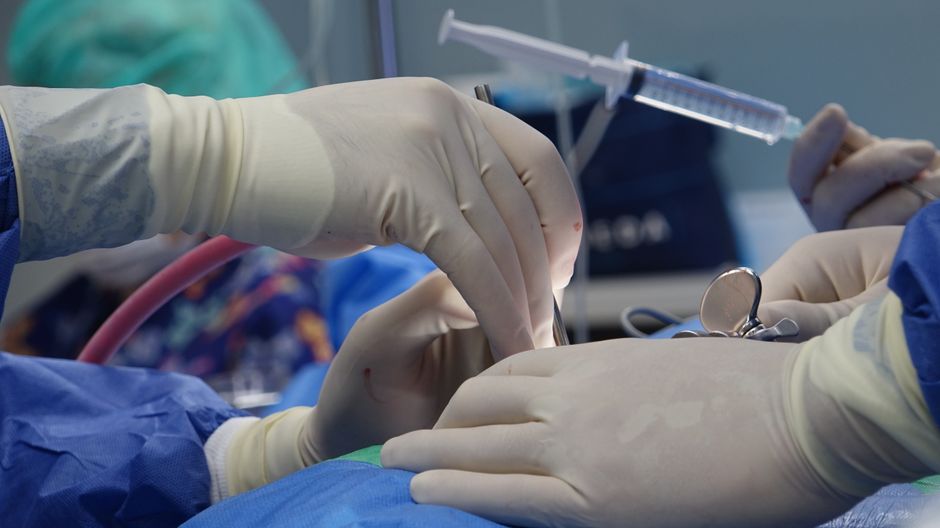
The journey begins with a surgical consultation, a crucial step. During this meeting, we will examine your breasts, discuss your medical history, and detail your aesthetic goals. This is where we determine if you’re an ideal candidate and create a custom surgical plan. Every person’s anatomy is different, so a personalized approach is key.
The goal is to achieve natural-looking results that boost your confidence. Patient satisfaction with this surgery is extremely high, with most people reporting a significant improvement in how they feel about their bodies.
What is the Surgical Procedure?
Areola reduction surgery is a straightforward outpatient procedure, typically taking about an hour. It’s performed under local anesthesia with sedation or general anesthesia, based on patient comfort and our recommendation.
The most common technique involves a periareolar incision around the circumference of your areola.
We use a “doughnut lift” technique, where we carefully remove the excess areola tissue—the “doughnut” of skin making your areola larger than desired.
Once we’ve removed the excess tissue, we bring the remaining skin together using a special “purse-string” suture placement technique. This gathers the skin smoothly and creates a natural contour while keeping scarring to a minimum. The stitches are placed along the natural border between your areola and the surrounding breast skin, which makes any eventual scar practically invisible.
Choosing an experienced surgeon is crucial for this procedure, as achieving the right size and symmetry requires technical skill and an artistic eye.
How to Make Areolas Smaller Without Surgery by Combining Procedures
Areola reduction can be combined with other breast procedures to address multiple concerns in a single surgery. Often, areola concerns are part of a bigger picture, like lost volume or sagging. Combining procedures creates comprehensive, harmonious results.
Breast lift (mastopexy) is the most common combination. During a breast lift, we reposition your nipple and areola higher on the breast mound while reshaping the breast. Reducing the areola size at the same time ensures everything looks proportional and youthful.
Breast reduction patients almost always benefit from areola reduction. If we make your breasts smaller but leave large areolas, the proportions would look off. That’s why areola reduction is an integral part of this surgery.
With breast augmentation, some women choose to reduce their areola size to achieve the perfect balance with their new breast volume.
For men with gynecomastia, combining areola reduction with tissue removal and liposuction creates a flatter, more masculine chest.
Areola Reduction with Augmentation
Preparing for a Successful Outcome
During our consultation, we’ll determine if you’re an ideal candidate. This generally means you’re unhappy with your areola size, are in good overall health, and have realistic expectations.
Age considerations are important. For women, we typically recommend waiting until your breasts are fully developed, usually by your late teens or early twenties. For young men with significant gynecomastia, we might consider the procedure earlier.
Stable weight is crucial for lasting results. If you plan to lose or gain significant weight, it’s better to wait until you’re at your goal weight before surgery.
Before your surgery, we’ll give you detailed pre-operative instructions. Smoking cessation is critical—you’ll need to stop several weeks before surgery as it dramatically impairs healing. We’ll also review your medications and may ask you to temporarily stop certain ones like blood thinners.
Arrange for someone to drive you home after the procedure and help you during your initial recovery. Following these instructions is designed to ensure your safety and help you get the best possible results.
Why you should quit smoking before surgery
What to Expect: Recovery, Risks, and Cost
Understanding the recovery from areola reduction surgery helps you prepare. While healing varies, most patients find the process manageable and are pleased with their decision.
The Recovery Journey
Areola reduction surgery has a relatively comfortable recovery period compared to other breast procedures. Most patients find the healing process manageable.
Right after surgery, you’ll experience some mild swelling and bruising around the treated area, similar to a minor bruise. This typically fades within the first week, and discomfort is often less than expected.
Pain management is straightforward. Over-the-counter medications like ibuprofen or acetaminophen are usually sufficient, though we’ll provide a prescription if needed. Many patients only need stronger medication for the first day or two.
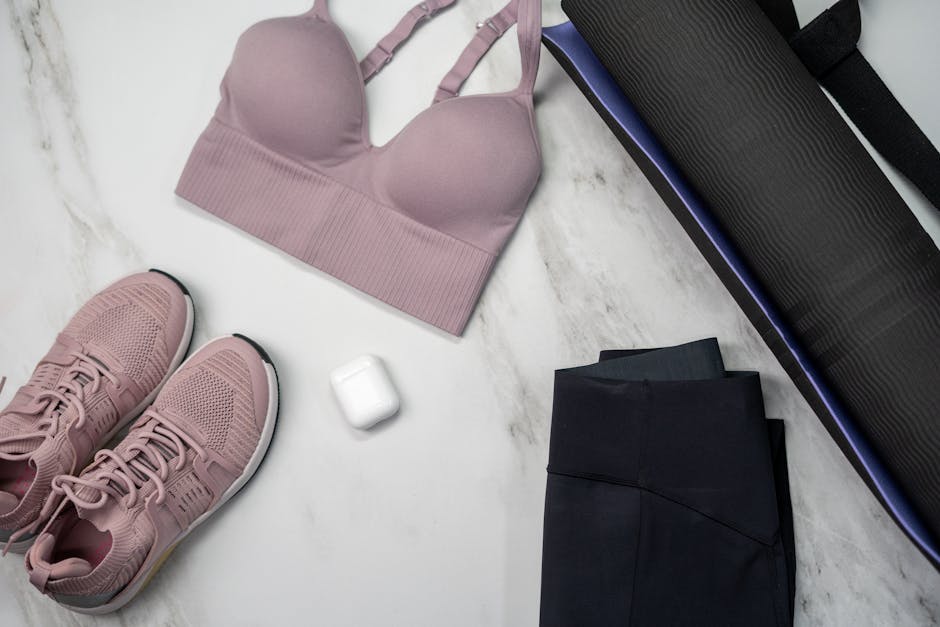
You will need to wear a supportive surgical bra or soft sports bra for several weeks. This provides gentle compression and support, which helps patients feel more secure and comfortable during healing.
Activity restrictions are reasonable. Most people return to light daily activities and work within a day or two. However, avoid heavy lifting and strenuous workouts for at least one to two weeks, sometimes longer depending on your healing. Sexual activity should also wait a few weeks.
Scar maturation is an ongoing process. Your incision will initially be a pink, slightly raised ring around your areola. Over the coming months, this scar will gradually fade and flatten, a process that can take up to a year. We’ll guide you through proper scar care to optimize the final appearance.
Potential Risks and Side Effects
While generally safe, it’s important to understand the potential risks of areola reduction to make an informed decision. Serious complications are rare.
Scarring is inevitable with any surgery. We place the incision along the natural border of your areola to make it as inconspicuous as possible. Most patients find their scars fade well and become barely noticeable.
Sensation changes are common in the first few weeks. You might experience temporary numbness, tingling, or increased sensitivity. For most people, normal sensation returns gradually, though in rare cases, some permanent changes can occur.
Infection is a rare risk when you follow post-operative care instructions. We’ll teach you proper wound care and signs to watch for, such as unusual redness, warmth, or swelling.
The possibility of affecting breastfeeding ability is a risk we discuss thoroughly with patients who may want to breastfeed in the future. While damage to milk ducts is rare, we can discuss surgical techniques that minimize this risk.
Nerve injuries in aesthetic breast surgery: Systematic review
Understanding the Investment
Cost is an important factor. We believe in being upfront about the financial investment.
For a standalone areola reduction, costs typically range from $2,000 to $5,000. This includes surgeon fees, anesthesia, and facility costs, depending on the complexity of your case.
When combined with other procedures, the total investment increases but often provides better overall value. Here’s what you might expect:
| Procedure Type | Average Cost Range |
|---|---|
| Standalone Areola Reduction | $2,000 – $5,000 |
| Areola Reduction with Lift | $6,000 – $10,000+ |
| Areola Reduction with Reduction | $7,000 – $12,000+ |
| Areola Reduction with Augmentation | $6,000 – $10,000+ |
Since areola reduction is considered cosmetic, insurance coverage typically doesn’t apply. We provide a detailed, transparent quote during your consultation at our Newport Beach office.
While a significant investment, many patients find the boost in confidence worthwhile. We can discuss payment and financing options to help make your goals achievable.
Frequently Asked Questions about Areola Reduction
Here are answers to the most common questions I receive about areola reduction and the realities of surgical procedures.
Can areolas shrink on their own after pregnancy or weight loss?
This is a common question. Unfortunately, areolas typically don’t shrink back to their original size after pregnancy or significant weight loss.
During pregnancy and breastfeeding, hormones cause the areola skin to stretch. Even if your breast size decreases after you stop nursing or lose weight, the stretched areola skin usually stays stretched. The skin’s elasticity becomes permanently altered. This is why many patients seek surgery months or years after having children to restore a pre-pregnancy appearance.
How painful is areola reduction surgery?
The answer to this is reassuring. Most of my patients are pleasantly surprised by how comfortable the recovery is, as areola reduction surgery is generally not very painful.
You won’t feel anything during the procedure. Afterward, most patients describe the discomfort as manageable, mild soreness. Over-the-counter pain relievers are usually sufficient to keep you comfortable, and some patients don’t need them after the first day or two. Severe pain is quite rare with this procedure.
Will I have a noticeable scar after areola reduction?
Yes, there will be a scar, but areola reduction scars are among the most well-hidden in plastic surgery. The incision follows the natural border of the areola, where color and texture already change.
I am very strategic about scar placement, blending the circular scar with the natural transition between the darker areola and lighter breast skin. Initially, the scar will be pink and slightly raised, but it will mature and improve significantly over six months to a year. Most of my patients tell me that even they have trouble seeing their scars after full healing.
I provide detailed scar care instructions to optimize healing. Proper care can make a remarkable difference in the final appearance, and the vast majority of my patients are very happy with how discreet their scars become.
While we’ve explored every angle of how to make areolas smaller without surgery, the reality is that surgical reduction remains the only permanent solution.
Conclusion: Making an Informed Decision for Your Body
The journey to feeling confident in your own skin is deeply personal. It’s natural to hope for a simple solution, which is why so many people search for how to make areolas smaller without surgery.
However, the medical reality is straightforward: there are no proven non-surgical methods that can permanently reduce areola size. We know this might be disappointing. Diet, exercise, and topical creams cannot alter the diameter of the areola.
The good news is that areola reduction surgery is a safe, effective, and straightforward procedure that consistently delivers the results patients are hoping for. It offers the permanent solution that non-surgical methods cannot provide. The high patient satisfaction rates speak for themselves—the confidence boost is remarkable.
At our practice in Newport Beach, Dr. Mark Anton brings over three decades of expertise to every consultation and procedure. We understand that choosing surgery is a significant decision, which is why we prioritize thorough consultations, honest discussions, and creating a treatment plan that’s custom to your unique goals.
Making an informed decision means having all the facts. We are committed to giving you the truth: there is no simple non-surgical answer. The most important step is scheduling a consultation with a board-certified plastic surgeon who specializes in breast surgery. This meeting will provide personalized answers and a clear understanding of what your journey could look like.
Your comfort, safety, and satisfaction are our top priorities. If you’re ready to explore how areola reduction surgery might help you achieve the confidence you deserve, we’re here to guide you every step of the way.