
Breast Augmentation Recovery Tips: 10 Best Proven Ways
Understanding Breast Augmentation Recovery Tips: Your Essential Guide
Breast augmentation recovery tips can significantly ease your post-surgery experience, helping you heal faster and feel comfortable sooner. For a quick summary, here are the top breast augmentation recovery tips:
- Prioritize Rest: Sleep on your back with your upper body liftd.
- Manage Pain and Swelling: Use prescribed medication and apply cold compresses.
- Wear the Right Bra: Wear a supportive, non-underwire bra as recommended.
- Healthy Diet and Hydration: Eat nutritious meals, rich in protein, and stay hydrated.
- Gentle Movement: Take short, gentle walks to boost circulation.
- Incision Care: Keep your incision sites clean and dry; follow your surgeon’s instructions closely.
- Watch for Complications: Monitor signs of infection like increased redness or fever; contact your surgeon promptly.
- Prep Your Home: Arrange daily essentials within easy reach, minimize physical strain.
- Follow Doctor’s Instructions: Stick to medication, activity, and follow-up schedules carefully.
- Positive Mindset: Stay patient, have support, and maintain a positive attitude.
I’m Dr. Mark Anton, and with 33 years of experience performing thousands of breast surgeries, I’ve guided countless women through their healing journey, making breast augmentation recovery tips a central part of patient education at OC Breast Surgery. Let’s get started with your recovery roadmap.
Breast augmentation recovery tips terms to know:
– breast reduction recovery week by week
– mastectomy recovery
Tip 1: Prioritize Rest and Proper Sleep
After your breast augmentation surgery, your body needs plenty of rest to heal properly. Sleep isn’t just downtime—it’s when your body actively repairs and refreshs tissues damaged during surgery. As you sleep, hormones are released that help your body repair tissues, ease muscle tension, and strengthen your immune system, all crucial elements for a smoother recovery.
“Think of sleep as your body’s night shift. It’s working hard behind the scenes to help you get back to feeling like yourself,” says Dr. Anton. “This is especially important during the first week after breast augmentation.”
Studies show that good quality sleep can significantly lessen pain and boost your immune response, both essential for a smooth recovery. However, many patients find it tricky to get comfortable sleep during the early days of recovery due to swelling, soreness, and adjusting to new implants.

Breast Augmentation Recovery Tips for Comfortable Sleep
One of the most valuable breast augmentation recovery tips is to sleep on your back with your upper body lifted at a gentle angle (around 30-45 degrees). Sleeping in this liftd position helps your body’s circulation, reduces swelling, and minimizes pressure on your chest and incision sites. It also encourages your implants to settle into their ideal position naturally.
“I always recommend using a wedge pillow—it’s sturdy, won’t shift around, and gives you solid support throughout the night,” notes Dr. Anton. Regular pillows can easily move, making it harder to stay comfortable, especially in the early days.
If you’re naturally a side or stomach sleeper, adjusting to back sleeping may seem tough at first. Try practicing sleeping on your back a week or two before surgery. Once you’re home recovering, placing pillows under each arm can help prevent you from rolling over in your sleep, maintaining proper posture and comfort throughout the night.
Sleeping on your stomach should be avoided for at least 12 weeks post-operation, as this position puts unnecessary pressure on your breasts. Side sleeping can typically be reintroduced after about 6-8 weeks, but always check with your surgeon first.
Another practical option many patients find helpful is sleeping in a recliner during the first week or two of recovery. No recliner? No worries—a wedge pillow to lift your head and upper body, plus another pillow beneath your knees, can reduce back strain and boost comfort.
Lastly, don’t forget to create a sleep-friendly environment to speed up the healing process. Avoid sleep disruptors such as caffeine, alcohol, sugary snacks, or excessive screen time before bed. Keeping your room cool, dark (blackout curtains can work wonders!), and quiet will also encourage deeper, more restful sleep.
By prioritizing restful sleep and following these helpful breast augmentation recovery tips, you’ll encourage your body to heal faster, making your journey to feeling great again much smoother and more comfortable.
Tip 2: Breast Augmentation Recovery Tips for Managing Pain and Swelling
Pain and swelling after breast augmentation surgery are completely normal—your body’s way of healing and repairing itself. But, fortunately, you don’t have to just grit your teeth and bear it. By following some practical breast augmentation recovery tips, you can comfortably manage discomfort and help your body recover smoothly.

You can expect the most noticeable discomfort within the first 3-5 days after surgery, but don’t worry—it usually gets much easier after the first week. Swelling tends to linger a bit longer, typically improving significantly within 4-6 weeks. Some mild swelling may remain for a few extra months, gradually fading away as your body fully adjusts.
Effective Pain Management Strategies
At OC Breast Surgery, Dr. Anton emphasizes a multi-step approach to keep your pain under control and your recovery comfortable. First and foremost, make sure you’re taking prescribed medications exactly as directed. Even if your pain feels manageable, sticking to your medication schedule for those initial days can help you stay ahead of discomfort and prevent pain spikes.
As your healing progresses, you’ll usually be able to transition from prescription medications to over-the-counter options like Tylenol—just double-check with your surgeon before making the switch. It’s also important to avoid blood-thinning medications, including aspirin and ibuprofen, as these can increase bruising and bleeding risks. Typically, it’s best to steer clear of these medications for at least two weeks before and after your surgery.
A simple method to manage both pain and swelling is the trusted R.I.C.E approach (Rest, Ice, Compression, Elevation). Allow yourself plenty of rest—remember, your body’s working overtime right now. Applying cold packs or ice wrapped in a soft towel for short intervals (15 minutes on, 20 minutes off) can significantly ease discomfort and reduce swelling. Consistently wearing your compression garment is also crucial, as it provides gentle support and helps reduce swelling. Finally, remember to keep your upper body liftd, even while relaxing, to assist blood flow and drainage.
Dr. Anton gently reminds his patients, “Rest is important, but don’t stay in bed all day. Take short, gentle walks around your home from day one. This easy movement improves circulation, reduces your risk of blood clots, and helps you feel better faster.”
Natural Remedies to Reduce Swelling
If you prefer natural remedies or want extra ways to ease swelling, there are several great options to complement your doctor’s instructions. One popular homeopathic solution is Arnica montana, available as an oral supplement or topical gel. Many patients swear by arnica’s ability to reduce bruising and swelling.
Cold compresses are also a superb natural remedy. Just avoid placing ice directly on your skin or incisions—wrap ice packs in a towel first, and limit each session to about 15 minutes. Staying well-hydrated is another simple yet powerful strategy. Drinking plenty of water helps flush out toxins and reduces fluid retention, making swelling fade faster.
Additionally, diet plays a role in swelling management. Eating a low-sodium diet helps prevent fluid retention, so try to limit salty foods during your recovery. Incorporating foods rich in Vitamin K—like leafy greens, broccoli, and Brussels sprouts—can further minimize bruising and swelling.
Dr. Anton’s experience speaks volumes: “Patients who take these breast augmentation recovery tips seriously and follow them closely often experience far less discomfort and swelling. It’s always rewarding for me to see my patients comfortable and healing well.”
For more on managing post-surgical swelling, check out this helpful latest research on managing post-surgical swelling.
Tip 3: Wear a Supportive Bra Continuously
One of the most helpful breast augmentation recovery tips you’ll ever receive is to wear the right supportive bra—consistently and around the clock. No kidding, this humble garment can be your best friend during recovery!
The moment you leave the operating room, your surgeon will fit you with a surgical bra or compression bandage. This isn’t your typical lingerie—think of it instead as a gentle yet firm hug, designed specifically to support your new implants and minimize swelling after surgery.
Dr. Anton emphasizes, “Wearing a supportive bra continuously during the first 4-6 weeks of recovery is crucial. It provides gentle compression, reduces swelling, keeps implants properly positioned, and relieves tension on your healing incisions.” You’ll typically need to keep this bra on 24/7, removing it only briefly for showers.

Choosing the Right Post-Surgery Bra
Not all bras are created equally—especially when you’re healing after breast surgery. A good post-surgical bra should feel supportive yet comfortable, never tight enough to pinch or irritate your skin. Here’s what Dr. Anton recommends looking for:
Choose a bra with a front-closure design. Trust us—you don’t want to lift your arms overhead those first few weeks after surgery. A front-closing bra is easy to put on and remove without straining your incisions.
Absolutely steer clear of underwire bras. Those wires may be great for lift and support long-term, but during your early healing phase, they can irritate sensitive incisions or press awkwardly against your new implants. Give yourself at least 6-8 weeks before even thinking about wearing anything with an underwire.
Opt for bras made from soft, breathable fabric. Cotton or other gentle materials will help reduce irritation and keep your incision areas comfortable. Avoid synthetic fabrics that trap moisture or cause heat buildup.
The fit should feel snug but not restrictive. Your recovery bra should gently compress the area, but never dig into your skin or create uncomfortable pressure points. Compression helps reduce swelling, improve circulation, and keep implants positioned correctly during healing.
Find a bra with adjustable straps to accommodate swelling changes. In the weeks following surgery, your swelling will fluctuate. Adjustable straps allow you to modify fit and support depending on your comfort level each day.
After several weeks of initial recovery, and only with your surgeon’s approval, you may gradually switch to a supportive sports bra. Many women continue wearing a comfortable supportive bra at night even beyond the initial healing phase—it can provide added comfort and ongoing support.
Dr. Anton adds this gentle warning: “One common mistake I see is patients switching back to regular bras too quickly. Proper support during recovery is vital for achieving beautiful, natural results and preventing complications.”
Follow these simple yet important breast augmentation recovery tips and you’ll be amazed at how comfortable you can feel as you heal—and how beautifully your new shape takes form!
Tip 4: Maintain a Healthy Diet and Hydration
During your breast augmentation recovery, what you eat and drink matters—a lot. Food isn’t just fuel; it’s medicine, helping your body repair tissues, fight off infections, and reduce swelling. Eating well and staying hydrated are easily overlooked but vital breast augmentation recovery tips that can make a big difference in your healing journey.

“I always remind my patients that the recovery process actually starts before surgery, with proper nutrition,” says Dr. Anton of OC Breast Surgery. “Eating the right foods after your procedure is just as important to support optimal healing.”
Foods That Promote Healing
During recovery, your body needs plenty of building blocks to repair tissues and reduce inflammation. Your best bet is to focus on nutrient-rich choices. Lean proteins like chicken, fish, eggs, legumes, and tofu supply essential amino acids for tissue repair. Protein doesn’t just fill you up—it helps build new, healthy tissues around your implants.
Don’t skimp on colorful fruits and veggies, either. They’re loaded with antioxidants and vitamins that boost your immune system and fight inflammation. Vitamin C-rich foods such as citrus fruits, berries, and bell peppers help with wound healing and collagen production. Vitamin A-packed carrots, sweet potatoes, and leafy green veggies promote healthy skin and tissue regeneration.
It’s equally important to eat whole grains like oatmeal or brown rice, which provide sustained energy and fiber, helping your digestive system adjust after surgery. And don’t shy away from healthy fats—avocados, olive oil, nuts, and fatty fish (like salmon) contain omega-3 fatty acids, which naturally reduce inflammation and help with healing.
Another pro tip: Vitamin K-rich greens like spinach, kale, broccoli, and Brussels sprouts can help minimize bruising, a common side effect after surgery.
As you nourish your recovery, remember to avoid certain foods that could slow you down. Limit salty snacks that can increase swelling and fluid retention. Steer clear of processed, sugary treats that may spike inflammation. Alcohol is off-limits for at least two weeks after surgery because it can increase bleeding risk and interfere with your medications.
Hydration Matters
Don’t underestimate the power of water—it’s one of the simplest yet most effective breast augmentation recovery tips. Staying hydrated helps your body flush out anesthesia, medications, and toxins after surgery. It also reduces swelling, prevents constipation (a common issue when taking pain medication), and supports your body’s natural healing processes at the cellular level.
“I recommend my patients aim to drink about 2 liters of water every day,” advises Dr. Anton. “It sounds simple, but it’s amazing how much better patients feel when they’re well-hydrated.”
If drinking plain water feels boring, try adding lemon or cucumber slices for flavor. Herbal teas count too and can help relax you, making rest easier to achieve. Before surgery, prep a few meals and fill reusable water bottles to have nutritious choices and hydration ready to go. Eating smaller, more frequent meals often feels gentler on your stomach in the early days of recovery.
By paying attention to your diet and hydration during your recovery, you’re actively helping your body heal faster and better. It’s a small investment of effort that yields big rewards in comfort, well-being, and beautiful results.
Tip 5: Gentle Movement and Exercise

After surgery, resting is essential—but gentle movement is just as important to your breast augmentation recovery. Light activity encourages blood circulation, reduces stiffness and swelling, and significantly lowers the risk of complications like blood clots.
Dr. Anton always reminds his patients, “Movement helps the healing process. I want my patients walking around their homes as soon as possible after surgery. This prevents blood clots, keeps your lungs clear, and simply helps you feel more like yourself again.”
When to Start Light Activities
So, what does “gentle movement” look like following breast augmentation surgery?
During the first 24 to 48 hours, your body needs rest, but you shouldn’t stay completely immobile. Short, easy walks around your house every few hours (even just walking to the kitchen or bathroom) are encouraged. This helps circulation and keeps stiffness at bay.
Around days 3 to 4, you can extend your walks slightly. Take your time and listen carefully to your body. It’s normal to feel a little tired or sore, but don’t push yourself if discomfort increases significantly.
By the end of the first week, most women feel comfortable taking longer walks, either around the house, the yard, or even short strolls outdoors in their neighborhood. Fresh air can lift your spirits too, making your recovery feel less isolating.
Between weeks 2 and 3, you can gradually add gentle arm movements and light daily activities back into your routine. For instance, carefully folding laundry or preparing a simple meal are usually safe tasks.
By weeks 4 to 6, your surgeon may approve you to slowly reintroduce more activities and movement. Always confirm with your surgeon before stepping up your routine.
Typically, around weeks 6 to 8, you’ll receive the green light from your surgeon to gradually resume more strenuous activities. It’s important to wait for this clearance before jumping back into regular workouts or heavier household tasks.
Dr. Anton shares, “Patients who follow these breast augmentation recovery tips and incorporate gentle activity early on generally heal faster and experience fewer aches and stiffness. The key is finding balance—move gently, rest frequently, and take your recovery step-by-step.”
Avoiding Strenuous Exercises
While it’s good to get moving, there are certain activities you’ll definitely want to avoid for safe breast augmentation recovery.
Heavy lifting is off-limits in the early weeks. Dr. Anton advises patients not to lift anything over 5 pounds (think: about the weight of a half-gallon of milk) for at least 2 weeks. For the following 4 to 6 weeks, limit yourself to lifting nothing heavier than about 10 pounds.
Also, avoid raising your arms above shoulder level for the first 2 to 3 weeks. This action can put unnecessary stress on your incisions and newly placed implants.
High-impact activities—such as running, aerobics, jumping, or intense cardio—are definitely on the hold-list for at least 6 weeks post-surgery. Activities that target your chest muscles—like push-ups, bench presses, or weightlifting—should be avoided entirely for 8 to 12 weeks. These strenuous movements can affect your implants’ position and healing tissues.
Dr. Anton compares it to recovering from a strained muscle: “Your pectoral muscles just underwent a big adjustment. Treat them like they’re healing from an injury—gradually ease back into exercise.”
When you finally do resume exercising, pay close attention to how your body feels. It’s normal to feel some tightness or mild soreness at first—but sharp or intense pain means it’s time to stop and consult with your surgeon. Ease into each activity slowly, with patience and care.
Following these simple yet essential breast augmentation recovery tips will help make your healing journey safer, more comfortable, and ultimately more successful.
Tip 6: Proper Incision and Scar Care
When it comes to healing after breast augmentation surgery, proper incision care can make all the difference in your results. Paying close attention to your surgeon’s instructions for incision management is one of the most essential breast augmentation recovery tips. By taking care of your incisions correctly, you help prevent infections, support smooth healing, and minimize visible scarring.
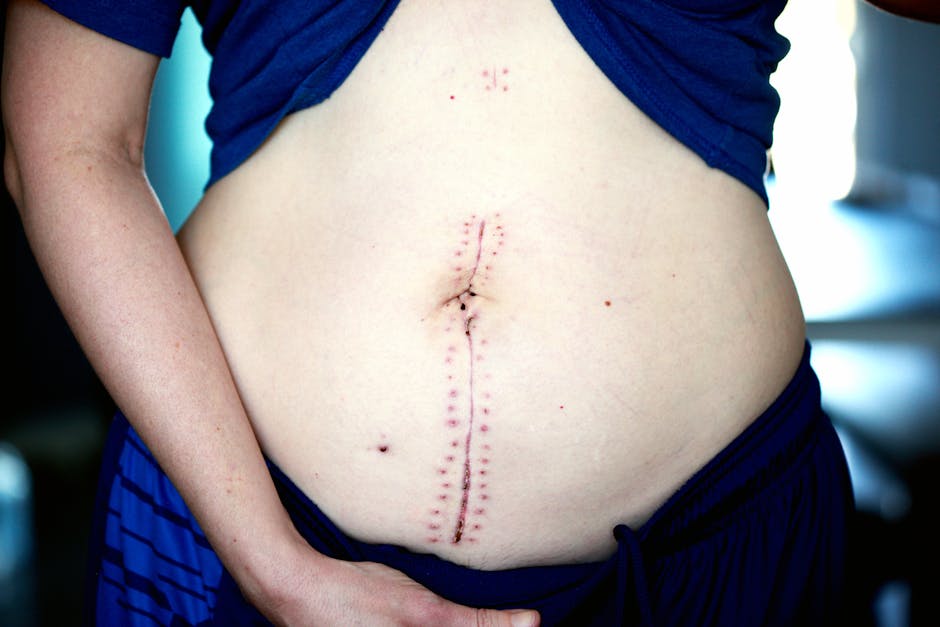
“The way you treat your incisions during the first several weeks can set the stage for how your scars will look long-term,” explains Dr. Anton. “At OC Breast Surgery, we provide detailed, personalized incision care guidelines to ensure the best results possible.”
Immediately after surgery, your main goal is to keep your incision sites clean and dry. Gently wash the area daily using warm water and mild soap, then carefully pat the incisions dry with a clean towel. Avoid soaking in baths, hot tubs, or swimming pools for at least four weeks to protect your incisions from infection.
Dr. Anton advises against applying any creams, ointments, or harsh substances—like alcohol or hydrogen peroxide—to your incisions unless specifically instructed. Keeping it simple and gentle is best in these early weeks. You’ll also want to carefully follow any dressing-change instructions provided by your surgeon, as these can help reduce swelling and prevent complications.
Be sure to monitor your incisions daily for signs of infection or other issues. Watch for redness that worsens, unusual drainage, warmth, painful swelling, or anything else out of the ordinary. If something doesn’t feel right, contact your surgeon promptly. It’s always better to ask questions early rather than wait and worry.
Breast Augmentation Recovery Tips for Scar Management
Once your incisions have healed fully—typically around six to eight weeks—you can shift your focus to scar management. At this stage, consistent care can significantly improve the appearance of your scars over time.
Silicone sheets or gels are among the most effective scar treatments recommended by surgeons. Regular use of these silicone-based products has been scientifically shown to soften scars, flatten raised areas, and fade discoloration. Dr. Anton frequently recommends silicone treatments as a safe and reliable method for scar management.
Some patients also choose natural remedies like Vitamin E oil or Bio-Oil. While scientific evidence is mixed, many women find these products helpful in softening scars and improving skin texture. Always check with your surgeon before applying any product to your scars.
Another helpful option that Dr. Anton often shares with patients is gentle scar massage. Once your incision sites are fully healed and your surgeon gives the green light, gently massaging your scars can help break down thicker scar tissue, improve circulation, and encourage scars to soften over time.
One of the simplest yet most important tips for scar care is sun protection. UV rays can darken scars, making them much more noticeable. Keep your scars out of direct sunlight and apply a high SPF sunscreen whenever they’re exposed, especially in the first year post-surgery.
“Scar maturation is a long-term process,” Dr. Anton reminds his patients. “Your scars can continue improving in appearance for up to 18 months. Patience, consistency, and good scar care are key.”
At OC Breast Surgery, we offer advanced scar management options custom to your unique healing journey. During your follow-up visits, we’ll assess your scars and recommend personalized strategies to help you achieve the best aesthetic results possible.
For more information, you may also want to review these guidelines on incision care after surgery.
Tip 7: Recognizing Signs of Complications
While complications after breast augmentation are relatively rare, especially when performed by board-certified plastic surgeons, knowing the warning signs is an essential part of breast augmentation recovery tips.

I’ve helped thousands of women through breast augmentation recovery, and I can tell you that most experiences are smooth sailing. But I always remind my patients that being observant during recovery isn’t about expecting problems—it’s about peace of mind. Think of it as knowing the road signs on your healing journey.
“The vast majority of my patients experience a smooth recovery,” I often reassure them. “However, being vigilant about potential complications allows us to address any issues promptly, minimizing their impact.”
Common Warning Signs
Your body is remarkably good at sending signals when something needs attention. During your recovery, be mindful of certain changes that warrant a call to your surgeon.
Infection indicators deserve immediate attention. If you notice your incision area becoming increasingly red, unusually warm to touch, or producing strange discharge, don’t wait to reach out. A fever over 100.4°F alongside these symptoms is your body waving a red flag.
Swelling changes can also be telling. While some swelling is completely normal, pay attention if one breast suddenly becomes significantly more swollen than the other, or if swelling intensifies rather than gradually improving.
Pain patterns provide important clues too. Recovery discomfort typically follows a predictable path—gradually improving day by day. If your pain suddenly worsens after showing improvement, or if your prescribed medication isn’t touching the pain, something might be amiss.
Bleeding concerns should never be ignored. While some minimal spotting on dressings is expected initially, fresh or increasing bleeding from incisions needs professional evaluation.
Implant position changes warrant attention if you notice a sudden shift in breast shape, visible movement of an implant, or any sensation of deflation. These could indicate an implant has moved from its pocket or, rarely, ruptured.
Blood clot symptoms require emergency attention. If you experience unexplained calf pain, swelling or redness in your legs, sudden shortness of breath, or chest pain, don’t delay seeking medical care. These could indicate a deep vein thrombosis or pulmonary embolism, which are rare but serious.
I always tell my patients at OC Breast Surgery that calling with a concern that turns out to be nothing is infinitely better than ignoring something significant. We’ve designed our practice to provide 24/7 access to our surgical team during your recovery period precisely for this reason.
“I remember a patient who called because her right breast felt slightly warmer than her left,” I share with new patients. “It turned out to be nothing concerning, but her attentiveness gave us both peace of mind. That’s exactly what these check-ins are for.”
Your recovery is a partnership. We’re in this together, and no question or concern is too small when it comes to your health and surgical results. Being vigilant doesn’t mean being anxious—it means being an active participant in your healing process.
Tip 8: Prepare Your Home for Recovery
There’s nothing quite like coming home after surgery to a space that’s perfectly set up for your healing journey. Creating a comfortable recovery environment before your breast augmentation can make those first days so much easier—it’s one of those breast augmentation recovery tips that patients often tell me they wish they’d taken more seriously!

“I remember one patient who transformed her living room into what she called her ‘healing sanctuary,'” shares Dr. Anton with a smile. “She had everything from her favorite blankets to a mini-fridge stocked with healthy snacks. She later told me those preparations made all the difference during those first challenging days.”
Setting Up Your Recovery Space
Think of your recovery space as your personal healing zone. Before your surgery date, find a comfortable spot in your home—whether it’s your bedroom or a cozy corner of your living room—where you’ll spend most of your time during those first few days.
Your recovery command center should have everything within arm’s reach. Your phone and charger, remote controls, medications, a water bottle that’s easy to open, and some light entertainment like books or your tablet should all be readily available. This simple preparation prevents you from having to stretch, bend, or ask for help constantly.
Extra pillows are absolute lifesavers after breast augmentation. You’ll want plenty of them to support your back, neck, and arms while you’re resting. A wedge pillow can be particularly helpful for keeping your upper body liftd while sleeping.
Rearranging your home before surgery can prevent unnecessary strain. Move items you use daily to waist level—this means no reaching high or bending low, which can be uncomfortable with fresh incisions. I’ve had patients tell me they temporarily reorganized their kitchen cabinets, moving everyday dishes and glasses to middle shelves.
Preparing meals ahead of time is something your future self will thank you for. Stock your freezer with easy-to-heat healthy meals and your pantry with nutritious snacks that don’t require preparation. This isn’t the time to be cooking elaborate meals—simple, nutritious options are best.
Having loose-fitting, front-closing clothes ready is another thoughtful preparation. Button-up shirts, zip-up hoodies, and slip-on shoes eliminate the need to raise your arms overhead, which can be uncomfortable during early recovery.
“One of my more practical patients set up a ‘recovery station’ in each room of her house,” Dr. Anton recalls. “Each had water, healthy snacks, tissues, and any medications she might need. She said it gave her freedom to move around without worrying about forgetting something essential.”
For the bathroom, consider a shower stool for those first few days when standing for long periods might be tiring. Some patients also find cleaning wipes helpful when showering isn’t convenient. A night light between your bedroom and bathroom can prevent stumbles during nighttime trips.
Having someone stay with you for at least the first 24-48 hours after surgery isn’t just nice—it’s an important safety measure. Your helper can assist with daily tasks, help you remember medication schedules, and provide peace of mind during those crucial first days.
“Think of recovery as a project that deserves planning,” I often tell my patients. “The more thoroughly you prepare your home, the more you can focus simply on healing.”
Small considerations can make a big difference in your comfort and safety. Using smaller containers of milk or juice to avoid lifting heavy items, keeping ice packs ready in the freezer, and preparing a phone list with important contacts including our office number—these thoughtful preparations create a recovery environment where healing can be your only job.
The goal isn’t just to survive your recovery—it’s to make it as comfortable and stress-free as possible. When your home is prepared for your needs, you can direct all your energy toward healing well and reaching that wonderful moment when you can enjoy your results.
Tip 9: Follow Post-Operative Instructions Carefully
Of all the breast augmentation recovery tips, perhaps the most crucial one is simply following your surgeon’s directions closely. I know—sounds simple, right? Yet you’d be surprised how often this advice gets overlooked!
Your surgeon provides personalized instructions specifically custom to your unique procedure and individual health factors. “We’ve spent decades refining these guidelines based on thousands of successful recoveries,” says Dr. Anton. “Every detail in your instructions matters and is there to help ensure your best outcome.”
After surgery, your guidelines will cover specifics like medication schedules—exactly when and how to take pain medication, antibiotics, and any other prescriptions. You’ll also receive clear guidance on activity restrictions, from avoiding lifting heavy items to steering clear of certain exercises and movements.
Proper wound care will be emphasized—keeping incisions clean, dry, and cared for to prevent infection. You’ll learn how and when to change dressings and the importance of wearing your compression garment or surgical bra consistently. Bathing instructions are detailed, letting you know exactly when showers can safely resume and how to protect your incisions in the meantime.
Your recovery instructions will also include dietary recommendations to promote healing, like focusing on lean proteins and staying hydrated. Many patients find a meal plan particularly helpful to make nourishing foods easy during recovery. Additionally, you’ll have guidelines on when it’s safe to return to work and resume daily activities.
Dr. Anton points out, “Patients who follow these instructions carefully almost always experience fewer complications, heal faster, and enjoy a smoother recovery journey.”
Attending Follow-Up Appointments
Follow-up appointments aren’t just formalities—they’re an essential part of your healing and allow your surgeon to ensure everything is going smoothly. Skipping these appointments can feel tempting if you’re recovering well, but remember: your surgeon knows exactly what to look for to ensure your healing remains on track.
At OC Breast Surgery, you’ll typically have follow-ups around 1 week, 2-3 weeks, 6 weeks, 3 months, 6 months, and finally at 1 year. During these visits, Dr. Anton will closely monitor your progress, address concerns early, and make adjustments as needed to optimize your results.
“I tell my patients to think of follow-ups as checkpoints in a journey,” Dr. Anton shares warmly. “They help us spot anything that needs attention early on, keeping your recovery seamless—and your results beautiful.”
For more insights into what to expect week by week, check out our detailed guide: Breast Augmentation Recovery Week by Week.
Tip 10: Maintain a Positive Mindset
Recovery isn’t just physical—it’s emotional, too. Keeping a positive mindset throughout your breast augmentation journey can significantly boost your healing process and improve your overall satisfaction with the results.
Dr. Anton often says, “Your mindset can have just as much impact on your recovery as following physical breast augmentation recovery tips. Staying patient and positive truly makes the healing process smoother.”
It’s completely normal for your emotions to go up and down after surgery. Anticipation, excitement, impatience, and even frustration may all be part of the experience. That’s why it’s so important to set realistic expectations from the start. Healing takes time, and your breasts will continue to settle and adjust for several months post-surgery.
Practicing patience can be challenging, but keeping your eyes on the big picture helps. Remind yourself that any discomfort, swelling, or limitations are temporary—and each day is bringing you closer to your desired outcome. Instead of dwelling on temporary setbacks, celebrate your small victories. Maybe today you slept better, needed less pain medication, or felt comfortable taking a slightly longer walk—each milestone is worth recognizing.
Connecting with others can also greatly support your emotional well-being. Reach out to friends and family who can offer encouragement and empathy when you need a little lift. If you’d appreciate connecting with others who’ve walked this path before, consider joining an online or local breast augmentation support group. Sharing experiences with women who truly understand your journey can provide reassurance, practical breast augmentation recovery tips, and emotional comfort.
Dr. Anton recalls one patient who kept a daily recovery journal. “She wrote down little improvements each day—swelling going down, moving more comfortably, regaining energy—and found that looking back on her progress kept her motivated and optimistic. It’s a simple but powerful tool.”
And remember, if you’re feeling overwhelmed or stuck, don’t hesitate to talk openly with your surgeon or a mental health professional. At OC Breast Surgery, your emotional well-being is just as important as your physical recovery. We’re here to support you every step of the way.
Frequently Asked Questions about Breast Augmentation Recovery Tips
How long does recovery from breast augmentation take?
The recovery journey after breast augmentation typically happens in several stages, and each person’s experience can be slightly different. Initially, during the first 1 to 2 weeks, you’ll likely have the most noticeable discomfort and need to take it easy. Most women feel ready to return to basic daily tasks or desk jobs within about 7 to 10 days.
Over the next 2 to 6 weeks, your comfort level significantly improves, and you’ll notice swelling begins to decrease. During this intermediate recovery period, you can gradually increase your daily activities. However, you’ll still need to be cautious and avoid strenuous exercises or heavy lifting.
By around 6 to 8 weeks after surgery, most patients feel back to their normal routine, although you’ll still want to check with your surgeon before resuming more intense activities or certain workouts.
The final results—when your implants fully settle and your scars fade to their mature appearance—take a bit longer, usually around 3 to 6 months. Dr. Anton often reminds his patients, “Every recovery is a unique journey. Factors such as implant placement (over or under the muscle), implant size, and your individual body’s healing ability can influence your exact recovery timeline.”
When can I return to work after surgery?
Returning to work depends greatly on your job role and how quickly your body heals. Most women with desk jobs or roles that aren’t physically demanding feel comfortable returning within 7 to 10 days after breast augmentation surgery. Dr. Anton typically advises his office-working patients to anticipate about 5 to 7 days off work.
If your job involves more physical activity, such as lifting or moving frequently, you’ll likely need a longer recovery period—usually around 2 to 3 weeks. In some cases, it can be helpful to ease back into your routine gradually. You might start with shorter days or lighter duties before returning to your full responsibilities.
Always discuss your job situation with your surgeon to create a realistic and safe return-to-work plan. Giving yourself ample time to recover isn’t just good medical advice—it’s one of the best breast augmentation recovery tips for ensuring your comfort and the best long-term results.
Can I sleep on my side after breast augmentation?
Sleeping comfortably after breast augmentation is often a significant concern for patients—especially for those who naturally prefer to sleep on their side or stomach. Initially, you’ll need to sleep on your back with your upper body gently liftd for about 6 weeks. This positioning helps reduce swelling, minimizes pressure on your new implants, and supports proper healing.
Dr. Anton recommends his patients practice sleeping on their back before surgery, as this makes the transition easier. If you’re eager to return to side sleeping, most patients can cautiously reintroduce side sleeping around 6 to 8 weeks after surgery—but always confirm with your surgeon first.
When you’re ready to sleep on your side again, consider placing soft pillows for support—one under your side or even a slim pillow between your breasts can make side sleeping more comfortable. Continuing to wear your supportive bra overnight provides additional comfort and helps protect your implants as they settle.
Your surgeon will give you personalized advice about exactly when and how you can safely resume certain sleeping positions. Being patient and following these breast augmentation recovery tips closely will pay off, bringing you greater comfort and enhancing your results.
Conclusion
Recovery from breast augmentation is a personal journey that involves patience, care, and attention to detail. By following these breast augmentation recovery tips, you’re setting yourself up for a smoother healing process and results you’ll love for years to come.
Everyone’s recovery is different, and that’s perfectly normal. While some women bounce back quickly, others may need a bit more time and attention—and both are completely okay. That’s why having expert guidance and personalized care is so important during this exciting, yet sensitive, time.
At OC Breast Surgery, Dr. Mark Anton and our caring team understand that breast augmentation is so much more than just a cosmetic procedure. It’s a step toward feeling confident, beautiful, and comfortable in your own skin. With over three decades of experience, and expertise in breast revision, reconstruction, augmentation, and reduction surgeries, Dr. Anton has guided thousands of women toward results that look truly natural.
Our warm and welcoming facilities in Newport Beach and throughout Orange County are designed to make your experience as comfortable and supportive as possible. From your initial consultation to your final follow-up appointment, we’re here for you—ready to answer your questions, calm your concerns, and celebrate your healing milestones.
If you’re thinking about breast augmentation surgery or have questions about any aspect of the recovery process, we warmly invite you to schedule a consultation with Dr. Anton. During your appointment, you’ll receive personalized guidance that aligns with your unique goals and concerns.

Your path to greater confidence and a beautiful, natural-looking result begins with expert information, compassionate care, and the right support. Let OC Breast Surgery help you steer your recovery journey with comfort and confidence.