
Breast Augmentation Recovery: Top Tips for 2024 Success
Introduction
Breast augmentation recovery is a crucial phase for anyone undergoing this popular cosmetic procedure. Understanding what to expect can help you navigate the first few days and weeks with confidence.
Quick Overview:
– Immediate effects: Pain, swelling, and tightness.
– First few days: Bed rest and limited movement.
– Emotional impact: Initial anxiety followed by gradual improvement.
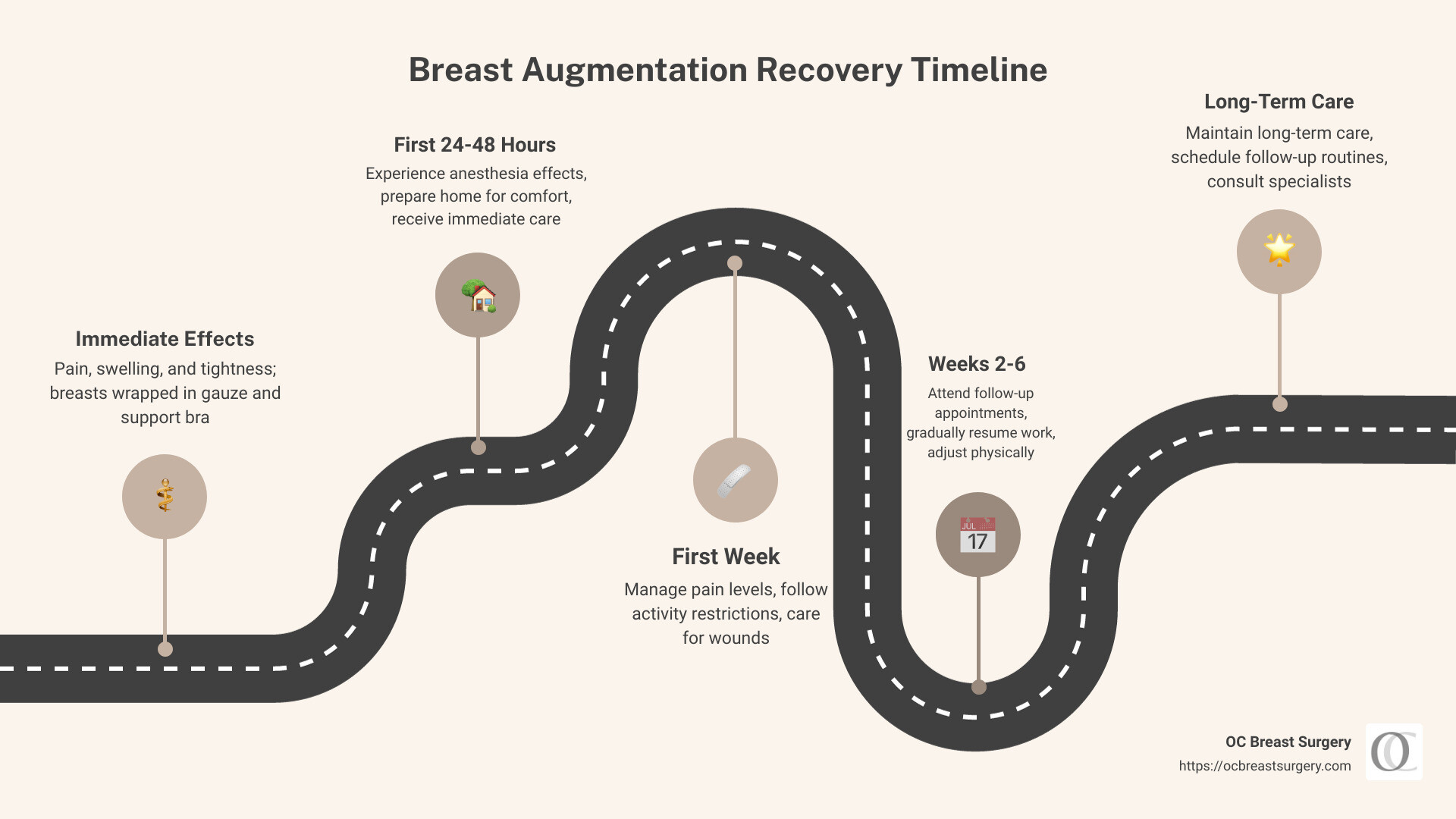
Recovery starts immediately after surgery when your breasts will be wrapped in gauze dressings and a support bra to minimize swelling. You might feel discomfort and tightness, but don’t worry—this is normal and typically subsides within a few days. Everyone’s recovery experience is unique, and it’s important to listen to your body’s signals during this healing process.
As Dr. Hartley reviews, “I had little to no downtime and felt fabulous,” highlighting the variable recovery experiences.
Hello, I’m Dr. Mark Anton. With over three decades of experience in breast augmentation recovery, my expertise ensures patients receive the highest level of care, achieving both natural-looking results and peace of mind.
Understanding Breast Augmentation Recovery
The First 24-48 Hours
During the first 24-48 hours after your breast augmentation surgery, you will still feel the lingering effects of anesthesia. This period is critical for initial healing. Ensure you have a friend or family member to drive you home and stay with you for the first day.
Set up a comfortable recovery area with extra pillows and blankets. Keep essentials like water, snacks, and entertainment within arm’s reach to avoid unnecessary movement. Dr. Jenna Bourgeois recommends staying hydrated and getting plenty of rest during this time.
Immediate care tips:
– Rest: Your body needs time to heal.
– Hydration: Drink plenty of fluids.
– Comfort: Use pillows to support your upper body.
The First Week
The first week is often the most uncomfortable. Expect some pain, bruising, and swelling around your chest area. Pain levels can vary, but painkillers prescribed by your doctor can help manage discomfort.
Light walking around your home is encouraged to promote blood flow and prevent blood clots. However, avoid any strenuous activities or heavy lifting.
Activity restrictions:
– Walking: Gentle walking is beneficial.
– Lifting: Avoid lifting anything heavier than 10 pounds.
– Rest: Listen to your body and rest when needed.
Weeks 2-6
As you move into weeks 2-6, your body continues to heal. By this time, bruising and swelling should have significantly reduced. You’ll begin to feel more like yourself and can start resuming light activities. Most women can return to work after one or two weeks, depending on their job’s physical demands.
Follow-up appointments: Ensure you attend all scheduled follow-up visits with your surgeon. These check-ups are essential for monitoring your progress and addressing any concerns.
Resuming work: If your job is physically demanding, consider taking additional time off to allow for complete healing.
Physical adjustments: Your breasts may feel firmer and look rounder. Numbness in the breast area is also common but should improve over time.
Key points for weeks 2-6:
– Light activities: Gradually resume light activities.
– Monitor healing: Keep an eye on any changes and report concerns to your doctor.
– Follow-up: Regular check-ups are crucial.
Transitioning back to your normal routine takes time, so be patient with your body as it heals.
Managing Pain and Discomfort During Recovery
Importance of Proper Medication
Managing pain after breast augmentation is crucial for a smooth recovery. Your doctor will likely prescribe medications to help with pain and prevent infection. Painkillers like acetaminophen or ibuprofen can help manage mild discomfort. For more intense pain, your surgeon might prescribe stronger pain medications.
Antibiotics are usually prescribed to prevent infections. It’s important to take them exactly as directed, even if you feel better before finishing the course. Anti-nausea medications may also be given if you experience nausea from anesthesia or pain meds.
Natural Pain Management Techniques
In addition to medication, there are natural ways to manage pain and discomfort:
Cold compresses: Applying a cold compress to your breasts can help reduce swelling and numb the area, providing pain relief. Use it for 20 minutes at a time, several times a day.
Gentle exercises: Walking and light stretching can boost blood flow and help reduce stiffness. Start slowly and gradually increase your activity as you feel comfortable.
Rest: Getting plenty of rest is essential. Your body needs time to heal, so listen to it and avoid strenuous activities.
Over-the-counter aids like acetaminophen can also be helpful. Always consult your doctor before taking any new medication to avoid any adverse reactions.
By combining proper medication with natural pain management techniques, you can make your breast augmentation recovery smoother and more comfortable.
Next, we’ll discuss how to safely resume physical activities after breast augmentation.
Physical Activities and Limitations
Early Recovery Activities
During the first few days after your breast augmentation, it’s important to take things slow. While resting is crucial, incorporating light activities can help boost your recovery.
Walking is the best place to start. Short, gentle walks around your home can help improve blood flow and reduce the risk of complications like blood clots. Aim for a few minutes at a time, gradually increasing as you feel comfortable.
Stretching is another gentle activity you can do. Simple arm and shoulder stretches can help keep your muscles flexible without straining your chest area. However, avoid lifting your arms above your head during the first two weeks to prevent irritation or bleeding.
Non-strenuous tasks like light housework or desk work can usually be resumed after the first week. Be sure to avoid any activity that requires heavy lifting or vigorous movement.
Resuming More Intense Activities
As you progress in your recovery, you can slowly start incorporating more intense activities. However, it’s crucial to follow your surgeon’s advice and listen to your body.
Cardio exercises like brisk walking or using a stationary bike can usually be resumed after about two weeks. Start with low-impact activities and gradually increase the intensity as you feel more comfortable.
Work duties that are physically demanding should be avoided for at least four to six weeks. If your job involves heavy lifting or strenuous activity, consult your doctor about when it’s safe to return.
Driving can generally be resumed after 24 hours if you feel safe behind the wheel and are not taking any prescription pain medications that could impair your ability to drive. Always check with your doctor to be sure.
Lifting restrictions are important to follow closely. Avoid lifting anything heavier than a gallon of milk (about 8 pounds) for the first four to six weeks. This includes heavy grocery bags, pets, or children.
Everyone’s recovery timeline is different. Always prioritize your comfort and follow your surgeon’s specific guidelines to ensure a smooth and successful recovery.
Next, we’ll discuss how to monitor and care for your surgical site to prevent complications.
Monitoring and Caring for Your Surgical Site
Taking proper care of your surgical site is crucial for a smooth recovery and optimal results. Let’s break down what you need to do daily and when you should seek medical help.
Daily Care Routine
Incision Care
Your doctor will give you specific instructions on how to care for your incision. Always follow these instructions carefully.
- Keep the area clean and dry. Wash the area daily with warm water and pat it dry. Avoid using hydrogen peroxide or alcohol as they can slow down the healing process.
- Leave tape strips on. If you have strips of tape on your incision, leave them on for about a week or until they fall off naturally. Follow your doctor’s instructions for removing the tape if needed.
- Wear the right support. You may be given a tight elastic bandage or a special bra to wear. This helps support your breasts as they heal. Your doctor will tell you when you can switch to a regular bra.
Cleaning and Dressing Changes
- Shower with care. You can shower the day after surgery unless you have a drain near your incision. If you have a drain, wait until it’s removed to shower. Do not soak in a bath or hot tub for about 4 weeks.
- Change dressings as instructed. If your doctor has given you specific instructions for changing dressings, follow them closely. Clean the area gently with water and apply new dressings as needed.
Observing Changes
Keep an eye on your surgical site for any changes. Look out for signs of infection or complications.
- Check for increased pain, swelling, warmth, or redness. These could be signs of an infection.
- Watch for red streaks leading from the incision. This is another sign of infection.
- Notice any pus draining from the incision. Pus is a clear indicator of infection.
- Monitor for fever. A fever could mean your body is fighting an infection.
When to Seek Medical Help
Knowing when to seek medical help can prevent minor issues from becoming major problems.
Symptoms of Complications
- Loose stitches or open incisions. If your stitches come loose or your incision opens, contact your doctor immediately.
- Bleeding. Any bleeding from the incision should be reported to your doctor.
- Signs of a blood clot. Pain in your calf, back of the knee, thigh, or groin, along with redness and swelling, can indicate a blood clot.
Emergency Signs
- Call 911 if you pass out or have sudden chest pain and shortness of breath. These could be signs of a serious complication.
- Coughing up blood. This is an emergency and requires immediate medical attention.
Regular Check-Ups
- Follow-up appointments are essential. Be sure to attend all scheduled check-ups with your surgeon. These appointments help monitor your healing progress and address any concerns you may have.
- Know your test results. Keep track of your test results and any medications you are taking. This information is vital for your recovery.
By diligently following these steps, you can ensure your breast augmentation recovery goes as smoothly as possible.
Next, let’s explore how to manage pain and discomfort during your recovery.
Managing Pain and Discomfort During Recovery
Pain Relief Options
Managing pain is a crucial part of your breast augmentation recovery. Here are some effective ways to handle discomfort:
Prescription Medications: Your doctor may prescribe pain relievers and muscle relaxers to keep you comfortable. These medications are typically stronger than over-the-counter options and are designed to help you through the initial stages of recovery.
Over-the-Counter Aids: If your pain is mild to moderate, over-the-counter medications like acetaminophen can be helpful. Always follow your doctor’s recommendations on what and how much to take.
Natural Pain Management Techniques: Complement your medication with natural methods like cold compresses. Applying a cold pack to the surgical area can reduce swelling and numb the pain. Gentle exercises and plenty of rest are also key to a smooth recovery.
Importance of Proper Medication
Taking your medications correctly can significantly impact your recovery:
- Antibiotics: To prevent infection, take antibiotics exactly as prescribed. Don’t stop early, even if you feel better.
- Painkillers: Follow the dosage instructions carefully. Taking pain medication after meals can help reduce nausea.
- Anti-Nausea: If you experience nausea, your doctor may prescribe medication to help. Take it as directed to stay comfortable.
Natural Pain Management Techniques
In addition to medications, consider these natural pain relief methods:
- Cold Compresses: Apply a cold pack to the affected area for 20 minutes at a time. This can reduce swelling and numb the pain.
- Gentle Exercises: Light walking can boost blood flow and help prevent complications like pneumonia and constipation.
- Rest: Ensure you get plenty of sleep. Resting helps your body heal faster and more efficiently.
Physical Activities and Limitations
Early Recovery Activities
During the early stages of recovery, focus on low-impact activities:
- Walking: Start with short walks and gradually increase the distance. Walking helps improve circulation and speeds up healing.
- Stretching: Gentle stretching can prevent stiffness but avoid any movements that strain your chest area.
- Non-strenuous Tasks: Light household chores are okay, but avoid lifting anything heavy.
Resuming More Intense Activities
As you progress, you can slowly reintroduce more strenuous activities:
- Cardio: Light cardio exercises like walking can be resumed after a few weeks, but always check with your surgeon first.
- Work Duties: Depending on your job, you may return to work in 1-2 weeks. If your job involves physical labor, you may need more time.
- Driving: You can start driving again once you’re off pain medications and feel comfortable behind the wheel.
Monitoring and Caring for Your Surgical Site
Daily Care Routine
Proper care of your surgical site is essential:
- Cleaning: Wash the area daily with warm water and pat it dry. Avoid using hydrogen peroxide or alcohol.
- Dressing Changes: Follow your surgeon’s instructions for changing dressings.
- Observing Changes: Keep an eye on any changes in your incision site, such as increased redness or swelling.
When to Seek Medical Help
Be aware of the signs that may indicate complications:
- Symptoms of Complications: Look out for signs like fever, excessive swelling, or unusual discharge from the incision site.
- Emergency Signs: If you experience severe pain, shortness of breath, or chest pain, seek medical help immediately.
- Regular Check-Ups: Regular appointments with your surgeon are crucial for tracking your recovery.
Conclusion
Long-Term Care
Long-term care is just as important as the initial recovery phase. Continue to follow your surgeon’s advice and attend all follow-up appointments. This will help ensure your results are as expected and that any potential issues are addressed promptly.
Follow-Up Routines
Regular check-ups are essential. Your surgeon will monitor your progress and make sure everything is healing correctly. Keep track of your test results and any medications you are taking. This information is vital for your recovery.
OC Breast Surgery Specialists
At OC Breast Surgery, our specialists are dedicated to helping you through every step of your breast augmentation recovery. From personalized care plans to expert advice, we are here to support you. Our team is committed to ensuring you achieve the best possible outcome.
For more detailed information and personalized advice, contact us to schedule a consultation with one of our experienced surgeons.
Frequently Asked Questions about Breast Augmentation Recovery
How long does full recovery take?
Full recovery from breast augmentation can vary but typically takes about 6 months. Initial recovery, where you can return to light activities, usually takes around 1-2 weeks. By the 6th week, most patients can resume moderate-impact activities.
However, it can take 3-4 months for all swelling to subside and for your implants to settle into their final position. Final results, including the complete disappearance of swelling and bruising, are often visible at the 6-month mark.
What are the signs of infection to watch for?
It’s crucial to monitor your incisions and overall health for signs of infection. Here are some symptoms to watch for:
- Redness and warmth around the incision site
- Excessive swelling that doesn’t improve over time
- Pus or unusual discharge from the incision
- Fever over 100.4°F
- Severe pain that doesn’t lessen with prescribed painkillers
If you notice any of these signs, contact your surgeon immediately.
How can I ensure the best cosmetic results post-surgery?
To ensure the best cosmetic results after your breast augmentation, follow these tips:
- Wear your support garment: This helps minimize swelling and supports your breasts as they heal.
- Follow your surgeon’s instructions: Adhere to all guidelines for medication, activity restrictions, and incision care.
- Attend all follow-up appointments: Regular check-ups allow your surgeon to monitor your healing and make any necessary adjustments.
- Maintain a healthy lifestyle: Eat nutritious foods, stay hydrated, and avoid smoking and alcohol, which can impede healing.
- Avoid strenuous activities: Refrain from heavy lifting and intense exercise until cleared by your surgeon.
For more detailed information and personalized advice, contact us to schedule a consultation with one of our experienced surgeons.
Every recovery journey is unique. Listening to your body and following your surgeon’s advice are key to a smooth and successful recovery.