
Breast Augmentation Scar Revision Surgery: Top 10 Benefits
Understanding Breast Augmentation Scar Revision Surgery
Breast augmentation scar revision surgery is a specialized procedure aimed at improving the appearance of scars left from a previous breast improvement surgery. If you’re unhappy with the visibility of your breast surgery scars or if they cause you discomfort, this surgery can help make them less noticeable and more comfortable.
Key Points to Know:
- Goal: To minimize and improve the appearance of breast scars.
- Techniques: May involve topical treatments, injectables, surface treatments, or surgical excision.
- Outcome: Significant aesthetic improvement, although completely eliminating scars is not possible.
Our goal at OC Breast Surgery in Newport Beach is to provide expert care and natural-looking results for women who are unhappy with their previous breast surgery outcomes. Dr. Jason Emer and I are dedicated to helping you feel more confident in your appearance by using advanced scar revision techniques.
I’m Dr. Mark Anton, the medical director of OC Breast Surgery. With over 33 years of experience and thousands of breast surgeries performed, I am committed to guiding you through your scar revision journey towards natural-looking results.
Let’s dive deeper into what breast augmentation scar revision surgery can do for you.
Relevant articles related to breast augmentation scar revision surgery:
– breast cancer reconstruction revision surgery
– breast revision surgery recovery time
– before and after double mastectomy scars
What is Breast Augmentation Scar Revision Surgery?
Breast augmentation scar revision surgery is a procedure designed to improve the appearance of scars resulting from previous breast surgery. Whether your scars are raised, discolored, or causing discomfort, this surgery aims to make them less noticeable and more comfortable.
Minimize and Blend Scars
The primary goal of scar revision surgery is to minimize the scar so it blends seamlessly with the surrounding skin tone and texture. This is achieved through various techniques that address the different types of scars you might have, such as hypertrophic or keloid scars.
Improve Appearance
Scars can be unsightly and affect your confidence. Breast augmentation scar revision surgery can significantly improve the appearance of your scars, making them less conspicuous. For example, if your scars are raised, techniques like steroid injections or laser therapy can help flatten them. If they are discolored, treatments like skin bleaching agents or dermabrasion can even out the skin tone.
Reduce Discomfort
Some scars can be uncomfortable or even painful. Techniques like injectable treatments, which include dermal fillers and steroidal injections, can alleviate this discomfort. Surgical methods like excision and layered closure can also help by removing the problematic scar tissue and ensuring the new incision heals properly.
Techniques Used
Several techniques are employed in scar revision surgery, including:
- Topical Treatments: Gels, tapes, and external compression to aid in wound healing.
- Injectable Treatments: Steroidal injections to reduce inflammation and collagen build-up.
- Surface Treatments: Laser therapy, chemical peels, and dermabrasion to improve skin texture and color.
- Surgical Excision: Cutting out the old scar and re-closing the wound in a way that minimizes new scar formation.
Real-Life Impact
Consider the story of a patient who had hypertrophic scars from her initial breast surgery. After undergoing scar revision surgery, her scars were significantly less noticeable, and she reported feeling much more confident in her appearance. This is a common outcome for many women who choose to undergo this procedure.
For more detailed information on the types of scars and the techniques used, continue reading the next sections.
By addressing both the aesthetic and functional aspects of scarring, breast augmentation scar revision surgery can help you feel more comfortable and confident in your skin.

Types of Scars Addressed in Breast Augmentation Scar Revision
Breast augmentation scar revision surgery targets several types of scars, each requiring different treatments to achieve optimal results. Understanding the type of scar you have is crucial for determining the most effective revision method.
Hypertrophic Scars
Hypertrophic scars are raised and red but remain within the boundaries of the original incision or wound. These scars are common after surgical procedures like breast augmentation. Over time, they may flatten and fade, but professional treatments can accelerate this process and improve appearance.
Common Treatments:
– Steroidal Injections: Help reduce inflammation and flatten the scar.
– Laser Therapy: Smooths the skin and reduces redness.
– Topical Treatments: Gels and tapes to aid in healing.
Keloid Scars
Keloid scars extend beyond the original wound edges and form large, raised areas of scar tissue. These scars can be itchy or painful and are more common in individuals with darker skin tones. They often require specialized treatments to manage effectively.
Common Treatments:
– Excision and Primary Closure: Cutting out the scar tissue and re-closing the wound.
– Steroidal Injections: Reduce the size and discomfort.
– Cryotherapy: Freezing the scar tissue to reduce its size.
Atrophic Scars
Atrophic scars are sunken or pitted and typically result from conditions like acne or chickenpox. In the context of breast surgery, they are less common but can occur if the skin loses underlying support structures.
Common Treatments:
– Dermal Fillers: Injected to lift the depressed scar.
– Laser Therapy: Stimulates collagen production to improve skin texture.
– Chemical Peels: Resurfaces the skin for a smoother appearance.
Contracture Scars
Contracture scars form when a large area of skin is damaged and subsequently heals, often following burns or severe injuries. These scars can tighten the skin, restricting movement and potentially affecting muscles and nerves.
Common Treatments:
– Surgical Excision: Removing the scar tissue and re-closing the wound.
– Z-Plasty or W-Plasty: Techniques to rearrange the scar and reduce tension.
– Tissue Expansion: Gradually stretches the skin to allow for more extensive revision.
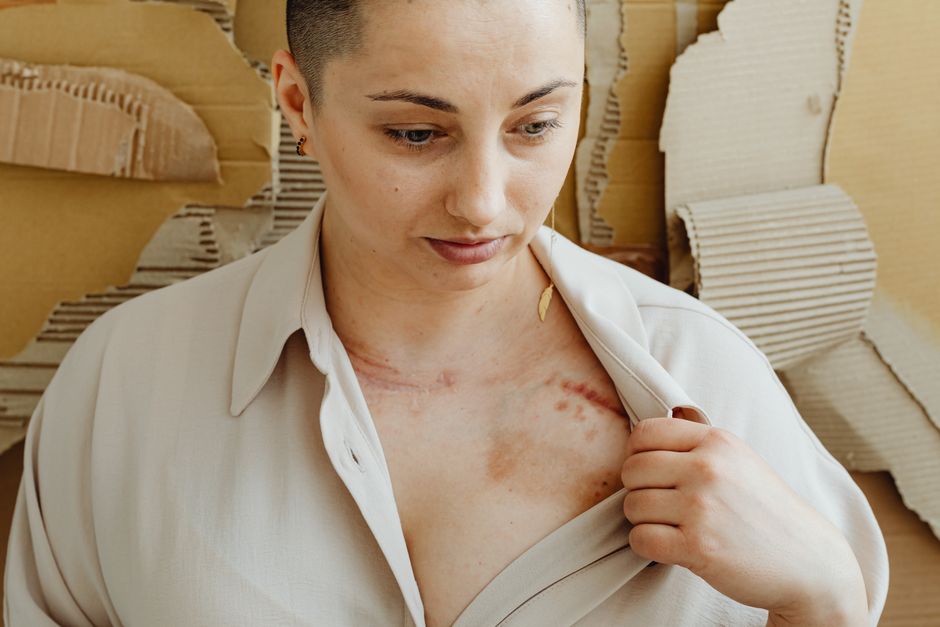
Real-Life Impact
Consider the case of a patient with keloid scars from her initial breast surgery. After undergoing breast augmentation scar revision surgery, her scars were significantly reduced in size and discomfort. She felt much more confident wearing a wider variety of clothing and reported a boost in self-esteem.
By understanding the types of scars and the treatments available, you can make an informed decision about the best approach for your breast augmentation scar revision surgery. For more information on the steps involved in the surgery, continue reading the next sections.
Steps Involved in Breast Augmentation Scar Revision Surgery
Anesthesia Options
The first step in breast augmentation scar revision surgery is anesthesia. This ensures you are comfortable and pain-free during the procedure.
- Local Anesthesia: Numbs only the area around the scar. You remain awake but won’t feel pain.
- Intravenous (IV) Sedation: You are relaxed and semi-conscious, often not remembering the procedure.
- General Anesthesia: You are completely asleep and unaware during the surgery. This is commonly used for more extensive revisions.
Your surgeon will recommend the best option based on your specific needs and the complexity of the procedure.
Topical Treatments
Topical treatments are non-invasive methods to improve scar appearance and aid in healing.
- Gels, Tapes, and External Compression: These can help in wound closure and reduce irregular pigmentation. They are often used to treat surface scars and discoloration.
- Wound Healing Products: Aid in the healing process post-surgery by keeping the area moist and protected, reducing scar formation.
Injectable Treatments
Injectable treatments can help modify the appearance and texture of scars.
- Dermal Fillers: Used to fill in sunken or depressed scars. Results can last from a few months to several years, depending on the filler used.
- Steroidal Injections: Reduce collagen formation, helping to flatten and soften raised scars. These injections can also reduce discomfort and itching.
Surface Treatments
Surface treatments aim to improve the texture and color of the skin over the scar.
- Dermabrasion: A mechanical polishing of the skin to smooth out irregularities.
- Laser Therapy: Uses focused light to remove the top layers of skin, promoting the growth of new, healthy skin.
- Chemical Peels: Apply a solution to the skin that causes it to exfoliate and peel off, revealing smoother skin underneath.
- Skin Bleaching Agents: Lighten the skin to make the scar less noticeable.
Surgical Excision and Layered Closure
For deeper scars, surgical excision may be necessary.
- Incision: The surgeon makes a precise cut to remove the old scar.
- Sub-Dermal Closure: Layers of tissue are stitched together starting from beneath the skin surface to reduce tension.
- Flap Closures: Techniques like W-plasty or Z-plasty reposition the scar to make it less noticeable.
- Layered Closure: Multiple layers of sutures ensure that the wound heals properly, reducing the risk of wide scars.
Tissue Expansion
Tissue expansion is used when there isn’t enough healthy skin to close the wound after scar removal.
- Inflatable Balloon: A balloon is placed under the skin near the scar and gradually filled with sterile solution to stretch the skin.
- Final Steps: Once the skin is sufficiently stretched, the balloon and scar are removed, and the expanded skin is used to close the wound.
This method can involve multiple stages but provides excellent results for extensive scar revisions.
By following these steps, breast augmentation scar revision surgery can significantly improve the appearance and comfort of scars, helping you feel more confident and satisfied with your results.
Benefits of Breast Augmentation Scar Revision Surgery
Improve Appearance
One of the most significant benefits of breast augmentation scar revision surgery is the improvement in the appearance of scars. A well-executed revision can transform a noticeable, raised, or discolored scar into a fine line that blends seamlessly with the surrounding skin. The goal is to make the scar as inconspicuous as possible, enhancing your overall look and making you feel more confident in your appearance.
Improve Functionality
Scars can sometimes restrict movement, especially if they are tight or located near joints. Scar revision surgery can release tight scar tissue, restoring mobility and improving the function of the affected area. This is particularly beneficial for contracture scars, which can impair normal movement.
Alleviate Discomfort
Scars are not just a cosmetic issue; they can also cause physical discomfort. Raised or irritated scars may be itchy, tender, or even painful. Scar revision surgery can alleviate these symptoms by smoothing out the scar tissue and reducing irritation. Steroidal injections, for example, can help flatten raised scars and reduce itching.
Boost Confidence
Living with noticeable scars can take a toll on your self-esteem. Breast augmentation scar revision surgery can dramatically reduce the visibility of scars, making them less noticeable and more consistent with your natural skin. This can boost your confidence and self-esteem, helping you feel more comfortable and satisfied with your appearance.
Emotional Well-being
Addressing scars that cause self-consciousness or distress can have a profound impact on your emotional well-being. By improving the appearance and comfort of your scars, scar revision surgery can help you achieve a more positive outlook on life. You’ll likely feel more at ease in social situations and more confident in your skin.
By focusing on these benefits, breast augmentation scar revision surgery can offer a comprehensive improvement in both physical and emotional aspects of your life. Whether it’s enhancing functionality, alleviating discomfort, or boosting your confidence, the positive effects are far-reaching.
Recovery and Aftercare
Healing Time
After breast augmentation scar revision surgery, the initial healing phase typically lasts about one to two weeks. During this period, you may experience some redness, swelling, and discomfort around the incision site. Complete healing, however, can take several months. The scar will continue to mature and improve in appearance over the course of one to two years.
Wound Care
Proper wound care is crucial for optimal healing. Keep the incision site clean and dry to prevent infection. Your surgeon will likely recommend specific topical treatments, such as silicone gel or silicone sheets, to help minimize scarring. Avoid applying any harsh skincare products to the area, as these can irritate the healing tissue.
Follow-Up Appointments
Regular follow-up appointments are essential to monitor your healing progress. Your surgeon will assess the incision sites, remove any non-dissolvable stitches, and provide personalized advice on scar care. These visits are also an opportunity to address any concerns or complications that may arise during the recovery process.
Activity Restrictions
To ensure proper healing, you’ll need to follow specific activity restrictions:
- First Week: Avoid any activities that raise your blood pressure or heart rate. This includes bending, lifting, and straining.
- Weeks 2-4: Light walking is encouraged to promote healthy blood circulation, but avoid high-impact cardio or lifting heavy weights.
- Weeks 4-6: Gradually reintroduce moderate exercise, but only after getting clearance from your surgeon.
Engaging in activities that create tension at the incision sites can negatively affect your results, so it’s crucial to adhere to these guidelines.
Scar Maturation
Scars go through several stages of maturation:
- Initial Phase (0-8 months): The scar is often red and raised.
- Intermediate Phase (8-12 months): The scar darkens slightly and begins to flatten.
- Final Phase (1-2 years): The scar becomes softer, more pliable, and lighter in color.
During this time, the use of pressure, massage, and silicone gel sheeting can help accelerate the maturation process. Your surgeon will provide specific instructions on how to care for your scars to achieve the best possible outcome.
By following these recovery and aftercare guidelines, you can significantly improve the results of your breast augmentation scar revision surgery. Proper care and patience are key to achieving a smooth, less noticeable scar that blends seamlessly with your natural skin.
Frequently Asked Questions about Breast Augmentation Scar Revision Surgery
Is scar revision surgery worth it?
Absolutely. Breast augmentation scar revision surgery can significantly improve the appearance of scars, making them less noticeable and more consistent with your surrounding skin. This can boost your confidence and make you feel more comfortable in your own skin.
Benefits include:
– Improved Appearance: Scar revision can transform raised, discolored, or irregular scars into smoother, flatter, and more uniform marks.
– Discomfort Reduction: Some scars can be itchy, painful, or irritating. Revision surgery can alleviate these symptoms.
– Improved Functionality: In some cases, scars can restrict movement. Scar revision can help restore full functionality.
What is the recovery time for scar revision surgery?
Healing time varies from person to person, but here’s a general timeline:
- Initial Healing (1-2 weeks): Expect some redness, swelling, and discomfort. During this period, it’s crucial to keep the wound clean and follow your surgeon’s care instructions.
- Complete Healing (several months): The scar will continue to mature and improve over 1-2 years. During this time, the scar will soften, flatten, and lighten in color.
Wound care is essential for proper healing. Keep the incision site clean and dry, and use recommended topical treatments like silicone gel or sheets.
Expectations:
– First Week: Avoid activities that raise your heart rate or blood pressure.
– Weeks 2-4: Light walking is encouraged, but avoid strenuous activities.
– Weeks 4-6: Gradually reintroduce moderate exercise, but only with your surgeon’s approval.
Does insurance cover scar revision?
Insurance coverage for scar revision surgery is rare, as it is often considered a cosmetic procedure. However, there are exceptions:
- Functional Improvement: If the scar restricts movement or causes severe discomfort, insurance may cover the procedure.
- Symptomatic Scars: Scars that cause significant symptoms like severe itchiness may also be eligible for coverage.
Key Points:
– Cosmetic Surgery: Most insurance companies classify scar revision as elective cosmetic surgery.
– Functional Improvement: If your scar affects your daily life, your surgeon can help you gather the necessary documentation to seek insurance approval.
Always check with your insurance provider to understand your coverage options. At OC Breast Surgery, our team can assist you in navigating this process to ensure you get the best possible care.
Conclusion
At OC Breast Surgery in Newport Beach, we understand that breast augmentation scar revision surgery is a crucial step for many women who wish to improve the appearance of their post-surgery scars. Led by the esteemed Dr. Mark Anton, our team specializes in a range of breast surgeries, including augmentation, reconstruction, and revision.
Dr. Mark Anton is renowned for his expertise and commitment to achieving natural-looking results. His extensive experience and innovative techniques ensure that each patient receives personalized care custom to their unique needs.
Why Choose OC Breast Surgery?
- Expertise: Our team has successfully corrected many complex cases, providing outcomes that patients often thought were unattainable.
- Natural-Looking Results: We aim to make your scars blend seamlessly with your surrounding skin, enhancing both your appearance and confidence.
- Comprehensive Care: From initial consultation to post-operative care, we are dedicated to your well-being and satisfaction.
If you’re considering breast augmentation scar revision surgery, trust OC Breast Surgery to help you achieve the results you desire. Visit our Breast Implant Revision page to learn more and schedule your consultation today.
Feel comfortable and confident in your own skin with the help of our expert team.