
Breast Reconstruction California: Ultimate Guide 2025
Your Path to Breast Restoration in California
Breast reconstruction California offers women facing mastectomy or lumpectomy a chance to restore their physical appearance and emotional well-being. Whether you’re considering immediate reconstruction during your cancer surgery or delayed reconstruction years later, understanding your options is the first step toward making the right decision for your body and recovery.
Breast cancer will touch the lives of 1 in 8 women, and for many, reconstruction is an integral part of healing. The procedure goes beyond physical restoration—it’s about reclaiming confidence and a sense of wholeness. The main options include implant-based reconstruction, autologous tissue reconstruction (using your own tissue), or a hybrid of both. The choice depends on your body type, cancer treatment plan, radiation needs, and personal preferences. Some women prefer the faster recovery of implants, while others choose the natural feel of autologous tissue from the abdomen, thighs, or buttocks.
Advanced microsurgical techniques like the DIEP flap have transformed outcomes, allowing surgeons to reconstruct breasts using abdominal tissue without sacrificing muscle. This results in natural-looking breasts and a flatter abdomen. When looking for a surgeon, it’s crucial to find a board-certified plastic surgeon with microsurgical fellowship training and extensive experience. Federal law, under the Women’s Health and Cancer Rights Act, requires insurance coverage for reconstruction.
I’m Dr. Mark Anton, and with over 33 years of practice and thousands of breast reconstruction surgeries, I’ve dedicated my career to helping women steer their breast reconstruction California options. My specialized fellowship training under Dr. Carl Hartrampf—the father of modern breast reconstruction—and my co-creation of the Star Flap Nipple Reconstruction technique have shaped my commitment to achieving natural-looking results that help women feel whole again.
Understanding Breast Reconstruction: More Than Just Surgery
Breast reconstruction is a surgical procedure that rebuilds the shape and appearance of a breast after mastectomy or lumpectomy. But it’s more than a medical procedure—it’s a deeply personal step in your healing journey that helps restore what cancer took away. At its core, breast reconstruction California is about giving you back a sense of wholeness and helping you feel like yourself again. For a comprehensive look at what the procedure involves, you can explore What is Breast Reconstruction Surgery?.

The emotional impact of losing a breast can shake your sense of identity. The psychological benefits of reconstruction are well-documented, with women often reporting improved self-esteem, better body image, and a greater sense of control. It’s about feeling confident when you get dressed, comfortable with a partner, and whole as you move through the world.
According to the American Cancer Society, breast cancer will affect 1 in 8 women. For many, reconstruction is an empowering choice. Some women know immediately that it’s right for them, while others take time to decide. There’s no right or wrong answer. What matters most is that you have the information and support to make the choice that feels right for you. Breast reconstruction isn’t about returning to how you were before cancer—it’s about moving forward with confidence and restoring not just your physical form, but your sense of self.
Your Breast Reconstruction Options in Newport Beach
When considering breast reconstruction, we offer a range of advanced options custom to your unique needs and preferences here in Newport Beach. The primary categories include implant-based reconstruction, autologous tissue reconstruction (using your body’s own tissue), and hybrid techniques. The choice depends on factors like your body type, cancer treatment history (especially radiation), and desired outcome. For a comprehensive overview of your choices, visit Breast Cancer Reconstruction Surgery Options.
Here’s a quick comparison of the two main types:
| Feature | Implant-Based Reconstruction | Autologous Tissue Reconstruction |
|---|---|---|
| Procedure | Involves placing saline or silicone implants, often after tissue expansion. | Uses tissue (skin, fat, sometimes muscle) from another part of your body (e.g., abdomen, thigh). |
| Recovery | Generally shorter hospital stay (1-3 days) and quicker initial recovery (2-4 weeks). | Longer hospital stay (3-7 days) and more extensive initial recovery (4-6 weeks), as there are two surgical sites. |
| Feel | Can feel firmer or less natural than natural tissue. | Often provides a softer, more natural feel that mimics breast tissue. |
| Longevity | Implants are not lifetime devices; they may need replacement due to rupture, capsular contracture, or aesthetic changes. | Considered permanent; does not require replacement and typically ages with your body. |
| Donor Site | No donor site, so no additional scars or recovery area. | Involves a donor site, meaning an additional scar and recovery from that area. |
| Radiation Impact | Can be more challenging if you’ve had or will have radiation therapy, increasing risks of complications. | Often more resilient to radiation effects, as it uses healthy, vascularized tissue. |
| Aesthetics | Good volume and shape, but can sometimes look less natural or have issues like rippling. | Can achieve a very natural look and feel, and is often preferred for long-term aesthetic stability. |
Implant-Based Reconstruction: A Closer Look
Implant-based reconstruction is popular for its shorter surgery and recovery time. The process often involves two stages: first, a tissue expander is placed to stretch the skin and create a pocket. This expander is gradually filled with saline over several weeks. In a second surgery, the expander is replaced with a permanent silicone or saline implant. For select candidates, a direct-to-implant, single-stage reconstruction is possible. We often use Acellular Dermal Matrix (ADM) to support the implant and improve results. Implants are not lifetime devices and may require future maintenance. You can find more information at Breast Implants After Mastectomy.
Autologous (Natural Tissue) Flap Reconstruction
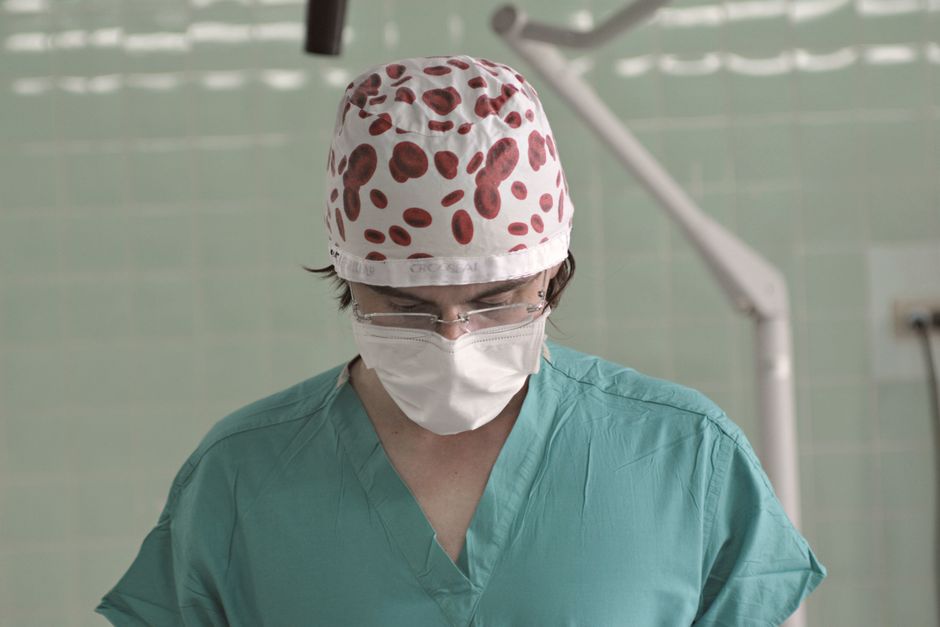
For a natural feel and a permanent solution, autologous reconstruction uses your own tissue (skin, fat, and sometimes muscle) to create a new breast. This requires microsurgery to carefully transfer tissue flaps and reattach tiny blood vessels, ensuring the flap has a healthy blood supply. The most advanced technique is the DIEP flap, which uses skin and fat from the lower abdomen while sparing the abdominal muscles. This reduces pain and recovery time compared to the older TRAM flap technique. Other options like the SGAP (buttocks) or PAP (thigh) flaps are available for patients without sufficient abdominal tissue. These methods create a soft, warm, and natural-feeling breast. Find more about these methods at New Breast Reconstruction Techniques.
Finishing Touches: Nipple and Areola Reconstruction
Once the breast mound has healed, nipple and areola reconstruction provides the final touch for symmetry and a sense of completion. Nipple reconstruction uses small pieces of skin from the new breast to create a projection, followed by specialized 3-D tattooing to create a realistic areola. For patients having one breast reconstructed, a symmetry procedure (like a lift or reduction) on the other breast is often recommended for balance. We also use techniques like fat grafting to refine contours and improve the overall aesthetic. Learn more at More info about Fat Grafting After Mastectomy.
The Reconstruction Journey: Candidacy, Timeline, and Process

Your breast reconstruction California journey begins with determining if you’re a good candidate. Most women who have had a mastectomy or lumpectomy are eligible, as are those with prophylactic mastectomies or congenital deformities. A strong candidate has good overall health and realistic expectations. Your emotional readiness is just as important as your physical health.
Several factors influence your options, including your body type, available donor tissue, lifestyle, and whether you will need radiation therapy. The timing is also a personal choice. Immediate reconstruction is performed with the mastectomy, which can soften the emotional impact. Delayed reconstruction occurs weeks, months, or years later, allowing time to complete other cancer treatments or to process the diagnosis. We coordinate with your oncology team to ensure the timing is right for your health. For a comprehensive look at the process, visit The Journey of Breast Reconstruction.
The Impact of Radiation on Your Breast Reconstruction California Options
Radiation therapy saves lives but alters the skin and tissues, making them less elastic and increasing complication risks like poor healing or capsular contracture around implants. For this reason, autologous flap surgery is often the preferred choice after radiation. It uses healthy, non-radiated tissue with a fresh blood supply, leading to more durable and natural results. If radiation is planned, we may suggest delayed-immediate reconstruction. This involves placing a tissue expander during the mastectomy to preserve the skin, then performing the final reconstruction with a flap or implant after radiation is complete and tissues have recovered.
What to Expect During Recovery
Recovery varies by procedure. Implant-based reconstruction typically involves a 1-3 day hospital stay and a 2-4 week recovery before returning to light activities. Autologous flap procedures are more extensive, with a 3-7 day hospital stay and a 4-6 week initial recovery. You will have surgical drains for 1-2 weeks to remove fluid, and we will provide instructions for managing them at home. Pain is well-managed with medication. You’ll have activity restrictions, like avoiding heavy lifting, for several weeks, but gentle walking is encouraged. Physical therapy is often essential, especially after flap surgery, to regain full range of motion. Emotional recovery is also part of the process, and leaning on your support system is key. Our team is here for you through every step.
Finding a Surgeon and Navigating Costs for Breast Reconstruction California

Finding the right surgeon for your breast reconstruction California journey is a personal and critical step. Look for a surgeon who is board-certified in plastic surgery and, for autologous procedures like the DIEP flap, has microsurgical fellowship training. This specialized training is essential for mastering the complex techniques required for natural-looking results. During your consultation, ask to see before-and-after galleries of their actual patients and read patient testimonials. These will give you insight into the surgeon’s aesthetic style and their team’s approach to patient care. We welcome you to explore our results at Before and After Breast Reconstructive Surgery.
Insurance Coverage and Costs for Breast Reconstruction California
Costs are a major concern, but federal law provides significant protection. The Women’s Health and Cancer Rights Act of 1998 (WHCRA) requires group health plans that cover mastectomies to also cover all stages of reconstruction. This includes surgery on the affected breast, procedures on the other breast to achieve symmetry, prostheses, and treatment of complications. You can find detailed Information on WHCRA from the Department of Labor. While navigating insurance can be complex, our team is here to help with the pre-authorization process and to ensure you understand your coverage, allowing you to focus on healing. For more guidance, visit Breast Reconstruction Surgery Insurance Coverage.
Why Patients Choose Newport Beach for Specialized Care
Newport Beach is a destination for world-class breast reconstruction California care because patients seek expertise in complex cases and revision surgeries. At OC Breast Surgery, we specialize in helping women who need advanced care, perhaps due to a previous reconstruction that was unsatisfactory, or a complex situation involving radiation or limited tissue. Our expertise in complex and revision surgeries means we can often help when others cannot. Dr. Anton’s decades of experience and specialized microsurgical training under Dr. Carl Hartrampf (the father of modern breast reconstruction) ensure you are in expert hands. We combine this technical skill with compassionate, personalized care, supporting you through every step of your emotional and physical journey. When you’re ready, we invite you to Find a top breast specialist in Newport Beach.
Frequently Asked Questions about Breast Reconstruction
What are the potential risks and complications?
Like any surgery, breast reconstruction has potential risks, which we discuss thoroughly during your consultation. General risks include infection, bleeding, and anesthetic complications. Risks specific to reconstruction include fluid collection, blood collection, poor healing, and changes in sensation.
Implant-based reconstruction carries risks of capsular contracture (scar tissue hardening), rupture, or deflation. There is also a very rare association with an immune system cancer (ALCL), which we minimize by using smooth implants. Flap surgery risks include partial or complete tissue loss due to blood supply issues, as well as weakness or pain at the donor site. Factors like smoking and obesity can increase risks, which we will review with you to create the safest surgical plan.
Will reconstruction make it harder to detect cancer recurrence?
No. Studies show that breast reconstruction does not increase the risk of cancer returning, nor does it make it harder to detect a recurrence. Your oncology team will continue to monitor you with standard methods like self-exams, clinical check-ups, and imaging. If you have implants, special mammogram techniques are used. Your cancer surveillance remains a top priority.
What if I’m unhappy with my initial reconstruction?
If you are dissatisfied with your initial reconstruction, know that you are not alone and options are available. We specialize in revision surgery to address these concerns. You can learn more about being unhappy with breast reconstruction after mastectomy and explore your options for breast reconstruction revision surgery.
Common reasons for revision include asymmetry, undesirable shape or volume, pain or discomfort, or implant complications. Revision surgery for breast reconstruction California patients can involve various techniques, from implant exchange and fat grafting to converting an implant to an autologous flap for a more natural result. Our goal is to refine your results, alleviate discomfort, and help you achieve the aesthetic and emotional satisfaction you deserve.
Your Path to Feeling Whole Again
Your journey through breast cancer is deeply personal, and the decision to pursue breast reconstruction California is yours alone. Understanding your options, from implants to advanced microsurgical flaps, empowers you to make choices that align with your body and goals. The path to feeling whole again requires more than just surgical skill; it demands a compassionate team who listens and supports you through every stage.
At OC Breast Surgery, we are dedicated to helping women restore not just their appearance, but their confidence. Whether you are exploring your options for the first time or seeking a revision surgery, you deserve expert and empathetic care. Dr. Mark Anton and our team have spent decades refining our approach to achieve natural, lasting results. We are honored to be part of your healing process.
Taking the next step can feel daunting, but you don’t have to do it alone. If you’re ready to explore how breast reconstruction California can help you feel whole again, we invite you to Find a top breast specialist in Newport Beach and schedule a consultation. Together, we’ll create a personalized plan to help you move forward with confidence.