
When it comes to breast removal, quick facts are what you need first. Here’s the gist:
- Breast removal is commonly called a mastectomy.
- It’s mainly done to treat or prevent breast cancer.
- There are several types: simple, modified radical, radical, skin-sparing, and nipple-sparing mastectomy.
- Recovery can vary, but generally, you can be back to regular activities in about 4 weeks.
Breast removal or mastectomy is a significant decision often associated with treating or preventing breast cancer. With the rise in breast cancer awareness, understanding the importance of mastectomies in managing this condition is crucial. These procedures are not just about removing cancer. They’re about taking a step towards healing and, for some, making a tough choice in the face of genetic risks. Whether you’re looking at a mastectomy out of necessity or as a preventive measure, it’s a journey towards health and recovery, giving many individuals peace of mind and a new lease on life.
OC Breast Surgery specializes in providing care and reconstructive options for those seeking mastectomy and breast reconstruction, prioritizing natural-looking results and addressing the complications and dissatisfaction from previous surgeries. We know navigating your surgical options can feel overwhelming, and we’re here to offer expert guidance every step of the way.
Understanding Breast Removal
Breast removal, also known as a mastectomy, is a surgical procedure primarily performed to treat or prevent breast cancer. It involves the removal of one or both breasts, partially or entirely. Let’s dive into the specifics to understand better.
Types of Mastectomy Procedures
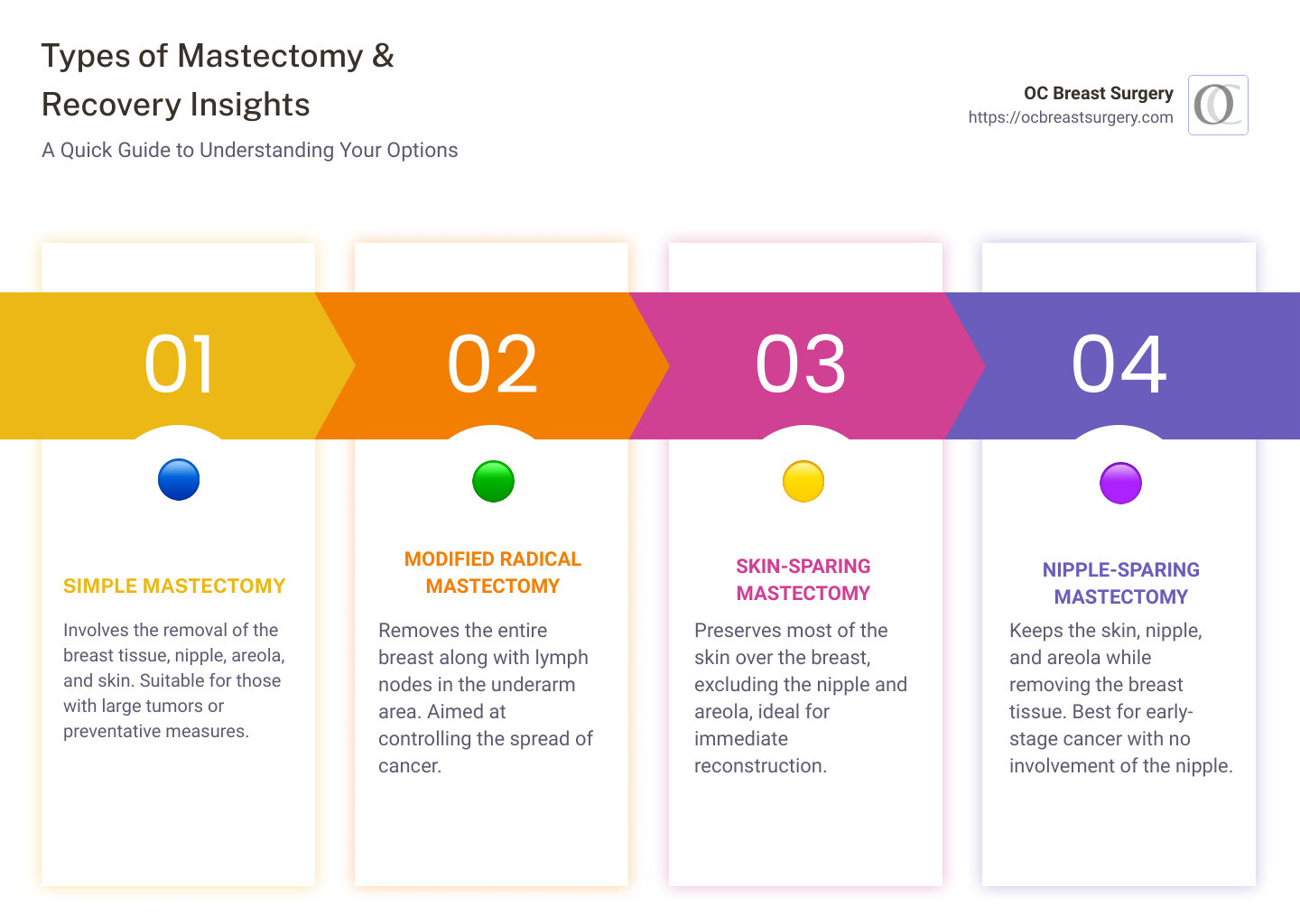
Simple Mastectomy: This procedure involves removing the entire breast, including the nipple, areola, and most of the overlying skin. It’s typically recommended when breast cancer is confined to one area that can be easily removed.

Modified Radical Mastectomy: This type goes a step further by removing the entire breast along with some of the lymph nodes under the arm. It’s chosen when cancer has spread to these lymph nodes.
Radical Mastectomy: Though rarely performed today, this procedure removes the entire breast, the chest muscles under the breast, and all of the lymph nodes under the arm. It’s considered when cancer has spread to the chest muscles.
Skin-Sparing Mastectomy: Here, the breast tissue, nipple, and areola are removed, but most of the skin over the breast is preserved. This method is often followed by immediate breast reconstruction.
Nipple-Sparing Mastectomy: Similar to the skin-sparing technique, this procedure saves the skin of the nipple and areola. It’s suitable for cases where cancer hasn’t spread to these areas.
Breast Reduction Surgery
Reduction Mammaplasty: This surgery is for reducing the size and volume of the breasts. It involves removing excess breast tissue, fat, and skin to achieve a breast size in proportion with your body. It can also alleviate discomfort associated with overly large breasts.
Excess Tissue Removal: The key part of breast reduction, this step helps in relieving physical discomfort like back and neck pain, which is often associated with large breasts.
Correcting Breast Ptosis: Breast reduction surgery also lifts the breasts, correcting droopiness and improving the breast’s overall appearance.
Breast removal, whether for cancer treatment or reduction, is a significant decision that impacts a person’s physical and emotional well-being. While mastectomy focuses on removing cancerous tissue or preventing breast cancer, breast reduction aims at improving quality of life by addressing physical discomfort and enhancing appearance. Both procedures have their specific recovery periods, with mastectomy often involving a more complex decision-making process regarding reconstruction.
At OC Breast Surgery, we understand the importance of providing personalized care tailored to each patient’s unique needs and goals. Whether you’re undergoing a mastectomy or breast reduction, our team is dedicated to supporting you through every step of your journey, from initial consultation to recovery and beyond.
Moving forward, let’s explore the reasons behind opting for breast removal, including treatment and prevention of breast cancer, and the high-risk factors that might necessitate such a decision.
Reasons for Breast Removal
Breast removal, known as mastectomy, is a significant step, often taken to treat or prevent breast cancer. Let’s dive into why some people might choose or need this surgery.
High-Risk Factors
Breast Cancer Treatment: When breast cancer is diagnosed, removing the breast tissue can be the best way to get rid of the cancer. This is especially true if the cancer is widespread or if there are multiple areas of cancer in the breast.
High Risk of Breast Cancer: Some people don’t have breast cancer but face a high risk of developing it. This could be due to their family history or specific changes in their genes.
Genetic Mutations: Changes in certain genes, like BRCA1, BRCA2, p53, and PTEN, significantly increase the risk of breast cancer. People with these mutations might choose breast removal as a preventive measure.
Disease Prevention: For those at high risk, removing the breasts can dramatically lower the risk of developing breast cancer. It’s a tough decision but can be life-saving.
To understand their risk, people often undergo Genetic Testing. This testing can show if they have mutations that increase their cancer risk. If the risk is high, they might consider a Prophylactic Mastectomy. This is surgery to remove the breasts before cancer develops, a powerful Risk Reduction strategy.
Choosing breast removal, whether for treatment or prevention, is deeply personal. It involves weighing the risks of cancer against the impacts of surgery. For many, it’s a step towards a longer, healthier life.
Mastectomy vs. Breast Reduction
When facing the decision between a mastectomy and breast reduction, understanding the differences, purposes, and recovery expectations is crucial. This choice is not only about addressing a current health issue but also considering future well-being and quality of life.
Surgical Differences
Mastectomy involves removing the entire breast, primarily to treat or prevent breast cancer. It can vary from removing just the breast tissue to also removing some of the skin, nipple, and lymph nodes if necessary.
Breast Reduction, on the other hand, is a procedure to decrease the size of the breasts by removing excess breast tissue, fat, and skin. It aims to alleviate discomfort from overly large breasts and improve the breast’s shape and size.
Purpose and Goals
The purpose of a mastectomy is mainly to treat or prevent breast cancer. For those at high risk due to genetic factors or diagnosed with breast cancer, mastectomy can be a life-saving procedure.
Breast reduction is sought for relief from physical symptoms caused by the weight of large breasts, such as back pain, neck pain, and skin irritation. It’s also pursued for cosmetic reasons, to achieve a breast size in proportion with the body.
Recovery Expectations
Recovery from a mastectomy can be more complex, especially if it includes reconstruction. Patients may spend a night or more in the hospital and face a recovery period of weeks to months, depending on the surgery’s extent and whether additional treatments like chemotherapy are needed.
Breast reduction recovery is generally quicker, with most patients returning to normal activities within two weeks. Pain, swelling, and bruising are common but usually subside within a few weeks.
Patient Considerations
Choosing between these surgeries involves personal considerations. For those with or at high risk for breast cancer, a mastectomy might be the necessary choice. However, for individuals experiencing physical discomfort or seeking a specific cosmetic outcome, breast reduction could be the preferred option.
Healthcare Provider Recommendations
Your healthcare provider’s recommendation will depend on your medical history, risk factors, and personal preferences. Discussions with your surgeon will help clarify which procedure aligns best with your health goals and lifestyle.
Cosmetic and Psychological Impacts
Both procedures have significant cosmetic and psychological impacts. A mastectomy, particularly when followed by breast reconstruction, can alter your body image and require an adjustment period. Breast reduction can also change how you see yourself but often brings immediate relief from physical discomfort and satisfaction with the body’s appearance.
OC Breast Surgery understands the complexities involved in choosing between mastectomy and breast reduction. Our team is here to guide you through understanding the benefits, risks, and what to expect, ensuring you make the best decision for your health and well-being.
Recovery and Aftercare
After breast removal surgery, whether it’s a mastectomy or breast reduction, the journey to recovery starts. This period is crucial for healing and adjusting to changes. Let’s dive into what this involves:
Complications and Management
Hospital Stay: Most women stay in the hospital for 1 to 2 nights following a mastectomy. The duration can vary based on the type of procedure and individual recovery rates.
Wound Care: Proper care of the surgical site is essential to prevent infection. You’ll receive instructions on how to care for your wounds at home, which may include cleaning the area and changing dressings.
Surgical Drain Management: Drains might be placed at the surgery site to remove excess fluids. Managing these involves measuring and recording the output and knowing when and how to empty them.
Lab Results and Follow-up: Tissue removed during surgery is sent to a lab for analysis. Results usually come back in a week or two, helping determine the next steps in treatment. Regular follow-up appointments are crucial to monitor healing and address any concerns.
Physical Rehabilitation: Exercises might be recommended to improve arm and shoulder movement after lymph node removal. It’s important to follow these guidelines to prevent stiffness and maintain mobility.
Early Complications: Short-term issues can include swelling, soreness, or hardness at the incision site. Immediate attention to symptoms like fever or unusual discharge is vital to prevent worsening.
Delayed Complications: Some complications, such as lymphedema or phantom breast pain, may appear later. Awareness and early management can mitigate these effects.
Pain Management: Pain varies among individuals. Most will receive prescriptions for pain relief. It’s important to communicate with your healthcare team if pain becomes unmanageable.
Sensation Changes: Numbness or changes in sensation around the surgery site are common. While some sensations may return over time, others could be permanent.
Emotional Support: The emotional impact of breast removal can be significant. Feelings of loss, changes in body image, and depression are not uncommon. Support from counseling, support groups, or therapy can be incredibly beneficial.

OC Breast Surgery emphasizes the importance of comprehensive aftercare. Our dedicated team supports you through every step of recovery, offering guidance on managing complications and adapting to changes post-surgery. Your well-being is our priority, and we’re here to ensure a smooth and supported recovery journey.
Next, we’ll explore the options for breast reconstruction, helping you understand the possibilities for restoring your body’s appearance post-mastectomy.
Breast Reconstruction Options
After breast removal, many people look for ways to restore their body’s appearance. This part of the journey can be about healing, both physically and emotionally. Here, we’ll break down the options for breast reconstruction, focusing on timing, techniques, and how OC Breast Surgery can support you through this process.
Immediate Reconstruction
Immediate reconstruction happens at the same time as the breast removal surgery. This option can be a relief for many, as it means waking up from surgery with the reconstruction process already underway. It can help lessen the emotional impact of losing a breast and often means fewer surgeries overall.
Delayed Reconstruction
Delayed reconstruction is chosen for various reasons. Sometimes, additional treatments like chemotherapy or radiation are needed post-mastectomy, which can affect the timing of reconstruction. Some people also need time to consider their options or heal emotionally before taking this next step. Delayed reconstruction offers flexibility, allowing surgery to be planned for a later date.
Reconstruction Techniques
There are several reconstruction techniques to consider:
- Implant-based reconstruction involves using saline or silicone implants to rebuild the breast shape.
- Autologous or flap reconstruction uses tissue from another part of your body, such as the abdomen or back, to create a new breast.
- Nipple-sparing mastectomy can preserve the nipple and areola, offering more natural-looking results for those who are candidates.
Each technique has its benefits and considerations. Your choice will depend on your medical history, body type, and personal preferences.
Cosmetic Concerns
Reconstruction is as much about cosmetic concerns as it is about physical restoration. Many people worry about scars, symmetry between breasts, and achieving a natural look. Discussing these concerns openly with your surgeon is crucial. Techniques like fat grafting can improve the final appearance, and nipple reconstruction or tattooing can add finishing touches to make you feel whole again.
OC Breast Surgery
At OC Breast Surgery, we understand the importance of feeling confident in your body after breast removal. Our team, led by experts in the field, is dedicated to providing personalized care. We’ll guide you through understanding your reconstruction options, making decisions that align with your goals, and planning your surgery with precision and care.
We believe in educating our patients, empowering you to make informed choices about your reconstruction journey. With state-of-the-art techniques and a commitment to excellence, we’re here to help you achieve the best possible results, restoring not just your body, but your confidence and quality of life.
In the next section, we’ll address some Frequently Asked Questions about Breast Removal, offering clear answers to common concerns. This information aims to provide further clarity and support as you navigate your breast cancer journey with OC Breast Surgery by your side.
Frequently Asked Questions about Breast Removal
What Happens When a Breast is Removed?
When a breast is removed, a surgical procedure called a mastectomy is performed. This involves the removal of all breast tissue, sometimes including the skin, nipple, and areola, depending on the type of mastectomy. After the breast tissue is removed, if lymph nodes are involved, they may also be taken out to check for the spread of cancer. In many cases, breast reconstruction can be done immediately after the mastectomy or at a later time, depending on the patient’s health, treatment plan, and preference.
What is the Difference Between Mastectomy and Radical Mastectomy?
A mastectomy, often referred to as a total or simple mastectomy, involves the removal of the entire breast, including all breast tissue and sometimes the skin, nipple, and areola. However, it typically doesn’t involve the removal of lymph nodes or muscle tissue from beneath the breast.
A radical mastectomy is more extensive. It involves the removal of the entire breast, the underlying chest muscles (pectoral muscles), and the lymph nodes under the arm (axillary lymph nodes). This type of surgery is less common today and is usually only performed when the breast cancer has spread to the chest muscles.
Is Breast Removal a Major Surgery?
Yes, breast removal is considered major surgery. It requires general anesthesia and involves significant changes to the body. The length of the surgery and the recovery time can vary depending on the type of mastectomy, whether reconstruction is performed at the same time, and the individual’s overall health. Most people will spend some time in the hospital after the surgery to monitor their initial recovery. After going home, it may take weeks to months to fully recover, and support from healthcare providers, family, and friends is crucial during this time.
Breast removal, whether for treating cancer or reducing risk, is a significant decision that impacts not only the physical body but also emotional well-being. OC Breast Surgery is committed to guiding you through every step of this journey, ensuring you have the information and support needed to make the best decisions for your health and happiness.
Conclusion
At OC Breast Surgery, we understand that the journey through breast removal, whether for treatment or risk reduction, is deeply personal and impactful. Our commitment is to provide you with the highest level of care, expertise, and support throughout this transformative process.
Why Choose OC Breast Surgery?
Expertise and Excellence: Our team, led by Dr. Mark Anton, brings years of specialized experience in breast surgery. Dr. Anton’s accolades and innovative contributions, including the Star Flap Nipple Reconstruction technique, underscore our commitment to excellence and leading-edge care.
Comprehensive Care: From initial consultation to post-operative recovery, we offer a holistic approach to care. Our services encompass a wide range of procedures, including mastectomy, breast reduction, and reconstruction options, tailored to meet your unique needs and goals.
Support and Education: We believe informed decisions are empowered ones. Our mission is to educate and support you through every step, providing clear, accessible information and answering all your questions. Our approach ensures that you feel confident and secure in your care choices.
Personalized Solutions: Recognizing that each patient’s journey is unique, we offer personalized care plans designed to achieve the best outcomes for your health, appearance, and emotional well-being. Whether you’re seeking reconstruction after breast removal or a reduction for comfort and confidence, we’re here to help you navigate your options and achieve your desired results.
Community and Compassion: At OC Breast Surgery, you’re more than a patient—you’re part of our community. We understand the emotional complexities of breast removal and strive to provide a compassionate, supportive environment where you feel understood and valued.
As you consider your options for breast removal or reduction, know that OC Breast Surgery is here to support you with expertise, care, and compassion. We invite you to learn more about our breast reduction services and how we can help you through your journey to recovery, health, and confidence.
Breast removal, whether for treatment or risk reduction, is a significant step. But with OC Breast Surgery by your side, you’re not alone. Together, we’ll navigate this journey, focusing on your health, well-being, and the restoration of your self-image and quality of life.
Let us be your trusted partner in care. Reach out today to begin a conversation about how we can support you through your breast removal and reconstruction journey.