
Can I breastfeed after areola reduction surgery: 1 Pro
Understanding Your Breastfeeding Options After Areola Reduction
Can I breastfeed after areola reduction surgery is one of the most important questions women ask when considering this cosmetic procedure. The answer depends on several key factors:
Quick Answer:
- Yes, breastfeeding is often possible after areola reduction surgery
- Success depends on surgical technique – nerve and milk duct preservation is crucial
- Timing matters – waiting 5+ years between surgery and pregnancy improves outcomes
- Individual factors vary – healing, pre-existing milk supply, and overall health all play a role
- Professional support helps – lactation consultants can maximize your chances of success
Many women worry that areola reduction will completely prevent breastfeeding, but research shows this isn’t necessarily true. While the surgery can affect milk production and nipple sensation, the specific technique used and how well your body heals make a significant difference.
The key is understanding what happens during the procedure and how it might impact your milk ducts and nerves. Some surgical approaches preserve more of the structures needed for successful breastfeeding than others.
As Dr. Mark Anton, I’ve performed thousands of breast surgeries over 33 years and frequently counsel patients about can I breastfeed after areola reduction surgery concerns during consultations. My experience has shown that with proper surgical technique and postpartum support, many women successfully breastfeed after areola reduction procedures.
Can i breastfeed after areola reduction surgery word list:
Understanding Areola Reduction and Its Impact on Breastfeeding
Areola reduction surgery is a cosmetic procedure designed to reduce the size of the pigmented skin around the nipple, known as the areola. Women often seek this surgery if they feel their areolas are disproportionately large, either due to genetics, pregnancy, or breastfeeding. Our goal at OC Breast Surgery is to help our patients achieve a more aesthetically pleasing breast contour that aligns with their body image.
The primary surgical goal of areola reduction is to reduce the circumference of the areola while maintaining a natural appearance and, crucially for many, preserving nipple sensation and the ability to breastfeed. It’s a delicate balance, and the technique chosen by your surgeon plays a pivotal role in the outcome, especially concerning lactation.
More info about Areola Reduction Surgery
How Areola Reduction is Performed
When we perform areola reduction, the most common technique involves making an incision along the outer edge of the areola, where the pigmented skin meets the lighter breast skin. An additional inner incision is made to define the new, smaller areola size. The excess pigmented tissue between these two incisions is then carefully removed.
The remaining outer areola skin is then brought inward and sutured to the edge of the new, smaller inner areola. This technique is often referred to as a “donut lift” or “periareolar mastopexy” when combined with a breast lift. The incisions are typically placed within the pigmented area of the areola itself or at its border, making the resulting scars generally less noticeable.
A key aspect of this procedure, particularly when future breastfeeding is a consideration, is the preservation of the nipple-areolar complex (NAC). This means ensuring that the nipple itself, along with its underlying milk ducts and nerves, remains connected to the deeper breast tissue. Unlike some more extensive breast reduction or lift procedures that might involve a “free nipple graft” (where the nipple is completely detached and reattached), areola reduction typically aims to keep the nipple stalk and its vital connections intact. This preservation is paramount for maintaining the pathways necessary for milk production and ejection.
Key Risks to Lactation
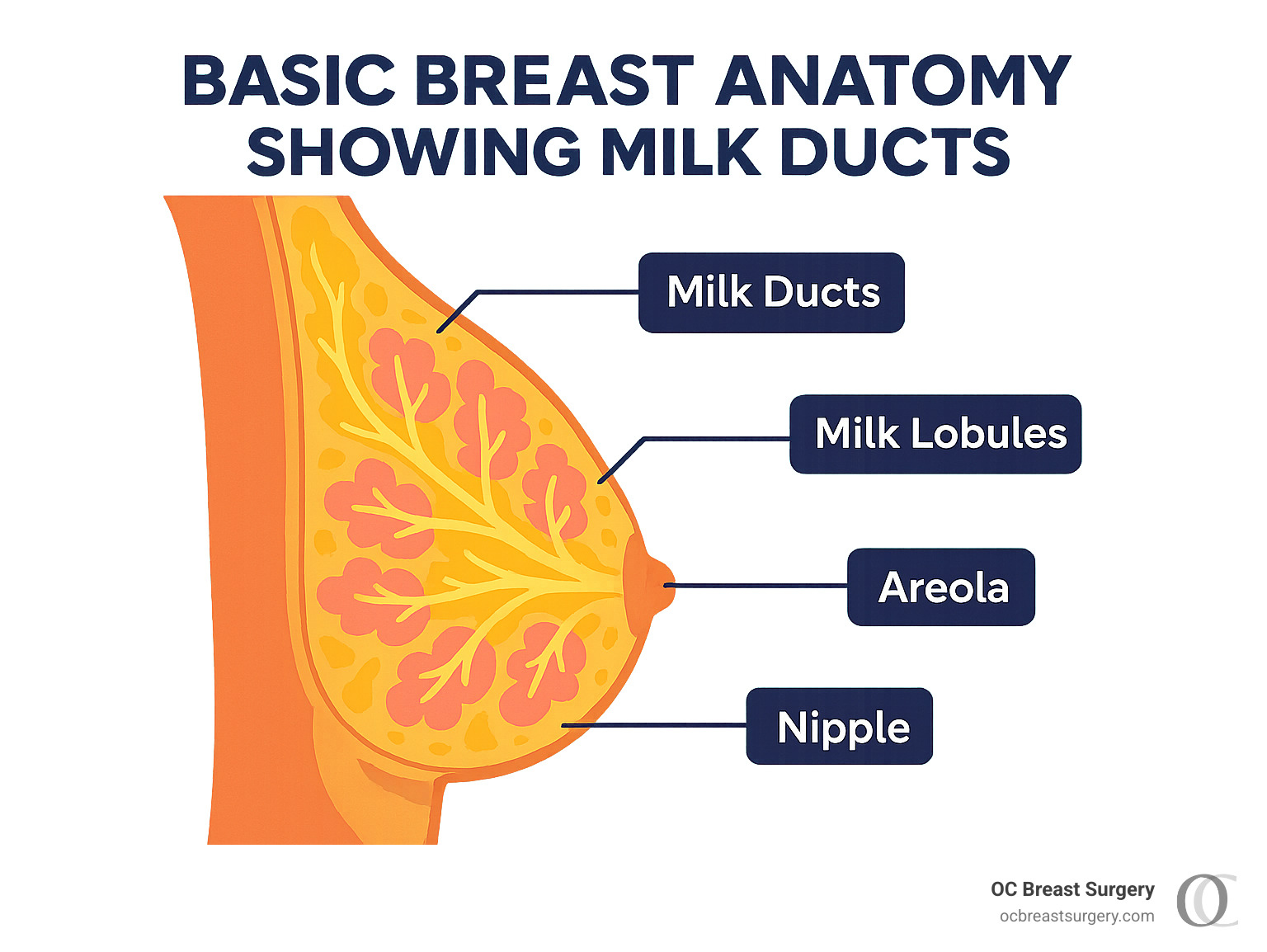
While areola reduction is generally less invasive than full breast reduction surgery, it still carries potential risks, especially concerning your ability to breastfeed. The main concerns revolve around the delicate structures within the breast that are essential for lactation:
- Nerve Damage: The nerves around the areola are critical for sending signals to the brain that trigger the release of prolactin (the hormone that tells your body to make milk) and oxytocin (the hormone responsible for the milk “let-down” reflex). If these nerves are cut or damaged during surgery, it can lead to reduced nipple stimulation, impacting both milk production and your ability to release milk. Studies suggest that if nerves are affected, it can take up to two years for them to regenerate.
- Severed Milk Ducts: The areola is home to numerous milk ducts that transport milk from the glandular tissue to the nipple. Although surgeons aim to preserve these, there’s always a risk that some ducts may be severed during the removal of areolar tissue. If too many ducts are compromised, it can impair milk flow and reduce the overall milk-carrying capacity of the breast.
- Reduced Nipple Stimulation: Even without direct nerve damage, scar tissue formation around the areola can sometimes lead to reduced sensation or stiffness, making it harder for the baby’s suckling to effectively stimulate the nipple. This can indirectly affect both milk production and the let-down reflex.
- Impaired Milk Flow: Scar tissue can also potentially kink or block milk ducts, further impeding the flow of milk to the nipple. While milk ducts can sometimes grow back together or form new pathways over time (a process called recanalization), this isn’t guaranteed and can take time.
The extent of these risks depends heavily on the specific surgical technique used, the amount of tissue removed, and your individual healing process. It is generally advised to postpone nipple and areola reduction surgery if future breastfeeding is planned, or to discuss the potential impact on breastfeeding with your surgeon extensively. Some surgeons may even require a waiting period of 3 to 6 months after childbirth and breastfeeding cessation before performing the procedure.
Can I Breastfeed After Areola Reduction Surgery? Factors That Influence Success
If you’re asking yourself “can I breastfeed after areola reduction surgery?” – you’re not alone. This is honestly one of the most common concerns I hear from patients during consultations. The encouraging news is that many women do successfully breastfeed after this procedure, but your success depends on several important factors working together.
Think of it this way: breastfeeding after areola reduction isn’t guaranteed, but it’s definitely not off the table either. The key is understanding what influences your chances and making informed choices from the very beginning.
Your body’s ability to produce and deliver milk after surgery depends on how well the procedure preserves the delicate network of nerves and milk ducts that make breastfeeding possible. Some surgical approaches are much better at protecting these vital structures than others.
Breast Surgery and Breastfeeding guidance from the CDC
How Surgical Technique Affects Your Ability to Breastfeed
The way your surgeon performs your areola reduction makes all the difference in the world when it comes to preserving your ability to breastfeed. At OC Breast Surgery, we always prioritize techniques that give you the best chance of maintaining lactation function.
Pedicle preservation is absolutely crucial. The pedicle is essentially the lifeline connecting your nipple and areola to the deeper breast tissue. This small but mighty piece of tissue contains all the blood vessels, nerves, and milk ducts that make breastfeeding possible. When we can preserve a wide, healthy pedicle during surgery, we’re protecting the highways your body needs to produce and deliver milk.
Nipple-sparing techniques are the gold standard for areola reduction. Since we’re typically only reducing the size of the areola itself and leaving the nipple attached, this approach naturally preserves more of the structures you need for successful breastfeeding. Your nipple stays connected to its nerve and blood supply throughout the entire procedure.
Free nipple grafts are rarely needed for simple areola reduction, which is great news for your breastfeeding goals. This more extensive technique involves completely detaching and reattaching the nipple, which severs all those important connections. If your surgeon suggests this approach, it’s definitely worth discussing why and what it might mean for your lactation plans.
The blood supply and nerve pathways around your nipple and areola are incredibly delicate. An experienced surgeon knows exactly how to work around these structures, minimizing trauma while still achieving your aesthetic goals. When these pathways stay intact, your body can still receive and respond to the signals that trigger milk production.
Surgeon expertise really matters here. Board-certified plastic surgeons who regularly perform breast procedures understand the intricate anatomy involved in lactation. We’ve seen how different techniques affect outcomes, and we can tailor our approach based on your individual goals and anatomy.
More info about Breast Lift Techniques
The Importance of Nerve and Duct Integrity
Your breast’s ability to make and release milk depends on an amazing communication system between your brain, nerves, and milk ducts. When this system works properly, your baby’s suckling sends signals to your brain to release hormones that both produce milk and help it flow.
The fourth intercostal nerve plays a starring role in this process. This nerve is particularly important for the let-down reflex – that tingling sensation you might feel when your milk starts to flow. If this nerve gets damaged during surgery, it can make it much harder for your body to release milk effectively.
Nipple sensation after surgery is actually a really good sign. If you can feel normal sensation in your nipple and areola after healing, it usually means the important nerves are still working properly. This is one of the reasons why we always ask patients about sensation during follow-up visits.
Your body has some amazing healing abilities too. Duct recanalization means that even if some milk ducts get damaged during surgery, they can sometimes reconnect or form new pathways over time. Nerve regeneration happens slowly but steadily – nerves grow back at about 1 millimeter per month. This means that even if you have some initial challenges with breastfeeding, things might improve over the months and years following your surgery.
Scar tissue formation can sometimes interfere with milk flow, but using precise surgical techniques and proper healing protocols helps minimize this risk. The goal is to create the smoothest healing process possible so your body can adapt for future lactation needs.
Other Factors That Increase Your Chances
Beyond surgical technique, several other factors can significantly boost your chances of successful breastfeeding after areola reduction:
- Waiting 5+ years between surgery and pregnancy gives your body maximum time for nerve regeneration and duct recanalization
- Minimal tissue removal means less disruption to the underlying structures you need for breastfeeding
- Good pre-surgery milk supply potential – if you’ve successfully breastfed before or have naturally dense breast tissue, you start with an advantage
- Overall health and healing ability affects how well your body recovers and adapts for lactation
The bottom line? While we can never guarantee that you’ll have a full milk supply after areola reduction, understanding these factors helps us work together to give you the best possible outcome. The key is having honest conversations about your goals right from your very first consultation.
Preparing for Breastfeeding After Your Procedure
If you’re considering areola reduction and have future breastfeeding goals, proactive planning is your best friend. This isn’t just about the surgery itself; it’s about setting yourself up for success long before your baby arrives. We work closely with our patients to ensure they have all the information and support they need.

What to Do Before and After Surgery if You Plan to Breastfeed
Our advice at OC Breast Surgery is always to have an open and honest conversation with your surgeon about your breastfeeding intentions.
- Discuss Goals with Your Surgeon: Before your areola reduction, clearly communicate your desire to breastfeed in the future. This allows us to choose the most appropriate surgical technique that prioritizes nerve and duct preservation. We can explain the specific approach we will use and its potential impact on lactation.
- Choosing a Technique: As discussed, techniques that maintain the nipple-areola complex’s connection to the underlying breast tissue are preferred. While areola reduction inherently aims for this, discussing it ensures all steps are taken to support your goal.
- Waiting Period Before Pregnancy: If possible, consider postponing areola reduction surgery until after you’ve completed your family. If you’ve already had the surgery, waiting at least 3 to 6 months after breastfeeding cessation (if you’ve recently had a baby) before the procedure is advisable for optimal breast settling. For future pregnancies, allowing several years (ideally over five) between your surgery and conception can significantly improve your chances of successful breastfeeding, giving your breasts and milk ducts ample time to heal and regenerate.
- Post-Op Healing: Follow all post-operative instructions diligently to ensure proper healing. Minimize any activities that could strain the surgical area. Healthy healing is foundational for healthy breast function.
More info about Breast Surgery Recovery Tips
Signs Your Baby is Getting Enough Milk
Even with the best surgical outcome, it’s natural to worry about your milk supply. Knowing the signs of successful feeding is crucial for peace of mind.
- Consistent Weight Gain: After an initial loss of 7-10% of birth weight in the first 2-4 days (which is normal), your baby should regain this and then gain about an ounce a day for the first four months once your milk comes in. Your pediatrician will monitor this closely.
- Diaper Output: After the first 3-5 days postpartum, expect at least 3 or more soiled diapers and 6 or more wet diapers per day. Wet diapers should be heavy with clear or pale yellow urine.
- Baby’s Contentment: A baby who is getting enough milk will typically appear satisfied and relaxed after feedings.
- Audible Swallowing: You should hear rhythmic sucking with audible swallows, indicating milk transfer.
- Rhythmic Sucking Patterns: Look for a pattern of deep, slow sucks and swallows, rather than just quick, fluttery sucks. Babies should feed vigorously for at least 15-20 minutes at each breast.
Tips for Maximizing Milk Supply
If you find yourself in a situation where your milk supply is lower than anticipated after areola reduction, there are many strategies you can employ to boost it:
- Frequent Nursing: The more frequently milk is removed from the breast, the more milk your body will produce. Aim to feed your baby on demand, typically every 2-3 hours in the early weeks.
- Pumping After Feeds: After your baby has nursed, use a hospital-grade double electric breast pump to remove any residual milk. This signals your body to produce more.
- Skin-to-Skin Contact: This wonderful practice not only promotes bonding but also stimulates milk production hormones in the mother.
- Breast Compression: While your baby is nursing, gently compress your breast to help express more milk into their mouth. This ensures more complete emptying and further stimulates production.
- Staying Hydrated and Proper Nutrition: Your body needs adequate fluids and nutrients to produce milk.
- Avoiding Pacifiers Initially: In the first two weeks postpartum, avoid pacifiers or bottle nipples unless medically necessary. This encourages your baby to suckle at the breast more frequently, which is vital for establishing your milk supply.
Every drop of breast milk is beneficial for your baby, even if you can’t produce a full supply. Many mothers successfully combine breastfeeding with supplementation.
Finding Support and Additional Considerations
Navigating breastfeeding after any breast surgery can feel overwhelming, but here’s the truth: you don’t have to figure this out alone. Whether you’re wondering can I breastfeed after areola reduction surgery or you’re already on your breastfeeding journey, having the right support team makes all the difference.

The reality is that many women successfully breastfeed after areola reduction surgery, but they often do it with help from professionals who understand the unique challenges that can arise. Think of it as assembling your dream team – people who’ve seen it all and know exactly how to help you succeed.
Where to Find Professional and Peer Support
When it comes to professional support, International Board Certified Lactation Consultants (IBCLCs) are your best allies. These aren’t just people who like babies – they’re highly trained professionals who understand the intricate science of lactation. Many IBCLCs have extensive experience working with mothers who’ve had breast surgery, so they know exactly what to look for and how to help you maximize your milk production.
La Leche League International has been supporting breastfeeding mothers for decades, and their mother-to-mother approach can be incredibly comforting. There’s something powerful about hearing from other women who’ve walked this path before you.
For women specifically dealing with breast surgery concerns, Breastfeeding after Reduction Surgery (BFAR.org) resources offers a treasure trove of information and a supportive online community. While their focus is primarily on breast reduction, much of their guidance applies to areola reduction as well. They emphasize an encouraging truth: far more women abandon breastfeeding due to lack of support and education than actual physical inability to produce milk.
Don’t overlook local hospital support groups either. Many hospitals in your area offer weekly or monthly gatherings where new mothers can connect with lactation professionals and share their experiences. Sometimes just knowing you’re not the only one facing these challenges can provide enormous relief.
How can I prepare if I want to breastfeed after areola reduction surgery?
Preparation truly is your secret weapon for breastfeeding success after surgery. The more you know ahead of time, the more confident you’ll feel when your baby arrives.
Start with a prenatal consultation with an IBCLC – ideally during your third trimester. This isn’t just about getting advice; it’s about creating a personalized roadmap for your unique situation. Your lactation consultant will want to know details about your surgery, when it was performed, and what technique was used. This information helps them anticipate potential challenges and develop strategies custom specifically to you.
Creating a comprehensive feeding plan with your healthcare team is crucial. This plan should include how you’ll monitor your baby’s milk intake and growth, especially in those critical first few weeks. Your team might recommend techniques like weighted feeds, where your baby is weighed before and after nursing to measure exactly how much milk they’re getting.
Learning hand expression techniques before your baby arrives can be incredibly valuable. Hand expression is often more effective than pumping in the first few days postpartum when you’re producing colostrum. Plus, it’s a skill that doesn’t require any equipment – just your hands.
Arranging for a hospital-grade breast pump ahead of time ensures you’ll have access to the most effective milk removal tool if needed. These pumps are significantly more powerful than consumer models and can be essential for establishing and maintaining your supply if your baby has difficulty nursing effectively.
Close monitoring of your baby’s weight will be especially important in your situation. Work with your pediatrician to establish a clear plan for tracking weight gain. Don’t be discouraged if supplementation becomes necessary – many mothers successfully combine breastfeeding with formula or donor milk supplementation.
Can Nipple Piercings Affect Breastfeeding Post-Surgery?
If you have nipple piercings and are considering areola reduction surgery (or have already had it), there are some additional factors to consider that could affect your ability to breastfeed.
Nipple piercings create their own scar tissue, and when combined with surgical incisions from areola reduction, this can potentially increase the overall amount of scar tissue around your nipple and areola. More scar tissue could theoretically interfere with milk ducts or nerve function, though many women with piercings breastfeed successfully.
The piercing tract itself might block some milk ducts, though this doesn’t necessarily prevent breastfeeding entirely. Some women notice milk coming out of old piercing holes during breastfeeding, which is harmless but indicates that ducts may have been affected.
The most immediate concern is safety – jewelry poses a serious choking hazard for your baby if it becomes dislodged during feeding. For this reason, all nipple jewelry must be removed before breastfeeding sessions.
Infection risk is another consideration, especially with newer piercings. An infection in the nipple area could spread to breast tissue, potentially causing mastitis.
Most lactation experts recommend removing nipple jewelry during the second trimester of pregnancy and keeping it out throughout your entire breastfeeding journey. If you have active piercings, discuss them openly with both your surgeon and your lactation consultant so they can factor this into your overall breastfeeding plan.
Every woman’s journey is different, and having realistic expectations while staying optimistic is key to your success.
Conclusion
The journey to can I breastfeed after areola reduction surgery doesn’t have to end with uncertainty. While every woman’s experience is unique, the encouraging truth is that many mothers successfully breastfeed after this procedure. Your dreams of both feeling confident about your body and nourishing your baby can often coexist beautifully.
The path to success hinges on several key factors that we’ve explored together. Surgical technique makes all the difference – when your surgeon prioritizes preserving those precious milk ducts and nerve pathways, you’re already ahead of the game. Time truly is a healer – allowing five or more years between your surgery and pregnancy gives your body the best chance to regenerate and adapt.
Perhaps most importantly, preparation and support are your superpowers. Working with experienced lactation consultants, understanding what to watch for in your baby, and having realistic expectations can transform what might feel overwhelming into a manageable journey. Even if your milk supply isn’t what you initially hoped for, every drop of breast milk you provide is a gift to your baby.
Your definition of breastfeeding success is entirely personal. Whether that means exclusively breastfeeding, combination feeding, or simply enjoying those precious bonding moments during nursing – it’s all valid and wonderful.
At OC Breast Surgery in Newport Beach, CA, Dr. Mark Anton and our team understand that your surgical decisions today impact your life for years to come. We’re committed to helping you achieve your aesthetic goals while keeping your future family plans at the heart of every decision. During your consultation, we’ll discuss not just how your results will look, but how they’ll work for the life you’re planning.
Your journey deserves expert guidance from the very beginning. We’d love to help you explore how areola reduction can fit into your overall wellness and family planning goals.