
Gynecomastia Surgery Procedure: Transformative 2025
Understanding Male Breast Enlargement and Your Path Forward
A gynecomastia surgery procedure is a medical treatment that removes excess breast tissue and fat in men, restoring a flatter, more masculine chest. The procedure typically involves one or more of these techniques:
1. Liposuction – Removes excess fat through small incisions using a thin tube (cannula).
2. Excision – Surgically removes glandular breast tissue and excess skin.
3. Combination Technique – Uses both liposuction and excision for optimal results.
Affecting more than half of men at some point, enlarged male breasts can be caused by hormonal changes, aging, genetics, medications, or weight fluctuations. This condition often impacts self-confidence, leading many to avoid social situations or feel uncomfortable with their appearance.
Fortunately, gynecomastia surgery is a proven solution with high satisfaction rates. More than 91% of patients are happy with their results and recommend the procedure.

It’s crucial to distinguish between true gynecomastia (excess glandular breast tissue) and pseudogynecomastia (excess fatty tissue) to determine the right treatment. True gynecomastia requires surgical excision of the firm glandular tissue, while pseudogynecomastia may only need liposuction.
As Dr. Mark Anton, I have dedicated my 33-year career to specialized breast surgery, including comprehensive gynecomastia treatment. My experience with the gynecomastia surgery procedure allows me to create customized plans that address each patient’s unique anatomy and goals, restoring their physical contour and confidence.
Are You a Candidate? Diagnosis and Initial Steps
If you’re concerned about changes in your chest, understanding the cause is the first step toward a solution. The path to clarity begins with a physical exam and a conversation about your medical history, including when the changes started, your medications, and your family history. Common triggers include hormonal imbalances during puberty, certain medications, and genetics. Understanding the cause is essential before determining if a gynecomastia surgery procedure is right for you.
How is gynecomastia diagnosed?
Diagnosis involves a careful medical exam of your breast tissue. To get a complete picture, we may use diagnostic tests. Blood tests can reveal hormonal imbalances, while a mammogram helps identify the tissue type. In some cases, imaging like CT scans, MRI scans, or a tissue biopsy may be needed to rule out other conditions with similar symptoms and ensure we’re treating the right problem. For more guidance, see our page on How to Know If You Have Gyno.
What conditions can cause symptoms similar to gynecomastia?
Not all chest enlargement is true gynecomastia. Pseudogynecomastia, which is excess fatty tissue, may respond to weight loss. We also rule out rare but important conditions like male breast cancer, mastitis (inflamed breast tissue), and lipoma (a harmless fatty lump) to ensure an accurate diagnosis.
Does gynecomastia always require treatment?
Gynecomastia often resolves on its own, especially in teenagers, as hormone levels balance out within a couple of years. For these young men, an observation period may be all that’s needed. However, if the condition persists, causes pain, or significantly impacts your emotional well-being, treatment is a worthwhile consideration.
Non-surgical treatment options for gynecomastia
While surgery delivers the most dramatic results, non-surgical options are sometimes explored first. If hormonal imbalances are the cause, medications like Tamoxifen or Raloxifene may help. If a medication you’re taking is the trigger, we can work with your doctor to find an alternative. For pseudogynecomastia, weight loss and exercise can make a difference, but they will not eliminate true glandular tissue.
Ideal Candidates for Surgery
The best candidates for surgery are men in good physical health who have reached a stable weight. They should be non-smokers, as smoking impairs healing. Most importantly, ideal candidates have realistic expectations and are bothered by their chest’s appearance. We also look for men whose breast development has stabilized. If you’re dealing with enlarged nipples, we also offer targeted Puffy Nipples Treatment to create a more natural contour.
Support and Coping Strategies
Living with gynecomastia can take an emotional toll. During an observation period, emotional support from family, friends, or support groups can provide comfort. Our surgical team at OC Breast Surgery offers guidance and resources, including counseling referrals, to support you through this journey. It’s about reclaiming your confidence and feeling comfortable in your own skin again.
The Pre-Operative Journey: Consultation and Preparation in Newport Beach
Once you decide to explore surgery, the pre-operative phase begins. Careful planning at this stage sets you up for the results you’re hoping for.
Choosing a Qualified Surgeon
Choosing your surgeon is the most important decision in this process. Look for a board-certified surgeon with extensive experience specifically in male breast reduction. At OC Breast Surgery in Newport Beach, our practice is built on breast surgery expertise. When evaluating surgeons, review their before-and-after photos to assess their skill in creating natural, masculine contours. Ask about their experience with the gynecomastia surgery procedure; a confident surgeon will share this information. Specialized fellowship training in procedures like liposuction and chest contouring often leads to better results.
Your Consultation: What to Expect and Questions to Ask
Your consultation in Newport Beach is a conversation about your goals and concerns. We will perform a thorough assessment of your chest and explain a recommended surgical plan customized to your anatomy. We’ll walk you through anesthesia options, the recovery timeline, and transparently discuss costs.
Come prepared with questions. Key topics to cover include:
- The recommended surgical technique for your case (liposuction, excision, or combination).
- Incision placement and expected scarring.
- Potential risks and realistic final results.
- When you can return to work and exercise.
We are proud to share before-and-after photos of our previous patients to demonstrate the natural contours we achieve. If you have concerns about areola size, we can discuss options like Areola Reduction Men as part of your plan. You should leave feeling informed and confident.
Preparing Your Body for the Procedure
In the weeks before your gynecomastia surgery procedure, your preparation directly impacts your safety and results. We will provide detailed pre-operative instructions. This typically includes lab testing and requires you to stop certain medications like blood thinners and anti-inflammatory drugs.
Smoking cessation is critical, as tobacco severely impairs healing. We recommend stopping several weeks before surgery. Good hydration and nutrition will also support your body’s healing process. Finally, arrange for help during recovery. You will need someone to drive you home and assist you for the first few days. Following these instructions carefully sets you up for the smoothest possible experience.
The Gynecomastia Surgery Procedure Explained
The day of your gynecomastia surgery procedure is a major step toward a more confident you. This is typically an outpatient procedure, meaning you’ll go home the same day. Most surgeries take 1 to 2 hours, depending on the techniques used.
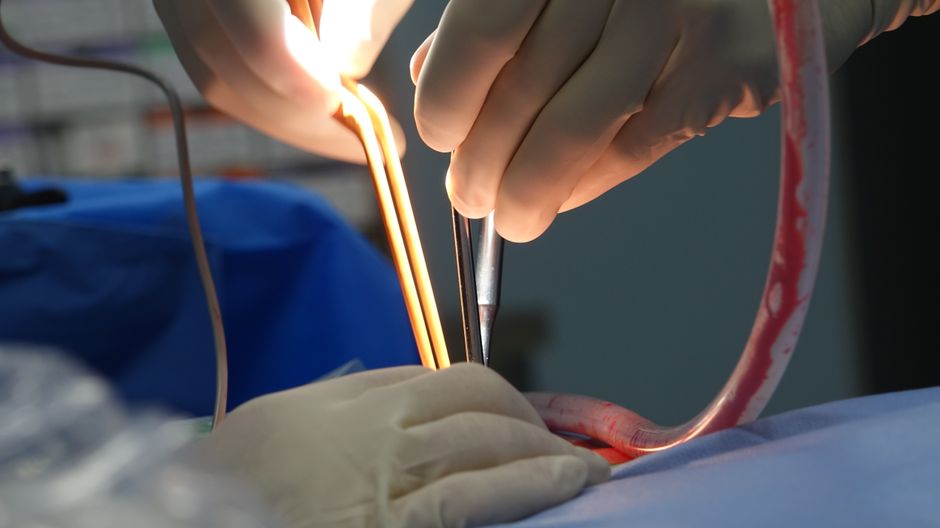
We will administer either intravenous sedation or general anesthesia to ensure you are completely comfortable. Our experienced anesthesia team monitors you closely from start to finish, prioritizing your safety.
The Liposuction Gynecomastia Surgery Procedure
When excess fatty tissue is the main concern, liposuction is a highly effective solution for sculpting the chest with minimal scarring. We make small incisions (about 5mm) along the areola’s edge or in the armpit. A sterile tumescent fluid is injected to numb the area and minimize bleeding. A thin tube called a cannula is then inserted to loosen and suction out the fat, allowing for precise contouring. The resulting scars are very small and fade significantly over time. You can learn more about the steps at Gynecomastia Surgery Procedure Steps.
The Excision (Surgical Gland Removal) Gynecomastia Surgery Procedure
True gynecomastia involves dense glandular tissue that liposuction cannot remove, requiring surgical excision. This technique is also used to remove significant excess skin. We typically use a periareolar incision (often a Webster incision) along the lower half of the areola’s border. This placement allows the scar to blend with your natural anatomy. Through this incision, we remove the excess glandular tissue and, if necessary, loose excess skin to create a tighter chest contour. In some cases, we may need to reposition the nipple and areola for a more natural look. We also offer specialized Nipple Reduction Men procedures to address aesthetic concerns about nipple size or projection.
Combination Technique for Optimal Contouring
Most gynecomastia cases involve both fatty and glandular tissue. For this reason, the combination technique—using both liposuction and excision—is our most common approach. Liposuction sculpts the broader chest area by removing fat, while excision removes the stubborn glandular tissue beneath the nipple. This combined approach addresses both fat and glandular tissue, allowing us to achieve the best contouring results possible. The plan is completely custom to your individual anatomy, ensuring we tailor the techniques to your specific needs.
| Technique | Primary Target | Incision Size | Best For |
|---|---|---|---|
| Liposuction | Excess Fatty Tissue | Small (5mm) | Pseudogynecomastia, mild fatty gynecomastia |
| Excision | Glandular Tissue, Skin | Periareolar, larger | True gynecomastia, excess skin |
| Combination Technique | Fatty & Glandular Tissue, Skin | Combination of above | Most cases, optimal contouring |
Recovery and Results: Your Newfound Confidence
You’ve made it through your gynecomastia surgery procedure—congratulations! Now, patience is key as your body heals and your new chest contour emerges.
Immediately after surgery, some soreness, swelling, and bruising are normal. We will provide pain medication for your comfort. Small drainage tubes may be placed to prevent fluid buildup and are typically removed within a few days. Your compression garment is essential for recovery; it minimizes swelling and helps your skin conform to its new shape. You’ll wear it continuously for the first few weeks as directed.
The Recovery Timeline: Week by Week
While everyone heals differently, here is a general timeline for recovery from a gynecomastia surgery procedure:
- The First Week: This is a time for rest. Discomfort is manageable with prescribed medication. Avoid lifting or reaching. Most men with desk jobs can return to work within 5-7 days.
- Weeks 2-4: Swelling and bruising will noticeably fade. You can begin light exercise like walking. Continue wearing your compression garment as advised, but you’ll start feeling more like yourself.
- Months 1-3: The majority of swelling resolves, and your chest contour becomes much more defined. Around the four-week mark, most men can resume regular workouts, including weight training.
- Months 3-6: Lingering swelling disappears, revealing your final results. Scars will continue to fade and flatten over the next year or two, often becoming barely noticeable.
Long-Term Outlook, Risks, and Benefits
The best news is that the results of your gynecomastia surgery procedure are permanent. The removed glandular tissue does not grow back. Maintaining a stable weight and avoiding anabolic steroids will help ensure your new chest contour lasts a lifetime.
Like any surgery, there are potential risks, including scarring, minor asymmetry, temporary sensation changes, infection, bleeding (hematoma), or fluid accumulation (seroma). We place incisions strategically to make scars as inconspicuous as possible.
Despite these risks, patient satisfaction is extremely high. The benefits go beyond appearance, with men reporting improved self-esteem and confidence. There is also the practical benefit of comfort in clothing and, for some, relief from pain or tenderness. Most importantly, the procedure restores a masculine chest appearance that aligns with how you want to see yourself. At OC Breast Surgery, we have helped countless men in Newport Beach regain their confidence with specialized Male Breast Reduction Newport Beach procedures.
Frequently Asked Questions about Male Breast Reduction
It’s natural to have questions when considering a gynecomastia surgery procedure. Here are answers to some of the most common ones we hear.
How much does gynecomastia surgery cost?
The cost of a gynecomastia surgery procedure varies because every case is unique. The final price is influenced by several factors, including the surgeon’s fee (based on experience and complexity), the anesthesia fee, and facility costs. Other expenses include post-operative garments and appointments. We provide a personalized, transparent cost estimate during your consultation with no hidden fees. Insurance coverage is rare, as most companies consider the procedure cosmetic unless there is a documented medical necessity.
Will gynecomastia come back after surgery?
The results are permanent. Once surgically removed, the glandular tissue does not grow back. However, it’s important to maintain a stable weight, as significant weight gain can cause new fatty deposits to accumulate in the chest. Additionally, major hormonal changes or the use of anabolic steroids could potentially affect your long-term results. For the vast majority of men who maintain a healthy lifestyle, the change is lasting.
How bad is the scarring?
Modern surgical techniques are designed to minimize scarring. The visibility of your scars will depend on the technique used and your body’s healing process.
- Liposuction scars are tiny (about 5mm) and placed in inconspicuous areas like a skin fold or the areola’s edge.
- Excision scars are typically hidden along the border of the areola, blending with the natural color change of the skin.
Initially, scars will appear pink and slightly raised, but they will soften, flatten, and fade over several months. Full scar maturation can take up to a year, by which time most are thin, pale, and barely visible. We provide detailed scar care instructions to optimize healing.
Begin Your Change Journey in Newport Beach
Living with gynecomastia can be isolating, but a proven path forward exists. A gynecomastia surgery procedure is about more than physical change—it’s about reclaiming the confidence and comfort you deserve. It’s about feeling at ease in your own skin, whether at the beach, in the gym, or simply getting dressed.
I’ve spent over three decades helping men achieve the masculine chest contour they desire, and the impact is profound. Patients often wish they’d taken this step sooner, describing a new sense of freedom and confidence.
Your journey starts with a conversation. At OC Breast Surgery in Newport Beach, Dr. Mark Anton and our team are committed to providing a comfortable, informative, and supportive experience. We specialize in creating natural-looking results through expert gynecomastia surgery procedure techniques, and we take pride in our personalized approach. From your first consultation to your full recovery, we will be there to guide you with expertise and care.
If you’re ready to explore how we can help you achieve your goals, we would be honored to meet with you.
Schedule your consultation for Gynecomastia Surgery in Newport Beach today. It’s time to take the first step toward the confident life you deserve.