
How long is breast implant removal recovery: 6 Easy Steps
Understanding Your Breast Implant Removal Recovery Timeline
How long is breast implant removal recovery is a primary question for patients considering explant surgery. Here’s a general overview:
Quick Answer: Typical Recovery Timeline
- Initial Recovery: 1-2 weeks for basic activities and a return to desk work.
- Moderate Activities: 3-4 weeks before resuming most normal daily activities.
- Exercise & Lifting: 4-6 weeks for light exercise; 6-8 weeks for strenuous activity.
- Complete Healing: Several months to a year for full internal healing and scar maturation.
Your exact timeline will vary based on surgical technique, overall health, and any combined procedures like a breast lift.
Deciding to remove your breast implants is a personal choice, often driven by complications, discomfort, or a desire for change. Understanding the recovery process is key to setting realistic expectations. It’s a journey of both physical healing and regaining confidence, which most patients find manageable when they know what to expect.

I’m Dr. Mark Anton. With 33 years specializing exclusively in breast surgery, I’ve guided thousands of patients through their recovery. At OC Breast Surgery, my focus is to provide the knowledge and support you need for a smooth healing journey and to help you understand how long is breast implant removal recovery will be for you.
The Initial Recovery Phase: The First 72 Hours to Two Weeks
The first two weeks after breast implant removal set the foundation for your healing. Most patients find this recovery is often shorter and less uncomfortable than their original augmentation. The first 72 hours require the most rest, with noticeable improvements each day.
Post-Surgery Care and Comfort
Immediately after surgery, you may feel groggy from anesthesia. Your breasts will be wrapped in gauze and a compression garment. You will start prescribed antibiotics and pain medication to stay comfortable. Taking pain medication with food can prevent nausea. Many patients switch to Tylenol after 3 to 5 days. Swelling and discomfort may peak around day 3 or 4 before improving, which is normal. Narcotic pain medication can cause constipation, so consider an over-the-counter stool softener.
Swelling and bruising are normal and will increase for a few days before subsiding. You’ll wear a compression wrap or surgical bra continuously for the first two weeks to minimize fluid and support healing. Some patients have surgical drains to remove excess fluid, which helps prevent complications. Drains typically stay in for one to three weeks. We will teach you how to care for them, and they are removed in the office once output is low.
Rest, Activity, and Diet
Rest is crucial. Plan on bed rest for the first night, getting up only for the bathroom with assistance. When resting, keep your head liftd at 45 degrees and sleep on your back for the first three to four weeks to reduce swelling and protect incisions. Gentle walking for 2-5 minutes every two hours while awake is important to prevent blood clots.
Activity restrictions are vital for proper healing. For the first 5 days, keep activity minimal. Avoid raising your arms above your shoulders for the first 10 days. The most important rule is to avoid lifting anything over 10 pounds for six weeks to prevent complications like bleeding or wound separation.
More info about breast surgery recovery

Incision Care and Returning to Routine
Keep incisions clean and dry. You can shower 24 hours after drains are removed (or one week post-op if you have no drains). Until then, take sponge baths. Do not submerge incisions in baths, pools, or hot tubs for 4 to 6 weeks, until they are fully healed.
Start with a soft, bland diet and stay well-hydrated, aiming for at least half your body weight in ounces of water daily. You can typically return to a desk job within 7 to 10 days. Wait at least a week to drive, and never drive while taking narcotic pain medication. Avoid household chores like vacuuming, carrying groceries, or lifting children. Ask for help from family and friends during this time.
Factors That Influence How Long Breast Implant Removal Recovery Takes
While general timelines are helpful, how long is breast implant removal recovery for you depends on several factors. Your overall health, age, and skin elasticity all play a role; healthier individuals with more elastic skin tend to heal faster. Lifestyle habits are also critical. Smoking constricts blood vessels and significantly slows healing, so cessation is required before surgery.
The complexity of your surgery is another key factor. A straightforward implant removal will have a quicker recovery than a more involved procedure. Finally, your adherence to post-operative instructions is paramount for a smooth, predictable recovery with fewer complications.
| Procedure Type | Initial Recovery (1-2 weeks) | Moderate Recovery (3-4 weeks) | Strenuous Activity (6-8 weeks) | Full Healing (Months) |
|---|---|---|---|---|
| Implant Removal Only | Most discomfort, rest | Light activity, desk work | Return to full exercise | 6 months – 1 year |
| Implant Removal with a Breast Lift | More discomfort, extended rest | Light activity, desk work | Gradual return to exercise | 6 months – 1 year |
Surgical Technique
The surgical approach directly impacts your recovery. The main difference is how the capsule—the scar tissue your body forms around the implant—is handled.
- Simple implant removal is the least invasive option, where only the implant is removed. This offers the quickest initial recovery but is only suitable if the capsule is thin and healthy.
- Capsulectomy involves removing the scar tissue capsule with the implant. A total capsulectomy removes the entire capsule, sometimes in pieces. An en bloc capsulectomy removes the implant and capsule together as one unit. This is crucial for ruptured silicone implants, capsular contracture, and patients with BIA-ALCL. While thorough, it involves more extensive tissue work and a slightly longer initial recovery.
- A partial capsulectomy may be performed if the capsule is firmly attached to the chest wall, making complete removal too risky.
More info about capsular contracture
Combining Procedures
Many patients combine implant removal with other procedures to achieve their ideal results in a single surgery. This consolidates recovery but can extend the initial healing phase.
- A breast lift (mastopexy) is commonly performed with implant removal. It addresses sagging by removing excess skin and reshaping the breast tissue for a more youthful contour.
- Fat transfer can restore some volume naturally. Fat is harvested from another area of your body and injected into the breasts to improve shape. This adds healing at the donor site but doesn’t significantly extend breast recovery.
- Implant replacement involves removing old implants and inserting new ones. The recovery is similar to an initial augmentation.
Combining procedures means your body has more to heal from, potentially making the initial recovery more intense, but it accomplishes all goals in one session.
More info about breast implant revision surgery
Your Recovery Timeline: A Week-by-Week Guide
Understanding the stages of healing can help you feel more confident as you recover. While everyone’s pace is different, this guide outlines what to expect. Complete internal healing and scar maturation can take up to a year, and it’s normal to need time to adjust emotionally to your new silhouette.

The Definitive Guide to Breast Implant Removal
Weeks 1-2: The Initial Healing Phase
This phase is the most demanding but also where you’ll see the most progress. Expect peak discomfort and swelling in the first few days, which is managed with prescribed pain medication. Bruising is also normal. You’ll have follow-up appointments to monitor progress, and any drains or sutures are typically removed during this time. Activity is minimal, with a strict restriction on lifting and raising your arms above your shoulders. Short, frequent walks are encouraged.
Weeks 3-4: Turning a Corner
During this period, you’ll likely feel a noticeable improvement. Swelling and bruising decrease significantly, giving you a better sense of your new breast shape. Most patients with desk jobs are back to work. You can typically resume a full range of arm motion, but the 10-pound lifting restriction remains in place. You can shower normally but must still avoid soaking incisions in baths or pools.
Weeks 4-6: Resuming More Activities
You’ll feel much better and be eager to return to your routine. Light exercise, like brisk walking or stationary cycling, may be cleared by your surgeon. However, the six-week ban on heavy lifting (over 10 pounds) is still in effect to protect internal healing. You’ll transition from a surgical garment to a comfortable, supportive, non-underwire bra. Continue sleeping on your back to support healing.
More info about breast explant surgery
6 Weeks and Beyond: Long-Term Healing
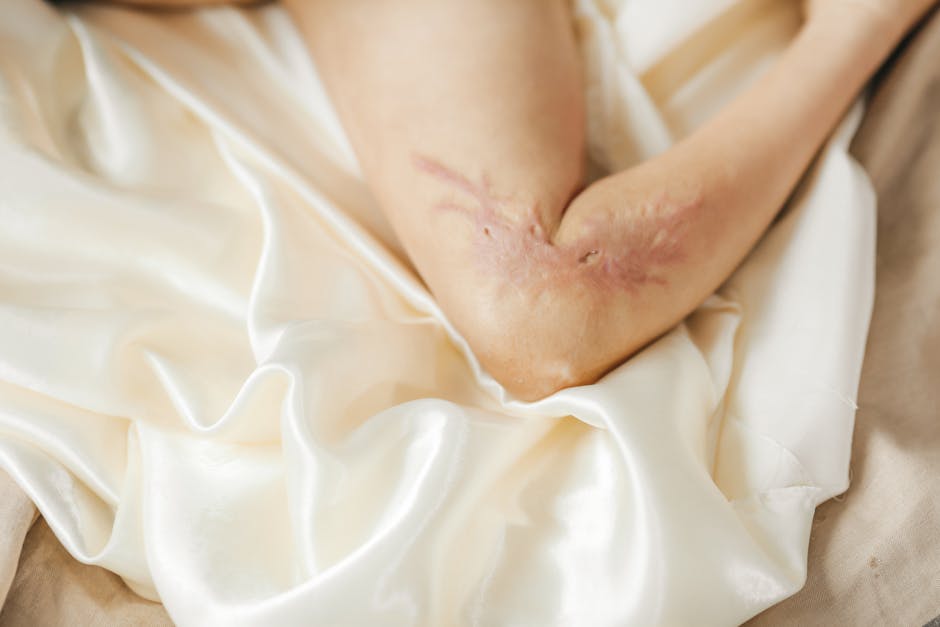
At six weeks, you are typically cleared to resume strenuous exercise and heavy lifting. Start gradually and listen to your body as you rebuild strength. Your breast shape will continue to settle and refine over the next 3-6 months as residual swelling subsides. Scar management becomes a priority once incisions are fully healed (around 6-8 weeks). Scars will be red and raised initially but will flatten and fade over 12-18 months with proper care, such as silicone sheets and sun protection.
Essential Post-Operative Care for a Smooth Recovery
Your actions after surgery are just as important as the procedure itself. A successful recovery depends on your partnership with our team. Key principles include following all instructions, prioritizing rest, staying hydrated, eating a healthy diet, and avoiding smoking and alcohol. Wearing your compression garment as directed is crucial for reducing swelling. Attending all follow-up appointments allows us to monitor your healing. Most importantly, listen to your body and be patient with the process.
Diet, Hydration, and Lifestyle
Proper nutrition provides the fuel your body needs to heal. Focus on nutrient-rich foods, including lean protein (fish, chicken), antioxidants from fruits and vegetables, and healthy fats (avocado, nuts). A balanced diet can significantly improve recovery outcomes, while processed foods and sugar can increase inflammation.
Scientific research on how diet enhances healing
Staying hydrated is also vital. Water helps flush out toxins and improves skin elasticity. Aim to drink at least half your body weight in ounces of water daily. Avoiding smoking and alcohol is critical. Smoking impairs blood flow and oxygen delivery to healing tissues, increasing complication risks. Alcohol can increase bleeding and interfere with medications. Avoid both for at least three weeks post-surgery.
Activity, Exercise, and Lifting
Finding the right balance between rest and movement is key. Start with gentle, short walks to promote circulation. A gradual return to exercise is the goal; high-impact activities must wait.
Remember these critical restrictions:
- No raising your arms above your shoulders for the first 10 days.
- No lifting anything over 10 pounds for a full six weeks.
This protects your incisions and internal healing. Pay attention to signs of overexertion, such as increased pain or swelling. If you experience these, rest and reduce your activity. Pushing through pain will only prolong your recovery.
Frequently Asked Questions about Breast Implant Removal Recovery
As you consider explant surgery, it’s natural to have questions about how long is breast implant removal recovery is and what to expect. Here are answers to the most common concerns we hear in our Newport Beach practice.
How painful is breast implant removal recovery?
Most patients report that pain from implant removal is manageable and often less intense than their original augmentation. You will experience some tenderness, soreness, and discomfort, which may peak around day three before improving. Prescribed pain medication is effective for the first few days, after which many patients switch to over-the-counter options. Itching and temporary nerve sensations like tingling or shooting pains are normal signs of healing.
Will my breasts sag or look flat after implant removal?
This is a common concern, and the outcome depends on several factors. After implants are removed, the stretched skin and tissue may not fully retract, potentially leading to a deflated or saggy appearance. The final look is influenced by your implant size, how long you had them, your natural skin elasticity, age, and genetics.
Fortunately, you have excellent options. Many patients combine implant removal with a breast lift (mastopexy) to remove excess skin and reshape the breast for a youthful contour. Fat transfer can also be used to restore some volume naturally. During your consultation, we will assess your anatomy and discuss the best approach to achieve your desired look.
View our breast implant removal no lift photos
What are the most important warning signs of a complication?
While complications are rare with an experienced surgeon, know the warning signs. Contact us immediately if you experience any of the following:
- Signs of Infection: Spreading redness, unusual warmth, foul odor, pus-like discharge, or a fever over 100.4°F (38°C).
- Excessive Swelling: Sudden, significant swelling, especially if one breast becomes much larger than the other.
- Bleeding: Rapidly enlarging blood spots on your bandage or bright red blood in your drains.
- Severe Pain: Pain that is not relieved by your prescribed medication or suddenly worsens.
- Serious Symptoms: Shortness of breath or chest pain require immediate emergency services (call 911).
Trust your instincts. We would rather you call with a concern that turns out to be nothing than have you wait and worry. Your safety is our top priority.
Your Path to a Confident Recovery in Newport Beach
We hope this guide provides a clearer picture of your breast implant removal recovery. While the journey is personal, most patients return to light activities in 1-2 weeks and strenuous exercise around 6-8 weeks, with full healing taking up to a year. The success of your recovery depends heavily on the skill of your surgeon.
At OC Breast Surgery in Newport Beach, Dr. Mark Anton brings 33 years of exclusive focus on breast surgery to every procedure. His expertise in complex cases, including correcting complications from previous surgeries, is dedicated to achieving natural, comfortable results. We don’t just perform surgery; we guide you through every phase of healing, ensuring you feel supported, informed, and confident.
If you are ready to move forward, we’re here to help you understand your options and create a personalized plan. Your comfort and confidence are our priority.