
How much does breast reduction surgery cost without insurance 2025
The Financial Reality of Breast Reduction Surgery
How much does breast reduction surgery cost without insurance is one of the most pressing questions women face when considering this life-changing procedure. The answer isn’t simple, but here’s what you need to know upfront:
Average Cost Range Without Insurance:
- Total Cost: $7,000 – $19,000
- Surgeon’s Fee: $5,500 – $6,771 (average)
- Anesthesia: $1,500 – $1,900
- Facility Fee: $3,200 – $3,700
- Additional Costs: $500 – $2,000
The wide range reflects several factors: your surgeon’s expertise, geographic location, surgical complexity, and facility type. While the American Society of Plastic Surgeons reports an average surgeon’s fee of $6,771, this represents only part of your total investment.
What drives these costs? The surgeon’s fee typically accounts for 50-70% of your total bill, with anesthesia (15-20%) and facility fees (15-25%) making up the remainder. Don’t forget additional expenses like pre-operative tests, compression garments, and prescription medications.
As Dr. Mark Anton, founder of OC Breast Surgery in Newport Beach, CA, I’ve helped thousands of patients understand how much does breast reduction surgery cost without insurance during my 33 years of practice. My expertise in breast surgery and commitment to patient education ensures you’ll have complete cost transparency from consultation through recovery.
Essential how much does breast reduction surgery cost without insurance terms:

How Much Does Breast Reduction Surgery Cost Without Insurance? A Detailed Breakdown
When you’re considering breast reduction surgery, the financial reality can feel overwhelming. How much does breast reduction surgery cost without insurance is often the first question that comes to mind, and for good reason – this is a significant investment in your health and well-being.
The honest answer? You’re looking at a total cost between $7,995 and $12,850 for most patients nationwide. However, I’ve seen the range stretch from as low as $5,000 to as high as $19,000, depending on several factors we’ll explore in detail.
Here’s what might surprise you: when the American Society of Plastic Surgeons reports an average surgeon’s fee of $7,800, that’s just one piece of the puzzle. This figure doesn’t include anesthesia, the operating room, or those essential extras that ensure your safety and comfort throughout the process.
Think of it like buying a car – the sticker price is just the beginning. The same principle applies when you’re wondering how much does breast reduction surgery cost without insurance. You need the complete picture to plan properly.
For a comprehensive breakdown of all costs involved, check out our detailed guide on Breast Reduction Surgery Cost.
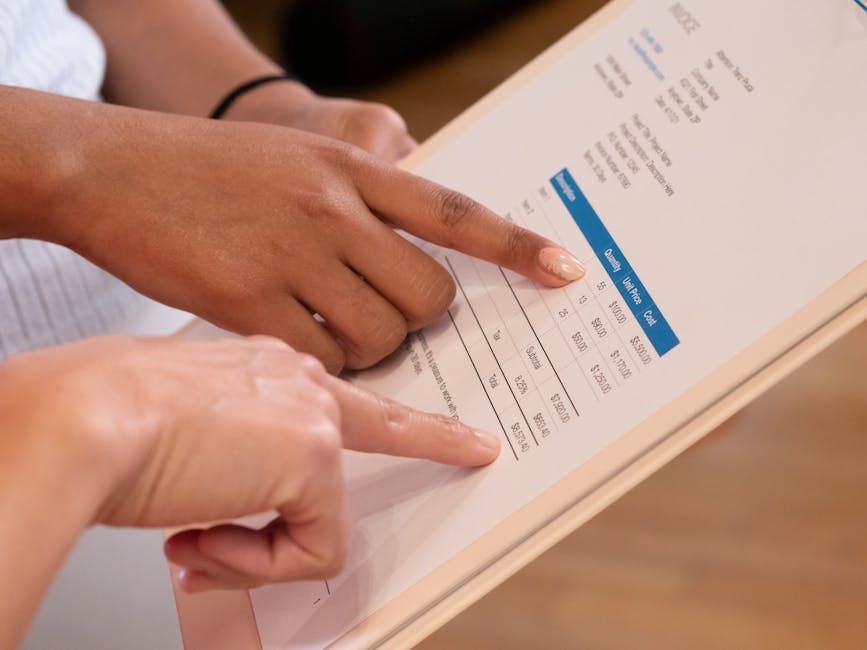
Understanding the Average Cost of Breast Reduction Surgery Without Insurance
The American Society of Plastic Surgeons tracks these numbers carefully, and their latest data shows that average surgeon’s fee sitting at $7,800. But remember – this is just the physician’s portion of your total investment.
There’s an important distinction that affects both your wallet and potential insurance coverage. The American Medical Association defines cosmetic surgery as procedures that reshape normal body structures to improve appearance and self-esteem. Reconstructive surgery, on the other hand, addresses abnormal structures caused by medical conditions, trauma, or disease.
This matters more than you might think. When your breast reduction addresses chronic pain, skin irritation, or other medical issues, it may qualify as reconstructive surgery. If you’re primarily seeking aesthetic improvement, it’s considered cosmetic – and that changes everything about coverage and pricing.
Geography plays a huge role in pricing too. The East and West coasts, which handled 51% of all breast reductions in 2019, typically see higher costs than other regions. Living in Newport Beach, CA, for example, means you’re in a premium market where expertise and results often justify the investment.
The Three Core Cost Components
Let’s break down where your money actually goes. Understanding these three main components helps you see the value behind the price tag:
Your surgeon’s fee ($5,500 – $8,500) represents the biggest chunk – usually 50-70% of your total cost. This isn’t just payment for time in the operating room. You’re investing in years of specialized training, ongoing education, and the expertise needed to achieve beautiful, natural-looking results while keeping you safe. This fee also covers your initial consultation, the surgery itself, and those crucial follow-up visits that ensure proper healing.
The anesthesiologist’s fee ($1,500 – $1,900) covers general anesthesia administration, continuous monitoring throughout your procedure, and post-operative recovery supervision. Having a skilled anesthesiologist isn’t optional – it’s essential for your safety and comfort.
Finally, the surgical facility fee ($3,200 – $3,700) pays for the operating room, specialized equipment, nursing staff, and all the medical supplies needed for your procedure. Whether you choose an outpatient hospital or an accredited surgery center, this fee ensures you have access to a sterile, properly equipped environment.
Don’t Forget These Additional Expenses
Beyond those three main costs, several additional expenses can add $500 to $2,000 to your total bill. These often catch patients off guard, but they’re essential for a safe, successful outcome.
Before your surgery, you’ll need pre-operative medical tests and lab work ($100 – $500), and if you’re over 40, a mammogram ($200 – $400). Your surgeon may also require medical clearance from your primary physician ($150 – $300).
After your procedure, you’ll need compression bras and surgical garments ($50 – $200 each – and yes, you’ll need several). Prescription medications for pain management and infection prevention typically run $20 – $200 total.
During recovery, consider the hidden costs: lost wages during your 1-2 week minimum recovery period, potential childcare needs, and transportation to follow-up appointments. While these aren’t direct medical costs, they’re real expenses that affect your budget.
The key is planning for these extras upfront. Nobody wants financial surprises when they’re focused on healing and enjoying their new comfort and confidence.
Key Factors That Influence Your Final Bill
Understanding what drives the cost of breast reduction surgery helps you make informed decisions about your procedure. When patients ask us how much does breast reduction surgery cost without insurance, we explain that several key factors work together to determine your final investment.
Your surgeon’s expertise, where you live, the complexity of your surgery, and the type of facility you choose all play significant roles in pricing. Let’s explore each of these factors so you can better understand what to expect.

Surgeon’s Experience and Reputation
Choosing the right surgeon is the most important decision you’ll make, and expertise comes at different price points. A board-certified plastic surgeon isn’t just a recommendation—it’s essential for your safety and results.
Board certification means your surgeon has completed rigorous training and maintains continuing education requirements. You can verify this certification through Tips for choosing a plastic surgeon. This certification ensures your surgeon meets the highest standards of surgical competence, but it also typically means higher fees.
Specialized training in breast surgery commands premium pricing for good reason. Surgeons who focus specifically on breast procedures have refined their techniques through years of dedicated practice. At OC Breast Surgery, our specialization in breast procedures reflects this focused expertise.
Experience with complex cases matters tremendously. Surgeons skilled in revision surgery—correcting complications from previous surgeries—typically charge higher fees because this expertise is rare and valuable. If you’ve had previous breast surgery or anticipate complex surgical needs, this experience becomes invaluable.
Geographic reputation also affects pricing. Surgeons with established track records in competitive markets often have higher fees that reflect their proven results and patient satisfaction rates. This reputation is built over years of consistent outcomes and happy patients.
Geographic Location: Why a Newport Beach, CA Procedure Costs Differently
Where you have your surgery significantly impacts the cost, and Newport Beach, CA represents a premium market for several reasons.
Cost of living directly affects surgical fees. Areas with higher living costs have increased overhead expenses for rent, staff salaries, and general business operations. These costs naturally translate to higher surgical fees.
Market demand plays a crucial role. High-demand areas with affluent populations often support premium pricing for specialized surgical services. The competitive market in Newport Beach attracts top surgeons who can command higher fees based on their expertise and results.
Regional pricing trends show that the East and West coasts generally have higher surgical costs than other regions. This reflects both the concentration of experienced surgeons and the higher standard of living in these areas.
Facility standards in premium locations often exceed basic requirements. State-of-the-art equipment, luxurious patient amenities, and improved safety protocols contribute to overall costs but also improve your experience and outcomes.
Surgical Technique and Complexity
The specific approach your surgeon uses significantly affects your final cost. More complex procedures naturally require more time, skill, and resources.
Incision patterns vary based on your needs. The anchor incision technique works best for larger reductions but requires more surgical time. The lollipop (vertical) incision offers moderate reduction with less scarring but still involves significant surgical complexity. Liposuction-only approaches cost less but work only for smaller reductions.
Amount of tissue removal directly impacts surgical time and complexity. Larger reductions requiring extensive tissue removal typically cost more because they demand more surgical expertise and time in the operating room.
Combined procedures often make financial sense. Many patients combine breast reduction with other procedures like breast lift. While this increases the total cost, it often provides savings compared to separate procedures and reduces overall recovery time.
For detailed information about these surgical techniques, visit our guide on how breast reduction surgery works.
Outpatient Hospital vs. Accredited Surgery Center
The type of facility you choose can significantly impact your costs and experience. Here’s how they compare:
| Factor | Outpatient Hospital | Accredited Surgery Center |
|---|---|---|
| Average Cost | $10,502 | $6,088 |
| Specialization | General surgical procedures | Focused on specific procedures |
| Environment | Hospital setting | Boutique, personalized experience |
| Staff Expertise | General surgical staff | Specialized in cosmetic procedures |
| Recovery Amenities | Standard hospital recovery | Improved comfort features |
Accredited surgery centers often provide significant cost savings while maintaining the highest safety standards. These facilities specialize in outpatient procedures and can offer a more personalized experience custom to cosmetic surgery patients.
Specialized staff at dedicated surgery centers focus exclusively on procedures like breast reduction. This specialization often translates to smoother operations, better patient care, and more predictable outcomes.
The cost difference between these options can be substantial—often $4,000 or more. However, the decision shouldn’t be based solely on price. Consider the facility’s accreditation, safety record, and how comfortable you feel with the environment and staff.
Why Insurance Won’t Always Pay (And What That Means for You)
When you’re researching how much does breast reduction surgery cost without insurance, you’re probably hoping your insurance might cover at least part of the expense. Unfortunately, the reality is more complicated than many patients expect.
Insurance companies have strict criteria for covering breast reduction surgery, and the approval process can be lengthy and frustrating. Even when you have legitimate medical symptoms, there’s no guarantee your insurance will approve coverage.
The key issue is proving medical necessity versus cosmetic preference. Insurance companies make this distinction to control costs, but their criteria don’t always align with what patients and even doctors consider medically necessary.
Understanding these limitations helps you plan realistically for your procedure costs. Many patients who initially hope for insurance coverage end up paying out-of-pocket, which is why it’s important to understand the full financial picture from the start.
For comprehensive information about navigating insurance coverage, visit our detailed guide on How to Get a Breast Reduction Covered by Insurance.
The “Medically Necessary” Hurdle
Insurance companies typically cover breast reduction only when they consider it medically necessary. This sounds straightforward, but the requirements are quite specific and demanding.
Physical Symptoms That May Qualify:
Insurance companies look for documented chronic pain in your back, neck, or shoulders directly related to breast size. They also consider skin irritation and rashes under the breasts, especially if they’re recurring or severe.
Nerve pain or numbness in your arms or hands can strengthen your case, as can documented shoulder grooving from bra straps. Some insurers also consider posture problems that directly result from breast weight.
The Documentation Challenge:
Having symptoms isn’t enough – you need extensive documentation. Insurance companies require medical records showing persistent symptoms over time, not just a recent complaint.
You’ll need evidence of conservative treatment attempts like physical therapy, pain medications, or specialized supportive bras. Many insurers want to see that you’ve tried these approaches for several months without success.
Physician letters supporting medical necessity are crucial. Sometimes you’ll need letters from multiple doctors, including your primary care physician and potentially specialists like orthopedists or pain management doctors.
Minimum Tissue Removal Requirements:
Many insurance companies require removal of a specific amount of breast tissue, often calculated based on your body surface area. This requirement can be frustrating because it’s based on weight rather than your individual symptoms or needs.
The amount varies by insurer but commonly ranges from 250 to 500 grams per breast. Some patients with severe symptoms may not meet these weight requirements, while others who meet the requirements may have minimal symptoms.
When It’s Considered Purely Cosmetic
Insurance typically won’t cover breast reduction when it’s performed primarily for aesthetic reasons, even though the psychological and lifestyle benefits can be significant.
Aesthetic Preferences like wanting smaller breasts for better body proportion or improved clothing fit don’t qualify for coverage. Even if these concerns significantly impact your quality of life, insurance companies don’t consider them medical issues.
Self-esteem improvement alone isn’t considered medical necessity by most insurers. While we know that breast reduction can dramatically improve confidence and mental health, insurance companies rarely cover procedures for psychological benefits.
Lifestyle preferences such as improving athletic performance, reducing unwanted attention, or general comfort preferences without documented medical symptoms also don’t qualify for coverage.
This doesn’t mean these reasons aren’t valid – they absolutely are. It simply means you’ll likely need to plan for paying out-of-pocket, which brings us back to understanding how much does breast reduction surgery cost without insurance.
The good news is that many patients find the investment worthwhile, regardless of insurance coverage. The key is planning ahead and exploring all your financing options.
Paying for Your Procedure: Financing and Cost-Management Tips
Understanding how much does breast reduction surgery cost without insurance is just the first step. The next challenge is figuring out how to pay for it. The good news? You have more options than you might think, and we’re here to help you steer them all.
Most patients find that investing in their health and quality of life is worth the financial commitment. After all, the physical relief and confidence boost from breast reduction surgery can be life-changing. Let’s explore the practical ways to make this investment work for your budget.

Navigating Payment Options: How to Afford Breast Reduction Surgery Without Insurance
In-house financing plans are often your best starting point. At OC Breast Surgery, we understand that paying for surgery upfront isn’t realistic for everyone. That’s why we offer flexible payment plans that let you spread the cost over several months. These plans typically have low or no interest rates, making them much more affordable than credit cards.
Third-party medical financing companies like CareCredit specialize in healthcare loans and are widely accepted by plastic surgery practices. Here’s what makes them attractive: they often offer promotional periods with zero interest if you pay the balance within a specific timeframe (usually 12-24 months). Just be sure to read the fine print about what happens if you don’t pay it off during the promotional period.
Personal loans from banks or credit unions can provide the funds you need upfront. The advantage? You’ll know exactly what your monthly payment will be and when the loan will be paid off. Shop around for the best interest rates and terms. Credit unions often offer better rates than traditional banks.
Health Savings Accounts (HSA) and Flexible Spending Accounts (FSA) can be game-changers if your procedure qualifies as medically necessary. These accounts let you use pre-tax dollars for medical expenses, effectively giving you a discount equal to your tax rate. If you’ve been experiencing chronic pain or other medical symptoms, ask your surgeon about documentation that might qualify your procedure.
Secured versus unsecured loans is an important distinction. Secured loans (backed by collateral like your home) typically offer lower interest rates but carry more risk. Unsecured loans don’t require collateral but usually have higher interest rates. Consider your financial situation carefully before choosing.
Smart Tips for Managing the Cost
Ask for an all-inclusive quote that breaks down every single cost. This isn’t just about avoiding surprises (though that’s important too). It’s about making sure you’re comparing apples to apples when evaluating different surgeons. Some practices quote only the surgeon’s fee, while others include everything.
Understand exactly what’s included in your quoted price. Are follow-up visits covered? What about revision surgery if needed? Post-operative garments? Getting clarity upfront prevents awkward conversations later about unexpected bills.
Schedule a consultation to get a personalized estimate rather than relying on general price ranges. Every patient is unique, and your specific needs will affect the final cost. During your consultation, we’ll examine your individual situation and provide a detailed, personalized quote.
Inquire about package pricing if you’re considering multiple procedures. Many patients combine breast reduction with other treatments like liposuction or tummy tuck. Combining procedures often results in cost savings since you’re only paying for anesthesia and facility fees once.
Choose an accredited surgery center for potential cost savings without compromising safety. Accredited surgery centers often charge less than hospital-based facilities while maintaining the same high safety standards. They also tend to provide a more personalized, comfortable experience.
Request a Good Faith Estimate as required by the No Surprises Act. This legal protection ensures you receive a detailed breakdown of expected costs before your procedure. It also provides recourse if you receive unexpected bills that significantly exceed the estimate.
The key is planning ahead and asking the right questions. Don’t be embarrassed about discussing costs openly with your surgeon’s office. We want you to feel confident about both the procedure and the financial commitment before moving forward.
Conclusion
When you’re wondering how much does breast reduction surgery cost without insurance, the answer typically falls between $7,000 and $19,000, with most patients investing $9,000 to $12,000 for their procedure. While this represents a significant financial commitment, the physical relief and improved quality of life that comes with breast reduction often makes it one of the most worthwhile investments you can make in yourself.
Here’s something important to remember: the lowest price doesn’t always represent the best value. Choosing an experienced, board-certified plastic surgeon who specializes in breast surgery is crucial for achieving optimal results and avoiding complications that could require costly revision surgery down the road.
Your final cost depends on several key factors: your surgeon’s expertise and reputation, geographic location, surgical complexity and technique, facility type and standards, and additional expenses for recovery. Understanding these variables helps you make informed decisions and budget appropriately.
When insurance doesn’t cover your procedure, don’t let that discourage you. Various financing options can make breast reduction surgery more accessible, from in-house payment plans to medical credit cards. We work with patients every day to find solutions that fit their unique financial situation.
At OC Breast Surgery in Newport Beach, CA, our specialists focus on delivering exceptional, natural-looking results custom to your unique goals. Dr. Mark Anton’s 33 years of experience in breast surgery, combined with our expertise in correcting complications from previous surgeries, ensures you receive the highest quality care and optimal results.
The investment in breast reduction surgery extends far beyond the financial cost. For many patients, the procedure provides relief from chronic pain, improved posture, better mobility, and increased confidence. These benefits often prove invaluable in changing overall quality of life.
Think of it this way: you’re not just paying for a surgery – you’re investing in years of comfort, better health, and the freedom to live life on your own terms. Many patients tell us they wish they had done it sooner.
Ready to take the next step? Schedule your consultation for Breast Reduction Surgery to receive a personalized cost estimate and learn how we can help you achieve your goals safely and effectively.