
How Much Is Breast Reconstruction Surgery in 2024? Top Facts
Introduction
How much is breast reconstruction surgery? If you or a loved one are considering this procedure, you probably want quick and clear answers about the cost. Here’s a simple breakdown:
- Cost range: $30,000 to $100,000+
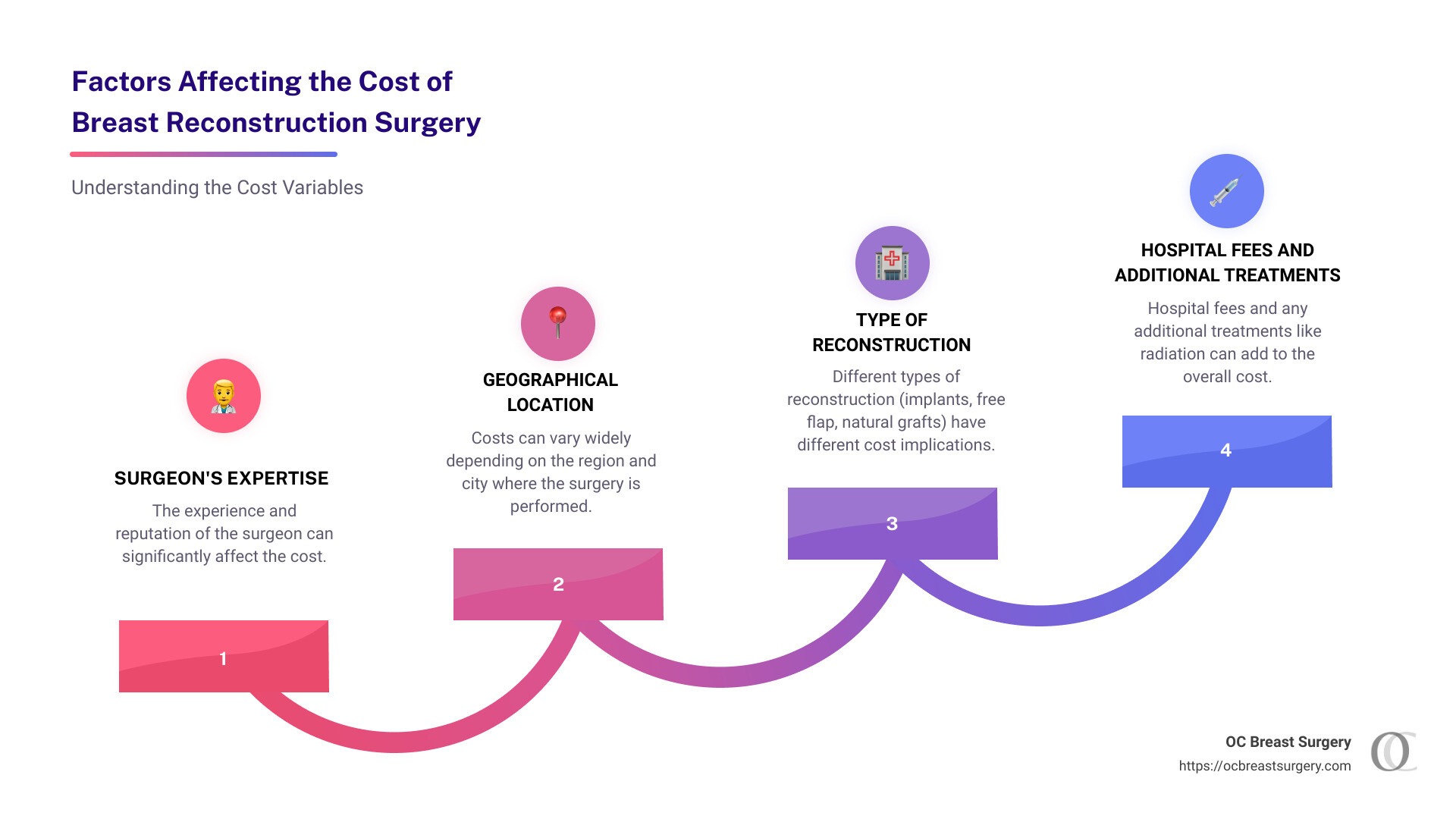
- Factors affecting cost: Surgeon’s expertise, geographical location, type of reconstruction, hospital fees, and additional treatments like radiation.
- Insurance: Breast reconstruction after mastectomy is generally covered by health insurance, but out-of-pocket costs can still vary.
Breast reconstruction is a vital procedure for many women recovering from mastectomy due to breast cancer. Not only does it help restore the shape and appearance of the breast, but it can also be crucial for emotional healing and self-image. The Women’s Health and Cancer Rights Act (WHCRA) of 1998 makes it mandatory for group health plans to cover the cost of reconstructive surgeries after a mastectomy, including procedures to achieve symmetry between the breasts, external breast prostheses, and treatment of any complications.
However, financial considerations remain a significant factor. With costs ranging from $30,000 to over $100,000, understanding the financial landscape is essential for making an informed decision.
Understanding Breast Reconstruction Surgery
Breast reconstruction is a significant step in healing after a mastectomy. It involves various techniques to restore the breast’s appearance. Let’s dive into the main types of breast reconstruction and how insurance plays a role.
Types of Reconstruction
Implants
Breast implant reconstruction is a common method. It involves placing a silicone or saline implant to recreate the breast shape. This procedure is less invasive since it doesn’t require tissue from other body parts.
Steps:
1. Tissue Expander Placement: A tissue expander is placed under the chest muscle during mastectomy surgery.
2. Gradual Expansion: Over several weeks, the expander is gradually filled to stretch the skin.
3. Implant Placement: After expansion, the expander is replaced with a permanent implant.
Free Flap
Free flap reconstruction uses tissue from other parts of the body, such as the abdomen or back, to reconstruct the breast. This method can provide a more natural look and feel.
Steps:
1. Tissue Harvesting: Tissue is taken from the donor site.
2. Reconstruction: The harvested tissue is shaped and attached to the chest.
Natural Grafts
Natural grafts, like fat transfer, use the patient’s fat to rebuild the breast. This technique is less invasive and can be ideal for partial reconstruction.
Steps:
1. Expansion: The chest tissue is expanded using an external suction system.
2. Fat Harvesting: Fat is taken from areas like the stomach or hips through liposuction.
3. Fat Injection: The harvested fat is injected into the chest tissue.
The Women’s Health and Cancer Rights Act (WHCRA) of 1998
The WHCRA is a federal law that mandates insurance coverage for breast reconstruction after mastectomy. This law ensures that group health plans cover:
- Reconstructive Surgery: Any surgery to reconstruct the breast post-mastectomy.
- Symmetry Procedures: Surgeries to achieve symmetry between the reconstructed and natural breast.
- External Breast Prostheses: Devices that provide a breast shape when reconstruction isn’t chosen.
- Complication Treatments: Treatments for complications like lymphedema.
Insurance Coverage
Under WHCRA, insurance must cover reconstructive surgery costs. However, check with your provider, as coverage may vary. Always consult with your insurance company to understand what portion of the costs they will cover and any out-of-pocket expenses you may incur.
Understanding these types and the federal law helps in making informed decisions about breast reconstruction. Next, we’ll explore the detailed costs involved in these procedures.
The Cost of Breast Reconstruction Surgery
When considering how much is breast reconstruction surgery, understand the various factors that contribute to the overall cost. These factors include the surgeon’s fee, hospital costs, anesthesia, medications, post-surgery garments, and medical tests.
Insurance Coverage and Breast Reconstruction
Thanks to the Women’s Health and Cancer Rights Act (WHCRA) of 1998, insurance companies must cover breast reconstruction for patients diagnosed with breast cancer. This federal law ensures that reconstructive surgery, as well as other post-mastectomy benefits, are covered. However, there can still be out-of-pocket expenses depending on your insurance plan.
For patients undergoing a prophylactic mastectomy (a preventive measure for those at high risk of breast cancer), insurance often covers the reconstruction as well. This is particularly true for those with a significant family history of breast cancer or a positive BRCA gene test.
If you’re considering reconstructive surgery for reasons other than breast cancer, insurance is less likely to cover the costs. In such cases, many surgeons offer patient financing plans to help make the procedure more affordable.
Cost Variables
Surgeon’s Fee
The surgeon’s fee is a significant portion of the total cost. This fee varies based on the surgeon’s experience, reputation, and the complexity of the procedure. Choosing a highly experienced surgeon might be more expensive but can provide better results and fewer complications.
Hospital Costs
Hospital costs include the use of the operating room, inpatient care, and other facility-related expenses. These costs can vary widely depending on the hospital’s location and the length of the stay.
Anesthesia
Anesthesia fees cover the anesthesiologist’s services during the surgery. These fees can also vary based on the type and duration of anesthesia required.
Medications
Post-surgery medications, including pain relievers and antibiotics, are another cost to consider. These medications are essential for managing pain and preventing infections during the recovery period.
Post-Surgery Garments
Special garments are often required after surgery to support the healing process. These can include surgical bras or compression garments, which add to the overall cost.
Medical Tests
Preoperative and postoperative medical tests, such as blood work and imaging, are necessary for a successful surgery and recovery. These tests ensure that the patient is in good health before the procedure and monitor recovery afterward.
Geographic Area
The cost of breast reconstruction surgery can vary significantly based on the geographic area. Surgeons in urban areas or regions with a higher cost of living may charge more than those in rural areas.
One Breast vs. Both
Reconstructing one breast is generally less expensive than reconstructing both. The complexity and duration of the surgery increase with bilateral procedures, leading to higher costs.
Surgeon Experience
As mentioned earlier, a surgeon’s experience plays a crucial role in the cost. While it might be tempting to choose a less expensive option, the expertise and skill of the surgeon can significantly impact the surgery’s success and the patient’s satisfaction.
In summary, understanding the various cost components and insurance coverage is crucial when planning for breast reconstruction surgery. Next, we’ll discuss how to evaluate your options and choose the best surgeon for your needs.
Evaluating Your Options
The Role of Patient-Reported Outcomes (PROs)
When considering how much is breast reconstruction surgery, look beyond just the price tag. The quality of care and patient experience are equally important. Here’s how to evaluate your options effectively:
Choosing a Surgeon
Selecting the right surgeon is crucial. Look for board-certified plastic surgeons with experience in breast reconstruction. The Aesthetic Society is a good resource to find qualified surgeons. A more experienced surgeon might cost more, but their expertise can lead to better outcomes and fewer complications.
Quality vs. Cost
While it might be tempting to choose a less expensive option, quality often correlates with cost. Surgeons with advanced training and a well-established practice may charge more, but they also bring a higher level of skill and experience. This can make a significant difference in your overall satisfaction and health outcomes.
BREAST-Q Scales
Patient-Reported Outcomes (PROs) are vital in assessing the value of breast reconstruction. The BREAST-Q is a well-regarded tool that measures patient satisfaction and quality of life after surgery. It covers various aspects such as physical, emotional, and sexual well-being. Surgeons who use BREAST-Q scales can provide a more comprehensive view of what to expect.
Complication Rates
Complication rates are another critical factor. Immediate breast reconstruction can have a high rate of complications, especially with certain techniques like radiation therapy. Knowing a surgeon’s complication rates can help you make an informed decision. For example, studies have shown that autologous reconstruction has different long-term costs and healthcare utilization compared to implant-based reconstruction.
Value to Patients
The value of breast reconstruction goes beyond financial costs. It includes the quality of life, satisfaction with the results, and the ability to resume normal activities. As we transition to value-based healthcare, including patient-reported outcomes in cost analyses is essential. This ensures that the chosen treatment provides real value to the patient, not just a lower price.
Next, we’ll answer some frequently asked questions about breast reconstruction surgery to help you make the best decision for your needs.
Frequently Asked Questions about Breast Reconstruction Surgery
Does insurance have to cover breast reconstruction?
Yes, insurance must cover breast reconstruction. The Women’s Health and Cancer Rights Act (WHCRA) of 1998 is a federal law that mandates all group health plans covering mastectomies to also provide coverage for reconstruction. This includes surgery for the breast removed by mastectomy and surgery for the other breast to achieve a symmetrical appearance. Insurance coverage also extends to any complications that arise from the mastectomy, including lymphedema.
Is breast reconstruction free after mastectomy?
While breast reconstruction is not entirely free, it is significantly covered by insurance due to the WHCRA. Most insurance plans will cover the majority of the costs associated with the surgery. However, there still might be out-of-pocket expenses such as co-pays, deductibles, and coinsurance fees. It’s essential to check with your insurance provider to understand exactly what is covered and what your potential costs might be.
How much does a mastectomy with reconstruction cost?
The cost of a mastectomy with reconstruction can vary widely based on several factors, including the type of reconstruction, the surgeon’s experience, and geographic location. On average, the cost can range from $30,000 to over $100,000.
Here’s a breakdown of some typical costs:
- Surgeon’s fee
- Hospital or surgical facility costs
- Anesthesia fees
- Medications
- Post-surgery garments
- Medical tests and imaging
For example, a patient on Reddit reported that their itemized bill for breast reconstruction was $121,000, although their insurance covered most of it, leaving them with a $1,500 bill.
Insurance typically covers a significant portion of these costs, especially when the reconstruction is after a mastectomy due to breast cancer. However, going out-of-network or choosing a highly specialized surgeon might result in higher out-of-pocket expenses. Always consult with your insurance company and surgeon to get a detailed estimate tailored to your specific situation.
Conclusion
At OC Breast Surgery, we understand that the financial side of healing is just as important as the physical and emotional aspects. Breast reconstruction surgery can be a significant investment, but it is also a vital step in restoring confidence and well-being after a mastectomy.
Our team of board-certified plastic surgeons is committed to providing the highest quality care. We work closely with you and your insurance provider to ensure that you receive the benefits you are entitled to under the Women’s Health and Cancer Rights Act of 1998. This federal law mandates that all group health plans covering mastectomies must also cover reconstructive surgery.
Why Choose OC Breast Surgery?
Expertise and Experience: Our surgeons have experience in both autologous and implant-based reconstruction methods. This ensures you get the best possible outcome, tailored to your needs.
Patient-Centered Care: We prioritize your comfort and satisfaction. Using tools like the BREAST-Q questionnaire, we continually assess and improve our patient-reported outcomes.
Comprehensive Financial Guidance: We provide clear, upfront information about costs, including surgeon’s fees, hospital costs, anesthesia, medications, and post-surgery garments. This helps you plan better and avoid unexpected expenses.
Advanced Techniques: Our practice stays at the forefront of medical advancements, offering the latest in reconstruction techniques, including acellular dermal matrices and autologous fat grafting. These methods can improve outcomes and reduce the need for secondary procedures.
Your Path to Recovery
We believe that every patient deserves personalized care. From your initial consultation to your final follow-up, we are with you every step of the way. Our goal is to make your journey as smooth and stress-free as possible.
If you have questions about how much is breast reconstruction surgery or need detailed information tailored to your situation, don’t hesitate to reach out. We’re here to help you make informed decisions about your health and well-being.
For more information, visit our Breast Reconstruction page.

Take the next step towards healing and confidence. Contact us today to schedule your consultation.