
Nipple Surgery Cost: 3 Smart Options
Understanding Your Nipple Surgery Cost Options
Nipple surgery cost typically ranges from $1,000 to $5,500 depending on the type of procedure and your specific needs. Here’s what you can expect to pay:
Common Nipple Surgery Costs:
- Inverted Nipple Correction: $2,000 – $4,000
- Nipple Reduction: $1,500 – $3,500
- Areola Reduction: $2,500 – $5,500
- Nipple Reconstruction: $1,000 – $3,000 per nipple
Many women in Newport Beach, CA are surprised to learn that nipple surgery can address concerns ranging from inverted nipples to size and symmetry issues. Whether you’re dealing with complications from previous surgery or simply want to improve your natural appearance, understanding the financial investment is crucial for making an informed decision.
The actual cost depends on several factors including your surgeon’s experience, the complexity of your case, and whether you combine procedures. Most nipple surgeries are outpatient procedures that can be performed under local anesthesia, which helps keep costs manageable.
As Dr. Mark Anton, founder of OC Breast Surgery specialists and co-creator of the Star Flap Nipple Reconstruction technique, I’ve helped thousands of patients steer nipple surgery cost decisions over my 33 years in practice. My experience has shown that while cost is important, choosing the right surgeon and understanding your options leads to the best outcomes for your confidence and satisfaction.
Easy nipple surgery cost word list:
Understanding the Types of Nipple Surgery and Their Average Costs

When patients come to our Newport Beach practice asking about nipple surgery cost, they’re often surprised to learn there isn’t just one type of procedure. Each concern requires a different approach – and comes with its own price point.
Think of it like shopping for shoes. You wouldn’t expect the same solution for every foot problem, right? The same goes for nipple concerns. Whether you’re dealing with inverted nipples, size issues, or reconstruction needs, understanding your options helps you make the best choice for both your body and your budget.
Inverted Nipple Correction
About 10-20% of women have inverted nipples, where the nipple pulls inward instead of projecting outward. This happens when the milk ducts are too short or tethered, essentially pulling the nipple back like a drawstring.
The good news? Inverted nipple correction is straightforward and gives almost instant results. During the procedure, we make a tiny incision at the nipple base to release those tethering ducts. It’s like cutting the drawstring so your nipple can finally project normally.
The nipple surgery cost for inverted nipple correction typically ranges from $2,000 to $4,000 for both nipples. The procedure takes about 30-60 minutes under local anesthesia, and most patients return to work within a day or two.
One important thing to discuss during your consultation is breastfeeding. Some techniques preserve this ability while others may affect it. We’ll help you weigh the pros and cons based on your future plans.
More info about Inverted Nipple Correction
Nipple and Areola Reduction
Large or protruding nipples can cause real discomfort – from chafing against clothing to feeling self-conscious in fitted tops. Similarly, oversized areolas (the darker area around the nipple) can throw off your breast proportions.
Nipple reduction addresses prominence and size issues by carefully removing excess tissue while preserving sensation. We use techniques that maintain the nipple tip to keep maximum sensitivity. The average cost ranges from $1,500 to $3,500 for both nipples.
Areola reduction is slightly more involved since we’re working with a larger area. We remove a ring of tissue around the areola to reduce its diameter, creating better proportion with your breast size. This procedure typically costs between $2,500 and $5,500.
Many patients choose to combine both procedures for the most balanced results. Recovery is generally comfortable, with most people back to normal activities within a week.
More info about Areola Reduction Surgery
Nipple Reconstruction
For women who’ve had mastectomies, nipple reconstruction often represents the final step in their journey back to feeling whole. It’s not just about appearance – it’s about emotional healing too.
Nipple reconstruction uses tissue grafts from other parts of your body or creates nipples from surrounding breast tissue. The procedure typically costs $1,000 to $3,000 per nipple, making it one of the more affordable breast reconstruction options.
Here’s some welcome news: this procedure is often covered by insurance, especially when it’s part of breast cancer reconstruction. The Women’s Health and Cancer Rights Act requires insurance companies to cover reconstructive surgery following mastectomy, including nipple reconstruction.
The surgery takes about an hour and recovery is usually quick with minimal discomfort. Many patients later add specialized tattooing to create realistic coloring and complete the natural appearance.
More info about Nipple Reconstruction
Comparing Average Costs of Nipple Surgery Types
| Procedure Type | Average Cost Range | Primary Goal |
|---|---|---|
| Inverted Nipple Correction | $2,000 – $4,000 (bilateral) | Improve nipple projection |
| Nipple Reduction | $1,500 – $3,500 (bilateral) | Reduce nipple size/prominence |
| Areola Reduction | $2,500 – $5,500 (bilateral) | Decrease areola diameter |
| Nipple Reconstruction | $1,000 – $3,000 (per nipple) | Restore nipple after mastectomy |
Understanding these different procedures and their costs helps you have a more informed conversation during your consultation. The right choice depends on your specific concerns, lifestyle, and goals – not just the price tag.
What Factors Influence the Nipple Surgery Cost?

When patients ask about nipple surgery cost, I often explain that it’s like asking about the price of a car – there are several factors that determine the final number. Understanding these variables helps you budget appropriately and avoid any surprises along the way.
Surgeon’s Experience and Geographic Location
The surgeon you choose significantly impacts both your results and your wallet. Board-certified plastic surgeons with experience in nipple procedures typically charge more than general surgeons, but there’s a good reason for this premium.
A skilled surgeon brings years of training, specialized techniques, and a lower risk of complications. When you’re dealing with such a delicate and visible area, this expertise becomes invaluable. The surgeon’s reputation in the field also affects pricing – those known for exceptional results often have higher fees.
Geographic location plays a major role in pricing too. Here in Newport Beach, CA, nipple surgery cost tends to be higher than the national average due to higher overhead costs and the concentration of experienced surgeons. The quality of surgical facilities in our area also contributes to the cost, as state-of-the-art equipment and highly trained staff require greater investment.
Breaking Down the Nipple Surgery Cost Quote
When you receive a quote for nipple surgery, it’s helpful to understand what you’re actually paying for. The surgeon’s fee covers their time, expertise, and skill – this is typically the largest portion of your quote.
Anesthesia costs vary depending on whether you need local or general anesthesia. Most nipple procedures can be performed under local anesthesia, which keeps costs lower and reduces recovery time. The surgical facility fee covers the use of the operating room, equipment, and support staff.
Don’t forget about the smaller but important costs like pre-operative tests (blood work or imaging studies if needed), post-operative garments such as special supportive bras, and follow-up appointments. Most reputable surgeons include follow-up visits in their initial fee, but it’s worth confirming this during your consultation.
How Procedure Complexity Affects the Nipple Surgery Cost
The complexity of your specific situation has a huge impact on the final price. Simple, straightforward cases cost less than complex reconstructions or revision surgeries that require advanced techniques.
One way to potentially reduce costs is by combining nipple surgery with other breast procedures. If you’re already planning a breast lift or augmentation, adding nipple correction can be more economical since you’re sharing the costs of anesthesia and facility fees. Plus, you’ll only have one recovery period instead of two.
Bilateral procedures (correcting both nipples) are typically more cost-effective than having separate surgeries. The cost for bilateral nipple surgery often starts around $2,350, while single-sided procedures might range from $900 to $1,800.
Revision surgeries or corrections of previous complications generally cost more due to increased complexity. Scar tissue from previous procedures can make the surgery more challenging, requiring specialized techniques and potentially longer operating times.
Whether you’re having a standalone procedure or combining it with other surgeries, the key is having a thorough consultation where your surgeon can assess your specific needs and provide an accurate cost estimate.
The Surgical Journey: Procedure, Recovery, and Potential Risks
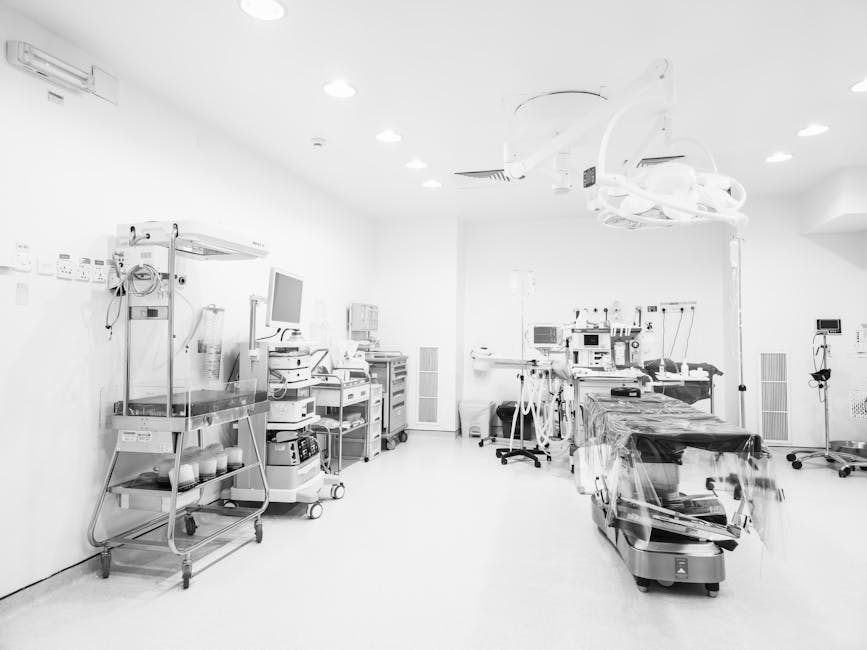
Understanding what happens during your nipple surgery journey helps you prepare both mentally and financially. Many patients tell us that knowing what to expect makes the entire process much more comfortable and less stressful.
The good news is that nipple surgery is typically straightforward, with predictable outcomes and relatively easy recovery. Most patients are pleasantly surprised by how manageable the process is from start to finish.
Who is a Good Candidate for Nipple Surgery?
The best candidates for nipple surgery are healthy individuals who have realistic expectations about what the procedure can achieve. We’ve found that patients who understand the process and have specific goals tend to be happiest with their results.
Non-smokers make ideal candidates because smoking significantly impairs healing and increases the risk of complications. If you do smoke, we’ll ask you to quit at least six weeks before surgery to ensure optimal healing.
Timing matters, especially for women who may want to have children in the future. While some nipple surgery techniques preserve breastfeeding ability, others may affect milk duct function. We typically recommend waiting until after you’ve completed childbearing, though this isn’t always necessary depending on your specific procedure.
Good candidates also have specific concerns that affect their daily life or confidence. Whether you’re dealing with inverted nipples that make breastfeeding difficult, enlarged nipples that cause discomfort with clothing, or asymmetry that bothers you, nipple surgery can address these issues effectively.
More info about how to fix inverted nipples
The Procedure and Recovery Process
Most nipple surgeries are outpatient procedures that take between 30-60 minutes to complete. You’ll go home the same day, which helps keep the nipple surgery cost more manageable than procedures requiring overnight stays.
The specific technique depends on your individual needs. For inverted nipple correction, we make a small incision at the base of the nipple to release the tethering ducts – the results are often visible immediately. Nipple reduction involves carefully removing excess tissue while preserving sensation and maintaining natural proportions.
Local anesthesia is used for most procedures, which means you’ll be awake but completely comfortable. This approach reduces both cost and recovery time compared to general anesthesia.
Recovery is generally much easier than patients expect. Most people can return to desk work within 24-48 hours, though we recommend taking it easy for the first few days. You’ll want to avoid strenuous activities, heavy lifting, and vigorous exercise for at least two weeks.
Swelling and bruising typically peak within the first few days and gradually resolve over 2-6 weeks. Most patients describe the discomfort as mild and easily managed with over-the-counter pain medication.
We provide detailed post-operative instructions covering everything from wound care to activity restrictions. Following these guidelines carefully helps ensure optimal healing and the best possible results.
View our corrective nipple surgery before and after gallery
Potential Risks, Side Effects, and Long-Term Results
Like any surgical procedure, nipple surgery carries some risks that we discuss thoroughly during your consultation. Being informed helps you make the best decision for your situation.
The most common side effects include temporary swelling, bruising, and mild discomfort. These are normal parts of the healing process and resolve on their own within a few weeks.
Changes in nipple sensation can occur, though most patients experience normal feeling returning within a few months. We use nerve-preserving techniques whenever possible to minimize this risk. In rare cases, permanent changes in sensation may occur, which is why we discuss this possibility in detail.
For patients planning to breastfeed in the future, it’s important to understand that some techniques may affect milk duct function. We can often modify our approach to preserve breastfeeding ability when this is a priority for you.
Scarring is typically minimal and well-concealed within the natural pigmentation of the nipple and areola. Most scars fade significantly over time and become barely noticeable to both you and others.
The results of nipple surgery are generally permanent, though factors like pregnancy, significant weight changes, or aging can affect the appearance over time. Most patients find their results last for many years without any need for touch-ups.
Infection and asymmetry are rare but possible complications. We take extensive precautions to minimize these risks, including using sterile techniques and providing detailed aftercare instructions.
Informed consent information for nipple surgery
Is Nipple Surgery Covered by Insurance?
One of the most common questions we hear from patients is whether their insurance will help cover nipple surgery cost. The answer isn’t always straightforward, but understanding the difference between cosmetic and medically necessary procedures can help you plan financially.
Cosmetic vs. Medically Necessary Procedures
Most nipple surgeries fall into the cosmetic category, which means you’ll be responsible for the full cost out of pocket. This includes procedures like nipple reduction, areola reduction, and inverted nipple correction when they’re performed purely for aesthetic reasons.
However, there’s an important exception that many patients don’t realize. Nipple reconstruction following mastectomy is typically covered by insurance. Thanks to The Women’s Health and Cancer Rights Act of 1998, group health plans and insurers must cover reconstructive surgery after mastectomy, including nipple reconstruction. This federal law has been a game-changer for breast cancer survivors seeking to restore their sense of completeness.
Sometimes inverted nipple correction can qualify for coverage if it’s deemed medically necessary. For example, if your inverted nipples are causing recurrent infections or making breastfeeding impossible, your insurance company might consider it a functional issue rather than a cosmetic one. Each insurance company has different criteria for determining medical necessity, so it’s worth having a conversation with both your surgeon and your insurance provider.
We’ve helped many patients steer these insurance discussions over the years. Our team can provide documentation and medical records to support your case when there’s a legitimate medical reason for the procedure.
The Women’s Health and Cancer Rights Act
Financing Options for Your Surgery
When insurance doesn’t cover your procedure, don’t let that stop you from exploring your options. We’ve found that many patients are pleasantly surprised by the financing solutions available to make their desired surgery more manageable.
Payment plans are often the simplest solution. Many practices, including ours, offer in-house payment plans that let you spread the cost over several months without interest. This can make a $3,000 procedure feel much more manageable when broken down into smaller monthly payments.
Medical credit cards like CareCredit are specifically designed for healthcare expenses. They often offer promotional periods with no interest, giving you time to pay off the procedure without additional costs. These cards can be used immediately once approved, making them convenient for scheduling your surgery.
Third-party financing companies specialize in medical loans and often provide competitive interest rates for cosmetic procedures. These loans can sometimes offer longer repayment terms than credit cards, which might result in lower monthly payments.
We work with several financing companies because we believe everyone deserves to feel confident and comfortable in their own skin. During your consultation, we can discuss which financing options might work best for your specific situation and budget. Many patients find that the monthly payment is less than they spend on coffee, making the investment in their confidence surprisingly affordable.
Synchrony financial wellness offers
Frequently Asked Questions about Nipple Surgery
Can nipple surgery affect breastfeeding or nipple sensation?
This question comes up in nearly every consultation, and I completely understand why it’s such an important concern. The honest answer is that it depends on the specific technique we use and the type of surgery you’re having.
When it comes to inverted nipple correction, we have options that can preserve your ability to breastfeed. Some techniques carefully preserve the milk ducts while still achieving the projection you want. Others may need to divide some ducts to get the best results. During your consultation, we’ll talk through your future plans and choose the approach that makes the most sense for you.
Nipple reduction and areola reduction do involve removing some tissue, which could potentially affect breastfeeding since we might remove areas that contain milk ducts. That said, many of our patients have gone on to breastfeed successfully after these procedures. It’s not an automatic “no” – it just depends on your individual situation.
As for sensation, most patients experience some temporary numbness right after surgery. This is completely normal and usually resolves within a few months as the nerves heal. We use nerve-preserving techniques whenever possible to minimize any risk of permanent changes. The good news is that when surgery is performed by an experienced surgeon, the success rate for maintaining normal sensation is quite high.
Are the results of nipple surgery permanent?
The surgical changes we make are permanent – we’re actually restructuring the nipple tissue. However, your body doesn’t stop changing after surgery, so several factors can influence how your results look over time.
Pregnancy and breastfeeding can cause changes in nipple and areola size and shape. This is true whether you’ve had surgery or not, but it’s something to keep in mind. Significant weight fluctuations, aging, and hormonal changes can also affect your appearance over the years.
For inverted nipple correction specifically, the success rate is excellent. Most patients maintain good projection long-term. In rare cases, some re-tethering can occur, but this is uncommon when the surgery is performed correctly using proven techniques.
Here’s what I tell my patients: even if some minor changes happen over time due to life events, you’ll still be much happier with your appearance than before surgery. The core correction remains, and most patients find their results incredibly durable.
Can nipple surgery be combined with other breast procedures?
Absolutely! Combining nipple surgery with other breast procedures is often the smartest approach, both medically and financially. It’s particularly popular as part of a “mommy makeover” where we address multiple concerns at once.
Common combinations include nipple correction with breast lift (mastopexy), areola reduction with breast reduction, nipple surgery with breast augmentation, or even multiple nipple procedures performed simultaneously. When we combine procedures, you save money by eliminating duplicate fees for anesthesia, facility use, and surgical supplies.
More importantly, you only have one recovery period instead of going through multiple separate recoveries. This means less time off work, less disruption to your life, and often better overall results since we can balance all the changes together.
The key is making sure the combination is safe and appropriate for your specific situation. We carefully evaluate each case to determine the best approach for achieving your goals while maintaining the highest safety standards. During your consultation, we’ll discuss whether combining procedures makes sense for you and how it might affect your nipple surgery cost.
Conclusion
Making the decision to move forward with nipple surgery involves more than just understanding the nipple surgery cost – though knowing you’ll invest between $1,000 and $5,500 certainly helps with planning. What matters most is finding the right surgeon who understands your unique concerns and can deliver the natural-looking results you deserve.
Throughout this guide, we’ve covered the essential financial aspects you need to know. Costs vary significantly based on the type of procedure you choose, your surgeon’s experience, and where you live. Most procedures are outpatient with relatively quick recovery times, making them more accessible than many people initially think.
Insurance may cover reconstruction procedures, especially following mastectomy, but typically won’t cover cosmetic improvements. The good news is that various financing options can make your desired procedure more accessible, and combining multiple procedures often provides meaningful cost savings.
At OC Breast Surgery, we’ve seen how the right procedure can transform not just appearance, but confidence and comfort in your own skin. Dr. Mark Anton’s 33 years of experience have taught us that every patient deserves personalized care custom to their specific needs and goals.
What sets our Newport Beach practice apart isn’t just our expertise in correcting complications from previous surgeries – it’s our commitment to honest, transparent communication about both the financial and medical aspects of your care. We believe you should never feel surprised by costs or unclear about what to expect.
The most important factor in achieving excellent results isn’t finding the lowest price – it’s choosing a board-certified surgeon with experience in nipple surgery. Our practice has helped thousands of patients achieve their aesthetic goals while prioritizing safety and natural-looking outcomes that improve their overall well-being.
If you’re ready to take the next step, we encourage you to schedule a consultation where we can discuss your specific needs and provide a personalized cost estimate. Understanding your options and having realistic expectations about both the financial investment and potential outcomes will help you make the best decision for your individual situation.
Your journey toward improved confidence and comfort starts with a conversation. We’re here to guide you through every step of the process.