
Silicone implant rupture signs: 3 Urgent Warnings
Why Recognizing Silicone Implant Rupture Signs Matters
Silicone implant rupture signs can be subtle, making it essential for anyone with breast implants to know what to look for. Unlike saline implants that deflate obviously, silicone implants often leak slowly and silently, sometimes with no immediate symptoms.
Key signs of silicone implant rupture include:
- Changes in breast shape or size – One breast may appear different from the other
- Breast hardening or firmness – Often caused by scar tissue or capsular contracture
- Lumps or irregularities – Hard bumps in the breast or armpit area
- Pain or tenderness – Aching, soreness, or discomfort that develops over time
- Swelling or inflammation – Redness or persistent swelling around the implant
- Systemic symptoms – Chronic fatigue, joint pain, or brain fog (associated with Breast Implant Illness)
The challenge with silicone ruptures is that many go undetected for months or years. These “silent ruptures” often cannot be detected by physical exams alone, which is why the FDA recommends MRI screening starting three years after implant placement, and every two years thereafter.
Why silicone ruptures are different: When a silicone implant ruptures, the thick gel tends to stay trapped within the surrounding fibrous capsule. It doesn’t leak like water, so you might not notice a change in breast size even though the shell has failed. The gel can also slowly migrate into nearby tissue and lymph nodes.
When to be concerned: Any persistent changes in your breasts—whether it’s new pain, firmness, lumps, asymmetry, or unexplained systemic symptoms—warrant evaluation by a board-certified plastic surgeon experienced in breast revision surgery.

As Dr. Mark Anton, a breast surgery specialist with 33 years of experience in Newport Beach, CA, I’ve diagnosed and treated countless cases of silicone implant rupture, helping patients understand their options and restore their confidence. My extensive training in breast revision surgery has given me unique insight into recognizing and managing the complex signs of silicone implant rupture.
Understanding the Primary Silicone Implant Rupture Signs
Recognizing silicone implant rupture signs early can make all the difference in your health and peace of mind. The tricky part? These symptoms often develop so gradually that you might not even notice them at first. Understanding what to watch for helps you stay one step ahead and seek help when you need it most.
The Challenge of a ‘Silent Rupture’
A “silent rupture” occurs when a silicone implant tears, but the thick, cohesive gel stays trapped inside the fibrous capsule (scar tissue) that naturally forms around it. With no immediate pain or visible changes, the implant can maintain its shape for months or years, making physical exams unreliable for detection.
The concern with silent ruptures is the potential for the gel to slowly leak through the capsule over time, irritating surrounding tissues and causing chronic inflammation. This is why regular MRI screening is so important for catching problems early, even when you feel perfectly fine.
Physical Changes: Key silicone implant rupture signs to watch for
Even with silent ruptures, your body often gives you clues. These silicone implant rupture signs tend to develop gradually, which is why it’s so important to know your breasts well and notice when something changes.

Breast asymmetry is a key sign. One breast may look slightly smaller, larger, or have an altered contour. These changes are often subtle and develop over weeks or months.
Hardening of the breast can occur as your body forms more scar tissue in response to leaked silicone (capsular contracture). The breast may feel unusually firm, a sensation that often worsens over time.
Lumps or bumps may develop as your body forms granulomas to wall off leaked silicone. You might feel these hard nodules in the breast or armpit if the silicone has migrated to lymph nodes.
Rippling or dimpling of the skin can become more pronounced. While some rippling is normal, new or increased wrinkling warrants attention.
Numbness or tingling can develop if the rupture or resulting inflammation affects nearby nerves.
Pain, Discomfort, and Swelling
Not every rupture causes pain, but when it does, it’s a symptom you shouldn’t ignore. The discomfort can range from mild to significant and often changes over time.
Breast pain and tenderness are common as leaked silicone irritates tissue. This can range from mild sensitivity to a persistent ache or sharp pains that interfere with daily activities.
Swelling and inflammation occur as an immune response to the leaked gel. The breast may look red, feel warm, or appear swollen. Persistent swelling is a significant warning sign.
Changes in sensation, such as increased sensitivity, pressure, or a feeling of fullness, can also signal an issue with your implant.
The bottom line? Any new or persistent changes in how your breasts look, feel, or function deserve a conversation with a board-certified plastic surgeon who specializes in breast revision. Early detection of silicone implant rupture signs leads to better outcomes and fewer complications down the road.
Saline vs. Silicone Rupture: Key Differences in Detection
When it comes to breast implants, both saline and silicone share the same silicone outer shell. But what’s inside—and what happens when that shell breaks—couldn’t be more different. Understanding these distinctions is essential because silicone implant rupture signs can be surprisingly difficult to recognize, while saline ruptures announce themselves loud and clear.
| Criteria | Saline Implant Rupture | Silicone Implant Rupture |
|---|---|---|
| Filling Material | Sterile salt water | Cohesive silicone gel |
| Rupture Appearance | Immediate and obvious deflation of the breast. | Often ‘silent,’ with no immediate change in breast size or shape. Gel may remain contained within the capsule (intracapsular) or leak out (extracapsular). |
| Key Symptoms | Sudden reduction in breast size, noticeable asymmetry, breast feels flat or empty. | Subtle changes in breast shape/size, hardening, lumps, pain, tenderness, swelling, inflammation, numbness, or systemic symptoms like fatigue and joint pain. |
| Detection Method | Usually obvious by visual inspection and touch. | Often requires imaging tests (MRI, ultrasound) for definitive diagnosis, especially for silent ruptures. Physical exam may not detect it. |
| Urgency | Primarily a cosmetic issue; saline is harmlessly absorbed. Replacement is usually desired for aesthetic reasons. | Requires monitoring and often removal to prevent complications like gel migration, capsular contracture, granulomas, and potential systemic symptoms. Early detection minimizes surgical complexity. |
How a Saline Implant Rupture Presents
A saline implant rupture is impossible to miss. The shell tears, the sterile saltwater drains out, and your body harmlessly absorbs it. The result is a dramatic and rapid deflation of the breast, causing obvious asymmetry. While there may be mild tenderness, the issue is primarily cosmetic. Detection is immediate, and most people choose to replace the implant to restore their desired appearance.
Why Silicone Ruptures Are Harder to Detect
Silicone ruptures are much harder to detect. The cohesive silicone gel inside modern implants is thick and sticky, so it tends to hold its shape even when the shell breaks. Often, the gel remains contained within the fibrous capsule around the implant (an intracapsular rupture). In this case, the breast’s size and shape don’t change, giving no outward sign of a problem. This is known as a ‘silent rupture.’
Even if the gel leaks outside the capsule (extracapsular rupture), the changes are often so gradual that they are easy to miss. Symptoms, when they appear, are subtle and may take years to become noticeable. This is why a physical exam alone is not enough to detect a silicone rupture; imaging tests like an MRI or ultrasound are necessary.
The Mayo Clinic confirms that silent ruptures can go undetected, making regular screening critical. For more information, the Mayo Clinic’s expert answers on possible complications of silicone breast implants offers helpful guidance.
The bottom line? While saline ruptures are obvious and primarily a cosmetic concern, silicone implant rupture signs demand vigilance, regular screening, and prompt action once detected to prevent more serious complications down the road.
Health Implications and Associated Risks of a Ruptured Implant
A ruptured implant isn’t just about how your breasts look—it can trigger real health issues that affect your body and overall wellbeing. When silicone leaks from a ruptured implant, your body responds in ways that can range from localized tissue reactions to more widespread symptoms that impact your quality of life. Understanding these potential complications helps you make informed decisions about your breast health.
Capsular Contracture and Its Link to Rupture
Capsular contracture, a common complication, occurs when the scar tissue capsule that naturally forms around an implant tightens and squeezes it. This can cause the breast to become firm, painful, or distorted.

Leaked silicone from a rupture can trigger an inflammatory response, causing the body to form more scar tissue. This can cause or worsen capsular contracture.
The severity is graded on the Baker scale: Grade I is soft and natural. Grade II is slightly firm but looks normal. Grade III is firm and looks abnormal. Grade IV is hard, distorted, and often painful.
A tightening capsule can change the breast’s shape and cause discomfort. This chronic inflammation often makes removing both the implant and the capsule (capsulectomy) necessary. Learn more from Breastcancer.org’s information on capsular contracture.
Silicone Migration and Granulomas
With an extracapsular rupture, leaked silicone gel can travel beyond the breast, creating more complex problems.
Silicone migration is when the gel moves into the lymphatic system, often collecting in lymph nodes in the armpit. This can cause them to swell and harden (silicone lymphadenopathy), which may feel like alarming lumps.
The immune system may also form inflammatory masses called granulomas to wall off the foreign silicone. These non-cancerous but often painful lumps can appear in the breast, chest wall, or armpit and may require surgical removal. Finding any hard lumps in your breast or armpit is one of the key silicone implant rupture signs that should prompt immediate medical evaluation.
What are the systemic silicone implant rupture signs?
Some women with ruptured implants experience systemic symptoms, often called Breast Implant Illness (BII). While research is ongoing, there is a growing link between these issues and implant ruptures.
BII symptoms can be debilitating and include chronic fatigue, widespread joint pain, brain fog, muscle aches, hair loss, and skin rashes. Indeed, research indicates that women with ruptured implants report significantly more debilitating symptoms. One study found that compared to women with intact implants, those with ruptures experienced higher rates of chronic fatigue, multi-joint pain, and memory impairment.
The FDA acknowledges and is investigating reports of BII. Some women find their symptoms improve after implant removal. For more details, consult this research on symptoms in women with silicone implants. If you have systemic symptoms, a thorough evaluation is crucial. At OC Breast Surgery in Newport Beach, CA, Dr. Mark Anton specializes in helping patients steer these complex issues.
Diagnosis and Treatment: Your Next Steps
If you suspect you’re experiencing silicone implant rupture signs, it’s time to seek a definitive diagnosis from a board-certified plastic surgeon. Early detection makes all the difference in managing complications and restoring both your health and peace of mind. The good news? We have excellent diagnostic tools and treatment options available to help you move forward with confidence.
FDA-Recommended Screening and Diagnosis
Because silicone implant rupture signs are often silent, a physical exam is not enough. Advanced imaging is required for an accurate diagnosis.
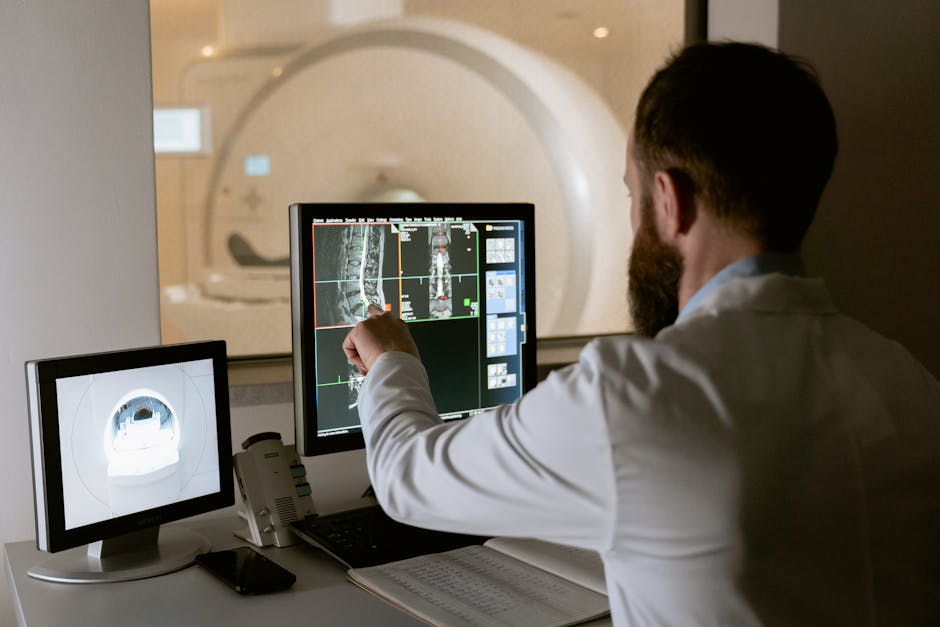
MRI is the gold standard for detection, with up to 94% accuracy. The FDA recommends an MRI three years after your initial surgery and every two years after that to catch ruptures early.
Ultrasound is another screening option. While less sensitive than an MRI, it can still provide valuable information. Regular screening is key to your breast health.
A physical exam during your consultation will help assess your symptoms and determine the best imaging test. You can find official guidance at the FDA’s information on implant rupture.
Surgical Treatment Options for a Rupture
Once a rupture is confirmed, surgery is the recommended treatment. The specific approach will depend on the rupture’s extent, your symptoms, and your personal goals.
Implant removal (explantation) is the definitive treatment. This often includes a capsulectomy—the removal of the surrounding scar tissue capsule—which is crucial for removing leaked silicone and hardened tissue.
In complex cases, such as an extracapsular rupture or concerns about BII, an en bloc capsulectomy may be recommended. This meticulous technique removes the implant and capsule together in one piece for the most thorough removal.
After removal, you have several options. You can have new implants placed during the same surgery. If you experience sagging, a breast lift (mastopexy) can reshape and lift the tissue. For a more natural approach, fat transfer uses your own fat to restore volume and contour.
When to Seek Medical Attention
While regular screening is key, contact a board-certified plastic surgeon immediately if you experience any of the following:
- Sudden, severe pain in your breast.
- Rapid swelling or dramatic change in breast shape.
- Signs of infection, including fever, persistent redness, warmth to the touch, or pus-like discharge.
- Any new, hard lumps in your breast or armpit.
Frequently Asked Questions about Implant Rupture
When you’re dealing with a suspected or confirmed implant rupture, it’s completely natural to have questions. We hear these concerns every day in our Newport Beach practice, and we want to make sure you have the information you need to make informed decisions about your health.
How long can a ruptured silicone implant be left in?
A ruptured silicone implant is not a medical emergency, but it shouldn’t be ignored. We recommend removal within a few months of diagnosis. The longer a ruptured implant remains, the higher the risk of complications like gel migration to lymph nodes and worsening capsular contracture (hardening and pain). This can make the eventual removal surgery more complex. Your body cannot absorb silicone gel, so it will remain as a foreign material, potentially causing chronic inflammation. Prompt removal is the best way to prevent future problems.
Are modern “gummy bear” implants less likely to rupture?
Yes, modern cohesive gel (“gummy bear”) implants have stronger shells and a thicker gel, resulting in lower rupture rates than older models. If a rupture occurs, the cohesive gel is less likely to migrate. However, no breast implant is a lifetime device. All implants can eventually rupture due to wear and tear over time. The risk increases the longer you have them. This is why regular monitoring and following FDA screening guidelines with MRI scans remain essential for catching any silicone implant rupture signs early.
Does insurance cover surgery for a ruptured implant?
Insurance coverage varies significantly. Many policies will cover the removal surgery if it’s deemed “medically necessary” due to complications like severe pain, infection, severe capsular contracture, or silicone migration. However, the replacement of implants is almost always considered a cosmetic procedure and is not covered. Similarly, routine MRI screenings for asymptomatic patients are often not covered. It is essential to contact your insurance provider directly to understand your specific policy. Our team in Newport Beach can provide the necessary medical documentation to assist with your insurance claim.
Conclusion: Taking Control of Your Breast Health
Understanding silicone implant rupture signs empowers you to protect your health. While a potential rupture can feel overwhelming, you are not alone and effective solutions exist. Modern diagnostics can identify ruptures, and advanced surgical techniques can safely resolve the issue and help you achieve your desired outcome.
The key is not to wait. If you notice any changes in your breasts—such as firmness, asymmetry, lumps, pain, or systemic symptoms—schedule a consultation with a board-certified plastic surgeon specializing in revision surgery. Early detection is crucial for minimizing complications.

For those in or near Newport Beach, CA, my team at OC Breast Surgery is here to help. With over three decades specializing in breast revision, we provide compassionate, expert care for implant complications. Your peace of mind is our priority.
If you have concerns or are experiencing silicone implant rupture signs, please reach out. We will provide a thorough evaluation and a personalized treatment plan. To learn more, read The Definitive Guide to Breast Implant Removal and schedule a consultation when you are ready. We will provide the expert care you need to move forward with confidence.