
Breast Revision Surgery Capsular Contracture: Top Fix 2024
Breast revision surgery capsular contracture is a significant concern for many women who have undergone breast augmentation. If you’re experiencing tightness or discomfort around your implants or have noticed a change in their shape or position, you might be dealing with this common complication. Here’s a quick rundown:
- Capsular Contracture: It’s the body’s reaction to breast implants, leading to an envelope of scar tissue that tightens and distorts the implant.
- Signs to Watch For: Firmness, pain, or an unnatural shape in the breast area.
- Treatment Options: Surgery options at OC Breast Surgery can help, focusing on both comfort and appearance.
At OC Breast Surgery, we’re committed to resolving these issues and helping you regain confidence in your appearance. My name is Dr. Mark Anton, and with over 33 years of experience, particularly in breast revision surgery capsular contracture, I’m dedicated to educating and guiding patients through their surgical journey. Let’s explore how to effectively address and treat capsular contracture to achieve natural-looking results.
Relevant articles related to breast revision surgery capsular contracture:
– average cost of breast revision surgery
– breast revision surgery recovery time
– breast augmentation scar revision surgery
What is Capsular Contracture?
Capsular contracture occurs when the scar tissue that naturally forms around a breast implant begins to tighten. This tightening can cause discomfort and alter the appearance of the breast.
Scar Tissue Formation
When any foreign object, like a breast implant, is placed in the body, scar tissue forms around it. This is the body’s normal response to protect itself. In the case of breast implants, this scar tissue is known as a capsule.
In most cases, the capsule is thin and flexible, allowing the implant to move naturally with the body. However, problems arise when this capsule becomes abnormally thick and hard, squeezing the implant.

Symptoms and Discomfort
Capsular contracture can lead to a range of symptoms. These include:
- Tightness: The breast may feel unusually tight or firm.
- Pain: Some women experience discomfort or pain in the breast.
- Aesthetic Changes: The breast may look distorted or misshaped, as the tightening scar tissue can push the implant out of its original position.

Aesthetic Concerns
For many women, the aesthetic changes caused by capsular contracture can be distressing. It can affect the symmetry and natural look of the breasts, which is often one of the primary goals of breast augmentation.
Understanding the Impact
Capsular contracture is not just a physical issue. It can have emotional and psychological effects, impacting a woman’s self-esteem and confidence. Recognizing the symptoms early and seeking consultation can help manage these concerns effectively.
If you suspect you have capsular contracture, it’s crucial to talk to a specialist who can provide a thorough evaluation and discuss potential treatments. At OC Breast Surgery, we offer personalized care to address both the functional and aesthetic aspects of this condition.
Causes of Capsular Contracture
Understanding the causes of capsular contracture is key to both preventing and treating this condition. Several factors contribute to the development of capsular contracture, including genetics, bacterial contamination, immune response, micro-infection, and the biofilm theory. Let’s explore each of these factors in detail.
Genetics
Genetics can play a significant role in the likelihood of developing capsular contracture. If you have a family history of autoimmune diseases or relatives who tend to develop thick scar tissue, your risk might be slightly higher. However, predicting who will develop capsular contracture based on genetics alone is still not possible.
Bacterial Contamination
One of the leading theories behind capsular contracture is bacterial contamination. During surgery, bacteria can be introduced into the breast cavity, potentially leading to complications. While operating rooms are sterile environments, some bacteria, especially staph, can be present on the skin naturally. This contamination isn’t necessarily due to poor hygiene but can occur because some people naturally carry staph bacteria on their skin.
Immune Response
The body’s immune response can also contribute to capsular contracture. When the immune system detects what it perceives as a threat, like a breast implant, it may respond by creating more scar tissue. This is the body’s way of protecting itself, but it can lead to the hardening of the capsule around the implant.
Micro-Infection
Micro-infections are low-grade infections that may not produce typical symptoms like fever. These infections can cause the body to produce excess fibrous tissue, leading to capsular contracture. The presence of bacteria, even in small amounts, can trigger this response and result in the thickening of the scar tissue.
Biofilm Theory
The biofilm theory suggests that a thin layer of bacteria, known as biofilm, can form around the implant. This biofilm can cause a chronic, low-grade infection, prompting the body to produce more scar tissue. A study involving pigs showed that those with staph bacteria on their skin had a higher likelihood of developing capsular contracture after receiving silicone implants. This evidence supports the idea that even minor bacterial presence can lead to significant issues.
While these factors can increase the risk of capsular contracture, remember that the condition is treatable. If you experience symptoms or have concerns, reach out to a specialist for a comprehensive evaluation and treatment options. At OC Breast Surgery, we are committed to providing expert care to address and manage capsular contracture effectively.
Grades of Capsular Contracture
Capsular contracture can vary in its severity, and understanding the different grades is crucial for both diagnosis and treatment. The grading system helps doctors assess how much the scar tissue has affected the breast implant and surrounding tissue. Here’s a breakdown of the four grades:
Grade I
In Grade I, the breast feels natural and looks normal. The scar tissue has formed a soft, thin capsule around the implant, which is expected and typical. This grade usually doesn’t cause any discomfort or aesthetic issues.
Grade II
Grade II contracture presents a breast that feels slightly firm but still looks normal. While there might be some firmness, it typically doesn’t cause pain or significant changes in appearance. Some patients might notice a slight difference in feel compared to their natural breast tissue.
Grade III
With Grade III, the breast appears more firm and starts to look abnormal. The capsule has thickened, causing the implant to feel hard, and the shape of the breast may look altered. This can be concerning for patients as it affects both comfort and aesthetics.
Grade IV
Grade IV is the most severe form of capsular contracture. The breast becomes hard, painful, and visibly distorted. Patients often experience significant discomfort, and the breast may look very unnatural. This grade usually requires surgical intervention to relieve symptoms and improve appearance.
“There are many women who have a mild capsule that does not have a significant impact on their quality of life,” explains Dr. Anita Kulkarni. “However, a small subset of women will go on to develop pain or recurrent capsular contracture after capsulectomy and implant replacement.”
The progression from Grade I to IV can vary greatly among individuals. Some might only ever experience Grade I or II, while others could progress to more severe grades. If you notice changes in your breast implants’ feel or appearance, consult with a specialist. Early intervention can make a significant difference in managing capsular contracture effectively.

Recognizing the symptoms and understanding the severity can help in making informed decisions about breast revision surgery capsular contracture. Always consult with your surgeon to discuss the best treatment options custom to your needs.
Next, we’ll explore the surgical solutions available for addressing capsular contracture.
Breast Revision Surgery for Capsular Contracture
When capsular contracture becomes severe, breast revision surgery is often the best course of action. This surgery aims to alleviate discomfort and restore the breast’s natural appearance. Let’s explore some key components of the procedure:
Capsulectomy
A capsulectomy involves removing the hardened scar tissue surrounding the implant. This step is crucial in relieving the tightness and discomfort caused by capsular contracture. The surgeon carefully excises the capsule to create a healthier environment for the new implant.
Capsulorrhaphy
In some cases, capsulorrhaphy is performed to repair and tighten the breast pocket. This technique helps in repositioning the implant and securing it in the desired location, reducing the likelihood of recurrence.
Implant Replacement
After removing the scar tissue, a new implant is typically placed. Surgeons may recommend using an implant with a different surface or type to minimize future complications. This step is essential for achieving the aesthetic goals of the surgery.
Use of Strattice
For patients with recurrent capsular contracture, a biological mesh called Strattice may be used. Strattice acts as an internal bra, providing additional support and reducing the risk of contracture by integrating with the patient’s tissue.
Keller Funnel and No-Touch Technique
To minimize bacterial contamination during surgery, the Keller Funnel is often employed. This device allows the implant to be inserted without touching the skin, reducing the risk of infection—a potential cause of capsular contracture. The no-touch technique is a critical component of maintaining sterility and ensuring the best possible outcome.
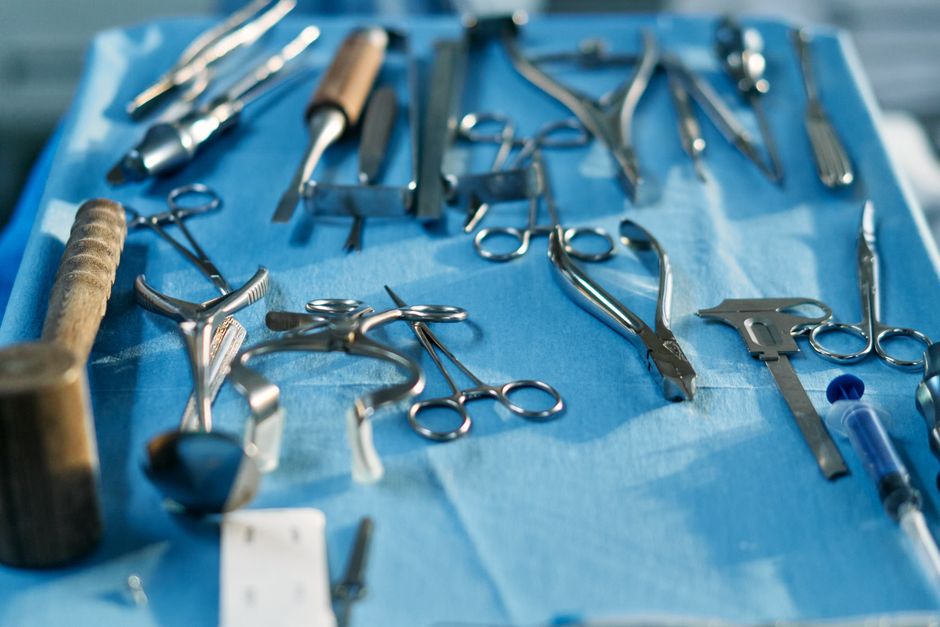
Surgical Expertise
Choosing a surgeon experienced in breast revision surgery is vital. The procedure’s success largely depends on the surgeon’s skill and familiarity with the latest techniques, such as those mentioned above. At OC Breast Surgery, our experts are well-versed in these methods, ensuring high success rates and patient satisfaction.
Conclusion
Breast revision surgery capsular contracture is a highly effective solution for those experiencing severe symptoms. By understanding the procedure and choosing a skilled surgeon, patients can achieve relief from discomfort and regain confidence in their appearance.
Next, we will discuss preventative measures that can be taken during surgery to reduce the risk of capsular contracture.
Preventative Measures During Surgery
Preventing capsular contracture starts in the operating room. Surgeons use several techniques to lower the risk of this condition. Let’s explore these methods:
Sterility
Maintaining a sterile environment during surgery is crucial. Sterility helps prevent bacterial contamination, which can lead to capsular contracture. Surgeons carefully clean and prepare the surgical area to minimize infection risk.
Keller Funnel and No-Touch Technique
The Keller Funnel is a tool that allows for the insertion of breast implants without direct contact with the skin. This no-touch technique reduces the chance of bacteria transferring to the implant. By keeping the implant sterile, the risk of developing capsular contracture decreases significantly.
Antimicrobial Solutions
Before placing the implant, some surgeons bathe it in antimicrobial solutions. This extra step helps kill any bacteria present, offering another layer of protection against infection and subsequent capsular contracture.
Submuscular Placement
Placing the implant under the chest muscle, known as submuscular placement, can also reduce the risk of capsular contracture. This positioning offers more tissue coverage over the implant, which may lead to fewer complications compared to other placements.
These techniques are part of a comprehensive approach to minimizing the risk of capsular contracture during surgery. By combining these methods, surgeons aim to create the safest environment for breast augmentation and revision procedures.
Next, we’ll explore postoperative care and prevention strategies that can further reduce the risk of capsular contracture.
Postoperative Care and Prevention
After surgery, taking care of your breast implants is essential to prevent capsular contracture. Here are some key strategies:
Breast Self-Massage
Regular breast self-massage is a simple yet effective way to keep the capsule around the implant soft and pliable. Gentle massaging helps maintain the flexibility of the tissue, which can reduce the risk of it hardening. Most surgeons recommend doing this daily to ensure long-term benefits.
Aspen Multi-Energy Therapy
For those already experiencing capsular contracture, Aspen multi-energy therapy is a non-invasive treatment option. Using a device called the Aspen harmonizer, this therapy delivers ultrasound waves to the breast tissue. These waves help promote healthy collagen growth, making the area more elastic and reducing the tightness often felt with capsular contracture. Aspen therapy is typically combined with antibiotics for better results.
Antibiotics
Taking antibiotics as prescribed is crucial for preventing infections that can lead to capsular contracture. These medications help eliminate any bacteria that might be present, reducing the chance of complications. It’s important to follow your surgeon’s instructions regarding antibiotics closely.
Regular Check-Ups
Regular check-ups with your plastic surgeon are vital for monitoring the condition of your implants. These visits can help detect any early signs of capsular contracture or other issues, allowing for prompt treatment. Most surgeons suggest follow-up appointments four to six weeks after surgery and then annually.
By incorporating these postoperative care strategies, you can significantly lower the risk of developing capsular contracture. Next, we’ll address some common questions about breast revision surgery for capsular contracture.
Frequently Asked Questions about Breast Revision Surgery Capsular Contracture
What is the success rate of capsular contracture surgery?
The success rate of breast revision surgery capsular contracture is generally high when performed by experienced surgeons. According to research, the majority of patients experience significant relief from symptoms and improved aesthetic outcomes. However, the exact success rate can vary based on factors like the severity of the contracture, the techniques used, and individual patient characteristics. It’s crucial to consult with a qualified surgeon to discuss your specific case and expected outcomes.
What is the best way to fix capsular contracture?
The best way to fix capsular contracture often involves a combination of surgical and preventive measures. Capsulectomy, the removal of the scar tissue capsule, is a common surgical approach. Surgeons may also use capsulorrhaphy, which involves tightening the capsule, and replace the implant to prevent recurrence. Techniques like using the Keller Funnel for a no-touch insertion can help reduce the risk of future contracture. For some patients, incorporating a material like Strattice around the implant may also be beneficial to minimize recurrence.
What is capsular revision?
Capsular revision is a surgical procedure aimed at addressing issues related to capsular contracture. It involves modifying the scar tissue capsule surrounding the breast implant. This can include removing part or all of the capsule (capsulectomy) or adjusting its shape (capsulorrhaphy). The goal is to alleviate symptoms like pain and abnormal breast appearance, while also improving the overall aesthetic result. Capsular revision often includes replacing the implant and using techniques to reduce the risk of recurrence, ensuring a more natural and comfortable outcome.
Conclusion
At OC Breast Surgery, we’re committed to helping you achieve the beautiful, natural-looking results you desire. Led by Dr. Mark Anton, our specialists in Newport Beach, California, have extensive expertise in breast revision surgery capsular contracture. We understand the unique challenges and concerns that come with correcting complications from previous surgeries.
When you choose us, you’re opting for a personalized treatment plan that addresses your specific needs. Our approach involves a thorough consultation to understand your goals and concerns. We take the time to explain all available options and recommend the best course of action custom to your situation.
Our team employs advanced techniques and materials, such as the Keller Funnel and Strattice, to improve surgical outcomes and minimize the risk of future complications. We focus on both the medical and aesthetic aspects of your surgery to ensure you not only feel better but also have renewed confidence in your appearance.
If you’re ready to explore your options for breast revision surgery capsular contracture and achieve the results you’ve always wanted, we invite you to schedule a consultation with us. Let us guide you on your journey to improved self-esteem and satisfaction with your body.